2025 Graphic Design Trends: A Whimsical Journey Through Visual Delights

2025 Graphic Design Trends: A Whimsical Journey Through Visual Delights
Hello fellow art adventurers! As a creative soul forever captivated by the dance of colors, shapes, and ideas, I'm absolutely buzzing to share my insights into the 2025 graphic design trends. Forget the mundane, darling, because we're about to embark on a visual voyage where imagination knows no bounds! Get ready to be inspired as we explore the delightful and innovative trends that will shape the landscape of graphic design in the coming year. Prepare for a splash of the unexpected, a dash of the nostalgic, and a whole heap of creativity!
1. Embracing the Imperfect: The Wabi-Sabi Aesthetic

Oh, the beauty of imperfection! Wabi-Sabi, the Japanese philosophy that finds profound beauty in transience and imperfection, is making a grand entrance into the design world. Think rough textures, asymmetrical layouts, and handcrafted elements. It's about celebrating the beauty of flaws and finding authenticity in the seemingly unfinished. Ditch the sterile perfection and embrace the charm of the handmade. This trend speaks to a longing for the genuine and the human touch in an increasingly digital world.
How to incorporate it:
- Texture is Key: Use scanned textures like paper, fabric, or even concrete to add depth and a tactile feel to your designs.
- Asymmetrical Bliss: Experiment with off-center compositions and uneven spacing to create visual interest and a sense of organic flow.
- Handcrafted Touches: Incorporate hand-drawn illustrations, lettering, or watercolor washes to add a personal and unique touch.
2. The Rise of Maximalism: More is More (Sometimes!)

After years of minimalist dominance, maximalism is back with a vengeance! It's a joyous rebellion against the stark and the understated. Think bold colors, intricate patterns, and a delightful clash of styles. It's about expressing yourself fearlessly and embracing the beauty of abundance. However, the key to successful maximalism is careful curation. It's not about throwing everything at the wall; it's about creating a harmonious visual feast.
Tips for mastering maximalism:
- Color Palette Harmony: Choose a cohesive color palette to tie together the diverse elements of your design.
- Pattern Play: Mix and match different patterns, but ensure they complement each other in terms of scale and style.
- Visual Hierarchy is Crucial: Create a clear focal point to guide the viewer's eye through the visually rich composition.
3. The Allure of 3D: Depth and Dimension Unleashed
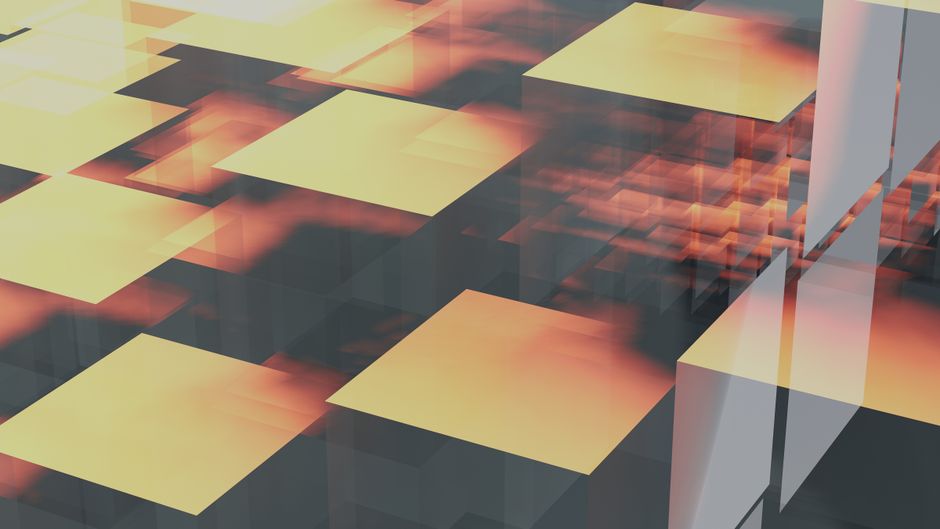
3D design continues to evolve and captivate. Expect to see even more sophisticated 3D elements integrated into graphic design projects, from website interfaces to branding materials. The illusion of depth and dimension adds a layer of realism and engagement that flat designs simply can't match. We're talking about more than just simple shadows; we're diving into complex textures, dynamic lighting, and immersive environments.
Where to use 3D:
- Product Visualization: Showcase your products in stunning detail with realistic 3D renderings.
- Website Design: Create immersive and interactive website experiences with 3D elements and animations.
- Branding and Packaging: Add a touch of sophistication and memorability to your branding and packaging designs.
4. Nostalgia Revival: A Trip Down Memory Lane
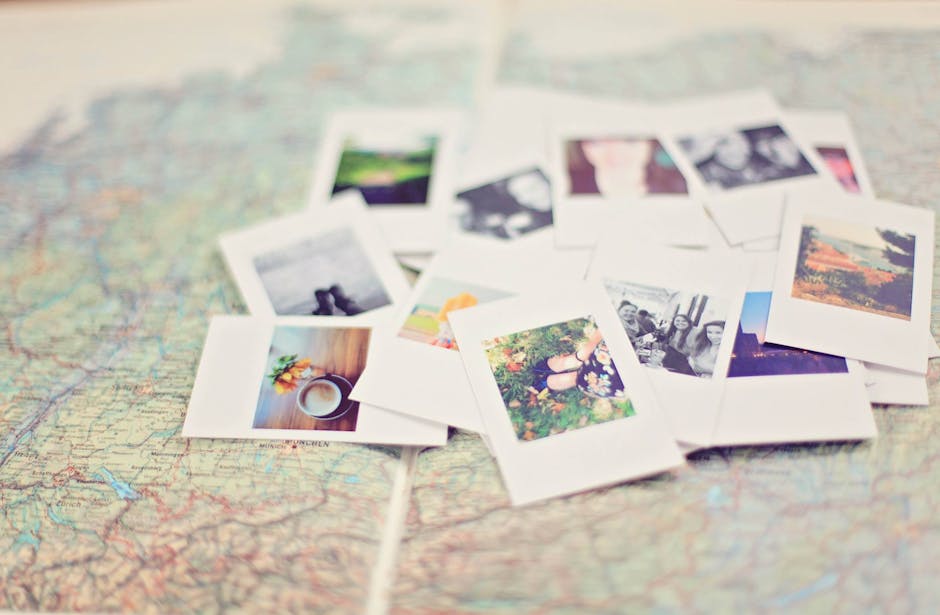
The past is always present, and in graphic design, nostalgia reigns supreme! Expect to see a resurgence of retro styles, fonts, and color palettes, particularly from the 70s, 80s, and 90s. This trend taps into our collective yearning for simpler times and evokes feelings of warmth and familiarity. Think groovy typography, psychedelic patterns, and vibrant neon colors. It's all about injecting a dose of vintage charm into modern designs.
Key nostalgic elements:
- Retro Fonts: Embrace fonts with a vintage feel, such as script fonts, bold serifs, and geometric sans-serifs.
- Color Palettes: Experiment with retro color combinations, such as avocado green and mustard yellow (70s), neon pink and teal (80s), or muted pastels (90s).
- Iconic Motifs: Incorporate retro icons and illustrations, such as cassette tapes, pixelated characters, and geometric shapes.
5. Expressive Typography: Words That Whisper and Shout
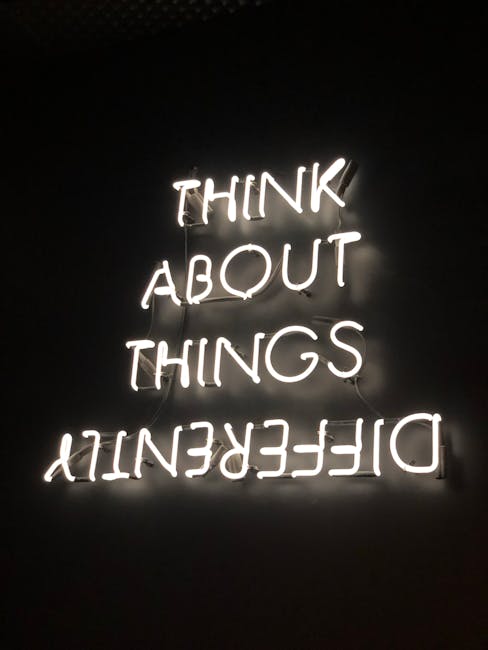
Typography is no longer just about conveying information; it's about making a statement! Expect to see more expressive and experimental typography in 2025. Think distorted fonts, custom lettering, and dynamic text animations. Typography is becoming a central element of design, used to create visual interest and evoke emotion. It's all about pushing the boundaries and using type in unexpected and creative ways.
How to make type talk:
- Distorted Fonts: Experiment with stretching, skewing, and warping fonts to create a sense of movement and dynamism.
- Custom Lettering: Commission a custom lettering artist to create a unique and personalized typeface for your brand.
- Text Animations: Add subtle animations to your text to draw attention and create a memorable experience.
6. The Power of Gradients: Subtle Shifts and Bold Statements
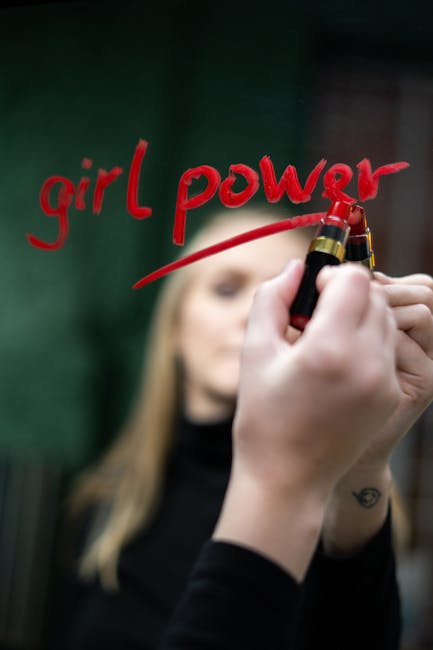
Gradients are back and more sophisticated than ever! Forget the simple linear gradients of the past; we're talking about complex color blends, radial gradients, and even animated gradients. Gradients add depth, dimension, and a touch of magic to any design. They can be used to create subtle background textures or bold focal points. It's all about harnessing the power of color transitions to create visually stunning effects.
Gradient inspiration:
- Complex Color Blends: Experiment with combining multiple colors to create rich and nuanced gradients.
- Radial Gradients: Use radial gradients to create a sense of depth and focus.
- Animated Gradients: Add subtle animations to your gradients to create a dynamic and eye-catching effect.
7. Inclusive Design: Design for Everyone
Accessibility is no longer an afterthought; it's a fundamental principle of good design. Expect to see a greater emphasis on inclusive design practices, ensuring that designs are accessible to people of all abilities. This includes considering color contrast, font sizes, and alternative text for images. It's about creating designs that are not only visually appealing but also usable and equitable for everyone.
Inclusive design considerations:
- Color Contrast: Ensure that there is sufficient contrast between text and background colors for readability.
- Font Sizes: Use font sizes that are large enough to be easily read by people with visual impairments.
- Alternative Text: Provide descriptive alternative text for all images so that they can be understood by screen readers.
8. Sustainable Design: Eco-Consciousness Takes Center Stage

As we become increasingly aware of our environmental impact, sustainable design is becoming more important than ever. This includes using recycled materials, minimizing waste, and promoting eco-friendly practices. In graphic design, this translates to using sustainable inks, designing for minimal packaging, and promoting digital-first solutions. It's about making conscious choices that minimize our impact on the planet.
Sustainable design practices:
- Recycled Materials: Use recycled paper, inks, and packaging materials whenever possible.
- Minimalist Packaging: Design packaging that is both functional and minimal, reducing waste and environmental impact.
- Digital-First Solutions: Promote digital alternatives to printed materials, such as e-books, online brochures, and digital marketing campaigns.
9. Organic Shapes and Fluid Forms: A Return to Nature
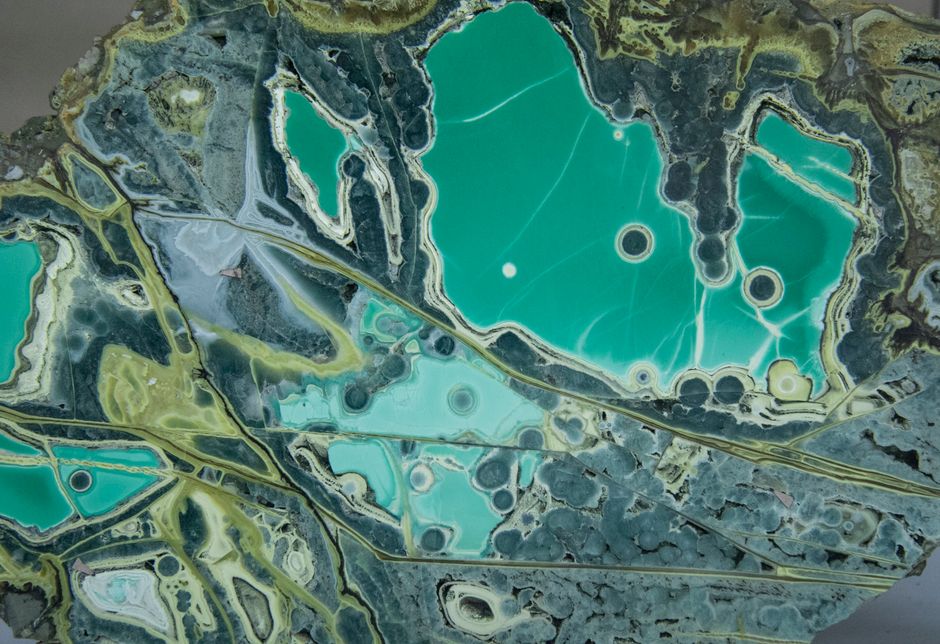
Say goodbye to rigid geometric shapes and hello to organic forms and fluid lines! This trend draws inspiration from nature, embracing the beauty of curves, textures, and imperfections. Think flowing illustrations, wavy backgrounds, and asymmetrical layouts. It's about creating designs that feel natural, harmonious, and inviting.
Embrace the organic:
- Flowing Illustrations: Incorporate hand-drawn illustrations with flowing lines and organic shapes.
- Wavy Backgrounds: Use wavy patterns and textures to create a sense of movement and fluidity.
- Asymmetrical Layouts: Experiment with asymmetrical layouts to create a more natural and dynamic composition.
10. Anti-Design: Breaking the Rules and Defying Expectations
Anti-design is a rebellious movement that challenges conventional design principles. It embraces asymmetry, clashing colors, and unconventional typography. It's about breaking the rules and creating designs that are intentionally jarring and provocative. While not for the faint of heart, anti-design can be a powerful way to stand out and make a statement.
Anti-design elements:
- Asymmetry: Embrace unbalanced layouts and unconventional spacing.
- Clashing Colors: Experiment with unexpected and sometimes jarring color combinations.
- Unconventional Typography: Use distorted fonts, oversized text, and inconsistent typography styles.
11. Kinetic Typography: Words in Motion

Kinetic typography brings words to life through animation and movement. It's not just about text appearing; it's about how it dances, transforms, and interacts with the viewer. This trend is perfect for grabbing attention and adding a dynamic layer to any design, making it ideal for website headers, social media content, and even video intros.
12. Augmented Reality (AR) Integration: Blurring the Lines
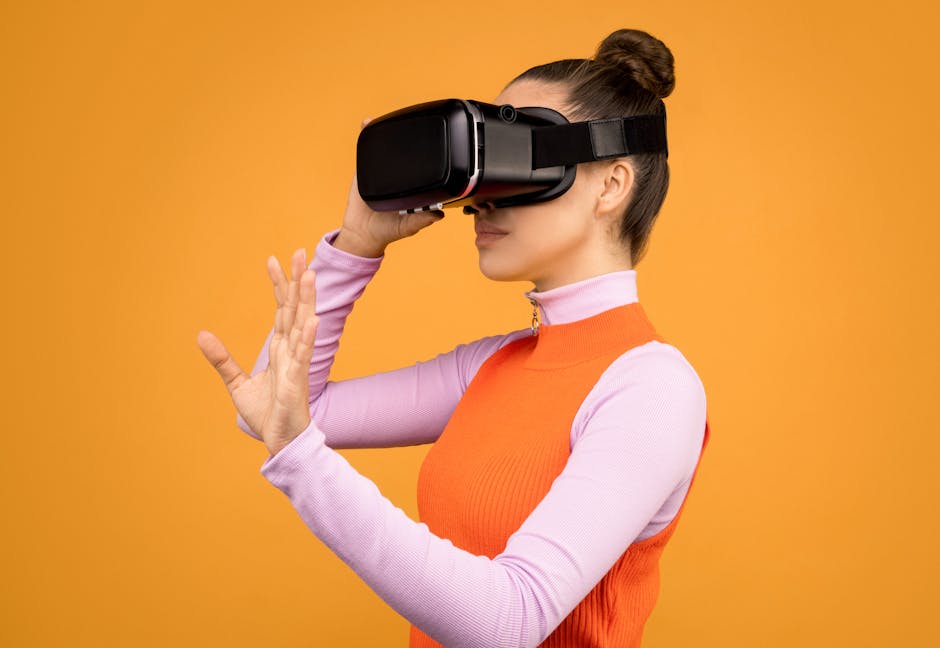
Graphic design is leaping off the screen and into the real world with Augmented Reality (AR). Imagine scanning a product label with your phone and instantly seeing a 3D model pop up, or a poster that comes alive with interactive animations. AR integration offers immersive experiences that bridge the gap between digital and physical spaces, creating engaging and memorable brand interactions.
13. Data Visualization Elevated: Storytelling Through Information
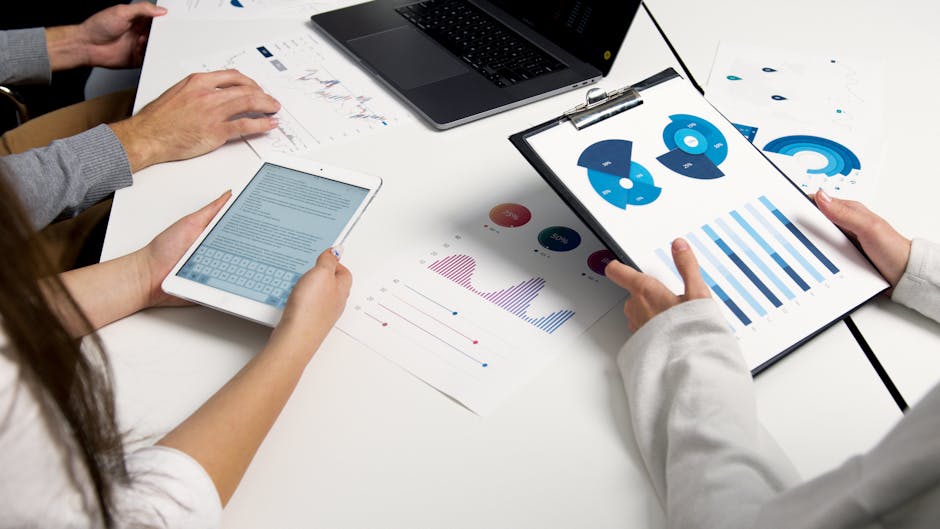
Data visualization isn't just about charts and graphs anymore; it's about crafting compelling narratives through information. In 2025, expect to see more creative and engaging data visualizations that use color, typography, and illustration to transform complex datasets into easily digestible and visually stunning stories. Think interactive infographics and dynamic dashboards that captivate and inform.
14. Brutalism Reimagined: Raw and Honest Aesthetics
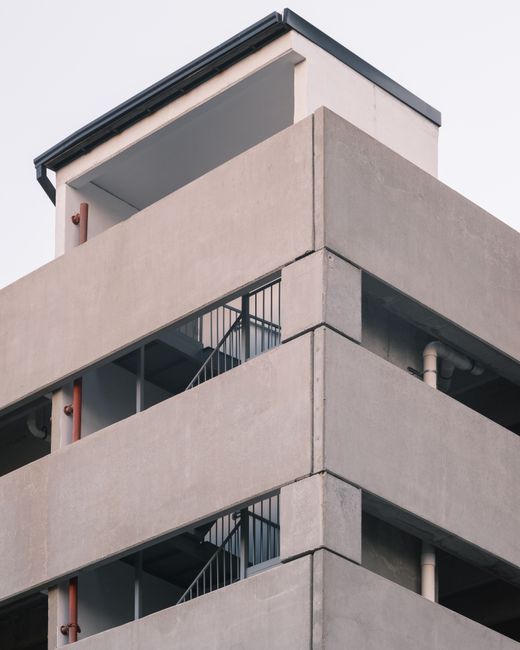
Brutalism, known for its raw, unpolished, and often stark aesthetic, is getting a modern makeover. This trend embraces bold typography, simple layouts, and a focus on functionality, but with a refined touch. Expect to see clean lines, ample white space, and a deliberate emphasis on content over ornamentation, creating designs that are both powerful and aesthetically pleasing.
15. Voice User Interface (VUI) Design: Visuals for the Spoken Word

As voice assistants become increasingly integrated into our lives, the need for visual cues to complement voice interactions grows. VUI design focuses on creating visual interfaces that enhance the user experience of voice-controlled applications and devices. This includes designing intuitive icons, clear visual feedback, and seamless transitions between voice and visual elements.
16. Generative AI in Design: Collaboration with Machines
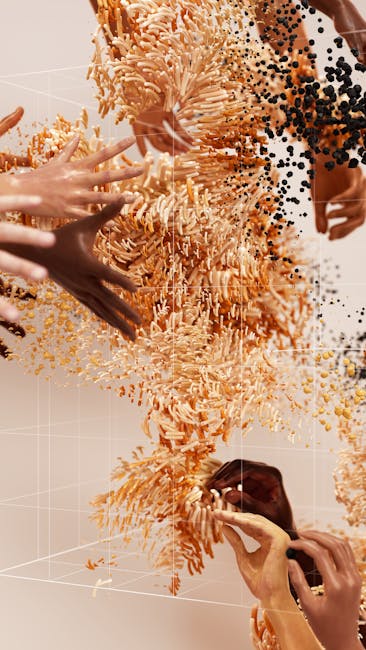
Artificial intelligence is no longer a futuristic concept; it's a design tool. Generative AI algorithms can assist designers in creating unique patterns, generating variations of designs, and even suggesting creative solutions based on specified parameters. This trend is all about embracing AI as a collaborative partner in the design process, opening up new possibilities for creativity and innovation.
17. Moiré Patterns: Visual Vibrations

Moiré patterns, created by overlaying similar patterns at slightly different angles, are making a comeback. These patterns create a sense of visual vibration and depth, adding a dynamic and eye-catching element to designs. Expect to see moiré patterns used in backgrounds, textures, and even typography to create a unique and memorable visual impact.
18. Psychedelic Art Renaissance: Groovy, Baby!

Get ready to trip out! Psychedelic art is experiencing a resurgence, bringing back its signature vibrant colors, swirling patterns, and mind-bending optical illusions. This trend is perfect for brands that want to evoke a sense of nostalgia, creativity, and free-spiritedness. Think lava lamps, swirling galaxies, and a whole lot of visual fun.
19. Glassmorphism: Transparency and Depth
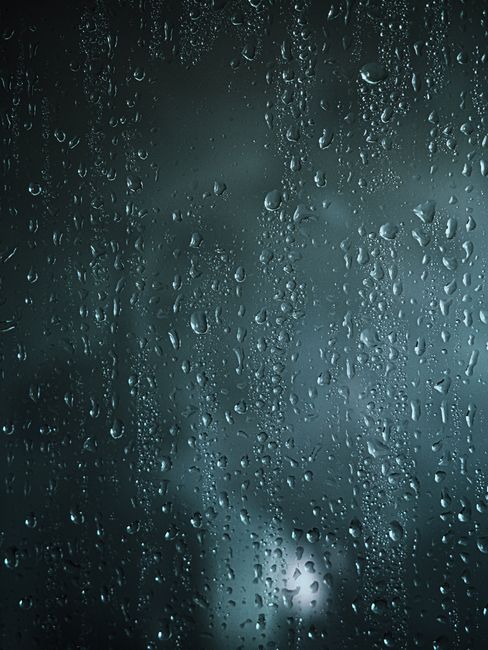
Glassmorphism continues to evolve, offering a sleek and modern aesthetic characterized by transparency, blur, and subtle layering. This trend creates a sense of depth and dimensionality, making elements appear as if they are floating on a glass surface. Expect to see glassmorphism used in UI design, website layouts, and even branding materials to create a sophisticated and elegant look.
20. Animated Illustrations: Breathing Life into Visuals
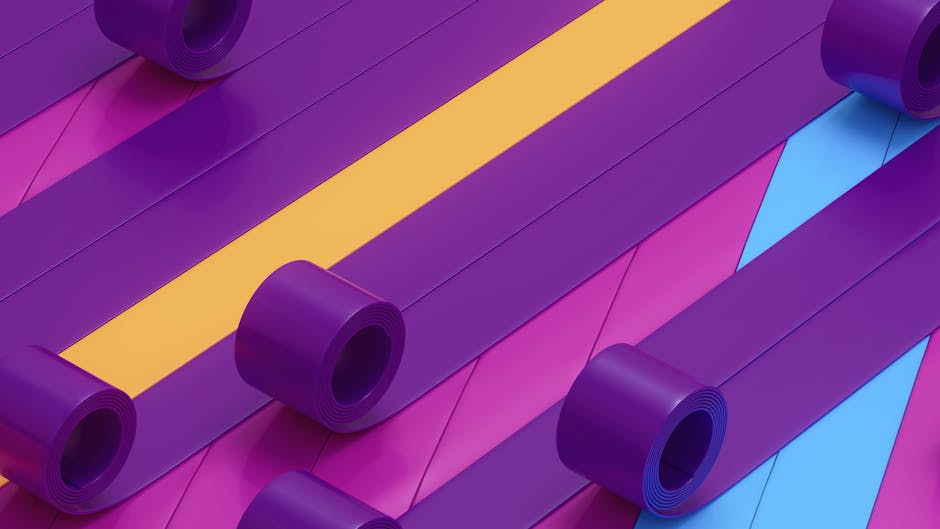
Static illustrations are so last year! In 2025, animated illustrations will reign supreme, adding movement, personality, and a touch of whimsy to designs. Think subtle animations that bring characters to life, interactive illustrations that respond to user input, and dynamic visuals that tell stories in a captivating way. This trend is perfect for grabbing attention and creating memorable brand experiences.
So, there you have it, my dears – a glimpse into the enchanting world of 2025 graphic design trends! Remember, the most important thing is to let your creativity flow, embrace experimentation, and never be afraid to break the rules. Happy designing, and may your visual adventures be filled with wonder and joy!
Post a Comment