50 Digital Art Tips in 5 Minutes (or a Little Longer, Let's Be Real!)
50 Digital Art Tips in 5 Minutes (or a Little Longer, Let's Be Real!)
Hello, fellow creatives! Ever feel like you're staring at a blank digital canvas, a universe of possibilities blinking back at you? Well, grab your stylus, take a deep breath, and let's dive into a whirlwind of 50 digital art tips to ignite your imagination! Think of this as your express ticket to art-making nirvana, a rapid-fire burst of inspiration to fuel your next masterpiece. Ready? Let's go!
First, let's get something straight: there are no rules! Art is about exploration, expression, and a whole lot of joyous experimentation. These tips are merely guiding lights, little sparks to illuminate your path. So, feel free to bend them, break them, and mold them to your own unique style.
Fundamentals First: Mastering the Basics

Even in the digital realm, the fundamentals reign supreme. A solid foundation will elevate your art to new heights. Don't skip these essentials!
- Understand Anatomy: Knowing the underlying structure of your subjects – be it human, animal, or fantastical creature – is crucial. Even stylized art benefits from anatomical awareness.
- Master Perspective: Learn the rules of perspective, then learn when to break them! Understanding how objects recede into space adds depth and realism.
- Embrace Color Theory: Color is the lifeblood of art. Explore color harmonies, complementary colors, and the emotional impact of different hues.
- Value is Key: Value refers to the lightness or darkness of a color. Mastering value creates contrast and defines form. Practice creating value scales.
- Practice Gesture Drawing: Capture the essence of a pose with quick, fluid lines. This helps you understand movement and energy.
- Study Composition: Learn about the rule of thirds, leading lines, and other compositional techniques to create visually appealing and balanced artworks.
Software Savvy: Tools of the Trade

Your software is your digital studio. Knowing its ins and outs will unlock its full potential. These tips will help you navigate the digital landscape with confidence.
- Learn Your Software: Don't just dabble! Explore all the features of your chosen program. Watch tutorials, read manuals, and experiment endlessly.
- Master Layers: Layers are your best friend! Use them for sketching, line art, coloring, and effects. They allow for non-destructive editing.
- Custom Brush Creation: Create your own custom brushes to achieve unique textures and effects. Experiment with different settings to find your perfect brush.
- Utilize Clipping Masks: Clipping masks confine your painting to a specific area. Perfect for adding details and shading without going outside the lines.
- Experiment with Blend Modes: Blend modes alter how layers interact. Experiment with different blend modes like multiply, screen, and overlay to create interesting effects.
- Learn Keyboard Shortcuts: Speed up your workflow by learning keyboard shortcuts. Every second saved is a moment gained for creativity!
- Save Regularly (and Incrementally!): Disasters happen. Save your work frequently and create incremental saves (e.g., Artwork_v1, Artwork_v2) to avoid losing progress.
- Utilize Reference Images: Don't be afraid to use reference images! They can help with anatomy, perspective, and detail.
Technique and Workflow: Painting Like a Pro
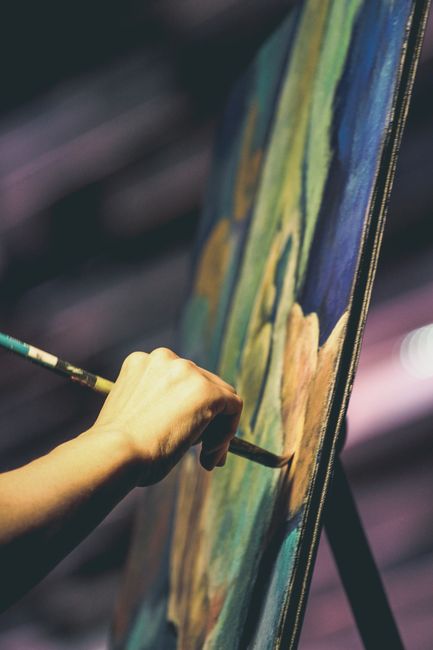
These are the little secrets that can transform your digital art from good to extraordinary. Let's unlock some magic!
- Start with a Sketch: A rough sketch is the foundation of any good artwork. It helps you plan your composition and work out the details.
- Use a Gray Base: Starting with a mid-gray background makes it easier to judge values and colors accurately.
- Paint from Dark to Light (or Light to Dark!): Experiment with both approaches to see which works best for you.
- Work on Different Scales: Zoom in for details, zoom out to check the overall composition.
- Use Soft and Hard Edges: Varying the sharpness of your edges creates visual interest and directs the viewer's eye.
- Apply Texture: Add texture using custom brushes, noise filters, or even scanned images.
- Don't Be Afraid to Undo: The beauty of digital art is the undo button! Don't be afraid to experiment and correct mistakes.
- Take Breaks: Step away from your work periodically to get a fresh perspective.
- Flip Your Canvas: Flipping the canvas horizontally can reveal errors in perspective and proportions.
- Use the Smudge Tool Wisely: The smudge tool can be used to blend colors, soften edges, and create painterly effects, but don't overdo it!
Inspiration and Ideas: Sparking Your Creativity

Sometimes, the hardest part is figuring out what to create. Here are some tips to overcome creative block and find endless inspiration.
- Keep a Sketchbook: Carry a sketchbook with you and jot down ideas, sketch observations, and doodle mindlessly.
- Visit Art Museums (Virtually or in Person!): Immerse yourself in the works of master artists. Study their techniques and compositions.
- Explore Online Art Communities: Connect with other artists, share your work, and get feedback. Platforms like ArtStation and DeviantArt are great resources.
- Experiment with Different Styles: Step outside your comfort zone and try different art styles, from realism to abstract.
- Look to Nature: Nature is a boundless source of inspiration. Observe the colors, textures, and patterns of the natural world.
- Listen to Music: Music can evoke emotions and inspire visual ideas. Create art inspired by your favorite songs.
- Watch Movies and TV Shows: Pay attention to the cinematography, color palettes, and character designs.
- Read Books: Books can transport you to different worlds and spark your imagination.
- Take Online Courses: Learn new skills and techniques from experienced artists through online courses and workshops.
- Embrace Challenges: Participate in art challenges like Inktober or Huevember to push your boundaries and develop consistency.
Mindset and Growth: Cultivating Your Inner Artist
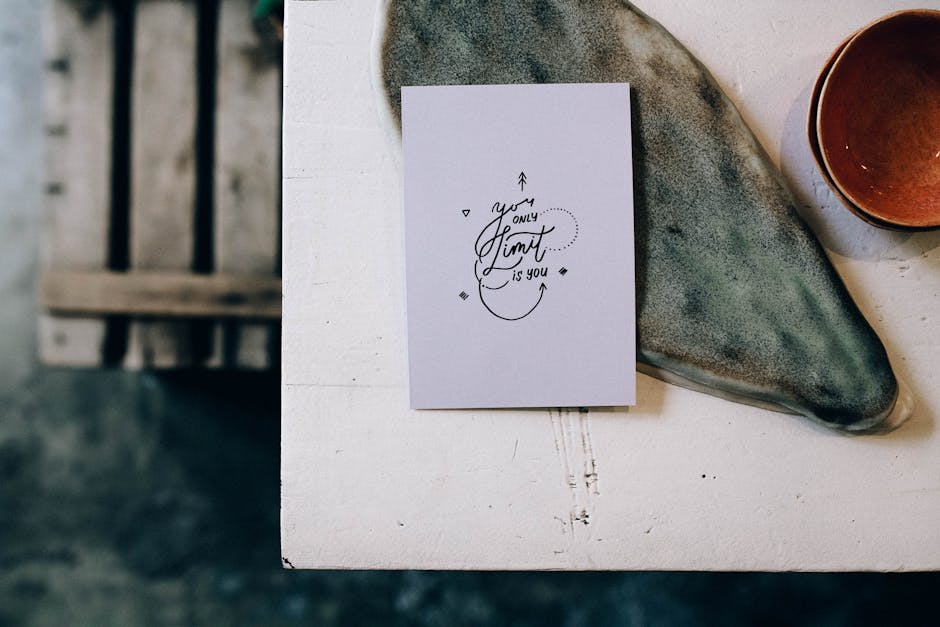
Art is a journey, not a destination. These tips will help you cultivate a positive mindset and grow as an artist.
- Practice Regularly: The more you practice, the better you'll become. Set aside time each day or week to dedicate to your art.
- Be Patient: Art takes time and effort. Don't get discouraged if you don't see results immediately.
- Embrace Mistakes: Mistakes are opportunities for learning and growth. Don't be afraid to experiment and make mistakes.
- Seek Feedback: Ask for constructive criticism from other artists. Be open to suggestions and use them to improve your work.
- Celebrate Your Progress: Acknowledge and celebrate your accomplishments, no matter how small.
- Don't Compare Yourself to Others: Focus on your own journey and progress. Everyone learns at their own pace.
- Stay Curious: Always be learning and exploring new techniques and ideas.
- Find Your Style: Experiment with different approaches until you discover a style that feels authentic to you.
- Be Authentic: Create art that reflects your personality and interests.
- Have Fun! Art should be enjoyable. If you're not having fun, you're doing it wrong.
Final Touches: Polishing Your Masterpiece

These are the finishing touches that will make your art shine. It's all about adding those subtle details that elevate your work.
- Add Subtle Details: Small details can make a big difference. Add highlights, shadows, and textures to bring your art to life.
- Adjust Color Balance: Fine-tune the color balance of your artwork to achieve the desired mood and atmosphere.
- Sharpen Your Image: A subtle sharpening filter can enhance the details and make your image pop.
- Add a Vignette: A vignette can help focus attention on the center of your artwork.
- Experiment with Filters: Experiment with different filters to add unique effects and enhance your artwork.
- Get a Second Opinion: Before you finalize your artwork, ask someone else for their feedback. A fresh pair of eyes can often spot things you missed.
And there you have it! 50 digital art tips to help you on your creative journey. Remember, these are just starting points. The real magic happens when you experiment, explore, and discover your own unique voice. So, go forth and create something amazing! Let your imagination run wild and never stop learning. The world needs your art!
Now, if you'll excuse me, I'm off to create something myself... inspired by, well, everything!
Post a Comment