Contemporary Art Explained: Unraveling the Now, One Brushstroke at a Time

Contemporary Art Explained: Unraveling the Now, One Brushstroke at a Time
Ah, contemporary art! Just the phrase itself can evoke a swirling mix of excitement, intrigue, and, let's be honest, sometimes a little bit of confusion. It's the art of now, the art that reflects our world, our challenges, and our dreams as they're unfolding. But what is it, really? Fear not, fellow art explorers! Let's dive in and unravel this fascinating world together, one vibrant canvas and thought-provoking sculpture at a time.
What Exactly IS Contemporary Art? A Definition Adventure

Defining contemporary art is a bit like trying to catch a cloud – it's constantly shifting and evolving. But at its heart, contemporary art is generally considered to be the art produced roughly from the 1960s or 1970s to the present day. That's a vast landscape! This period marks a significant departure from the more traditional art movements that preceded it. It's an era defined by experimentation, a breaking down of boundaries, and a relentless questioning of what art can be.
Think of it as a grand conversation – artists engaging with the present, responding to social, political, and cultural shifts, and using their creative voices to spark dialogue and provoke thought. There's no single style or medium that defines contemporary art; it encompasses painting, sculpture, photography, installation art, performance art, video art, digital art, and just about anything else you can imagine (and some things you probably can't!).
Key takeaway: Contemporary art is the art of our time, reflecting our world and challenging our perspectives.
Key Characteristics: Decoding the Contemporary Art Vibe

So, how do you recognize contemporary art when you see it? While there are no hard and fast rules (that's part of the fun!), here are some key characteristics that often pop up:
- Conceptual Emphasis: Forget simply trying to represent something realistically. Contemporary art often prioritizes the idea behind the artwork over its aesthetic appeal. The concept, the message, the underlying meaning – that's where the true value lies. Think of it as art with a purpose, art that wants to say something.
- Experimentation with Materials and Techniques: Artists are constantly pushing the boundaries of what's possible, experimenting with unconventional materials like found objects, recycled materials, industrial components, or even digital code. They might blend traditional techniques with cutting-edge technologies, creating truly unique and innovative works.
- Engagement with Social and Political Issues: Contemporary art frequently tackles pressing social and political issues such as identity, inequality, environmental concerns, globalization, and the impact of technology. It can be a powerful tool for raising awareness, sparking debate, and challenging the status quo.
- Blurring of Boundaries: The lines between different art forms are often blurred in contemporary art. You might see paintings that incorporate sculptural elements, sculptures that function as interactive installations, or performances that blend theater, dance, and visual art. It's all about breaking down traditional categories and embracing hybridity.
- Interactivity and Audience Participation: Many contemporary artists actively seek to engage the audience, inviting them to participate in the creation or interpretation of the artwork. This can take many forms, from interactive installations that respond to viewers' movements to participatory performances that rely on audience collaboration.
- Self-Referentiality: Sometimes, contemporary art is about… art itself! Artists might explore the nature of art, the history of art, or the role of the artist in society. It's a sort of meta-art, reflecting on its own existence and challenging conventional notions of what art should be.
Remember: These are just general trends, not strict requirements. The beauty of contemporary art is its diversity and its willingness to defy categorization.
Iconic Contemporary Artists: Meet the Mavericks!
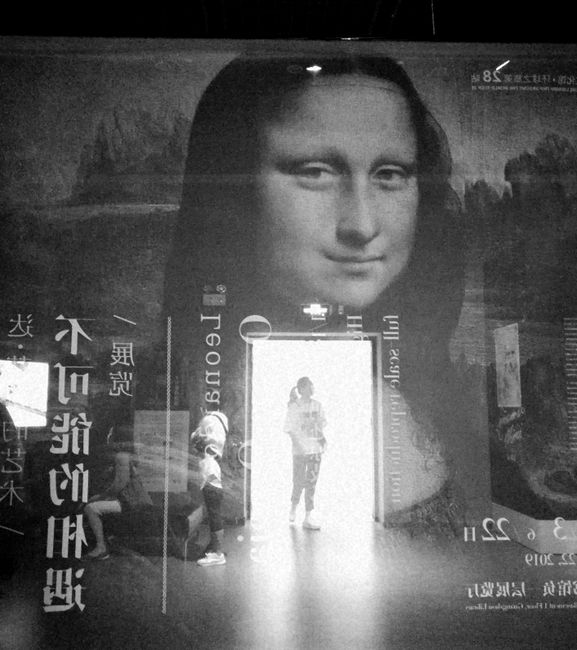
Now, let's meet some of the artists who have shaped and defined contemporary art. This is just a tiny glimpse into a vast and ever-expanding world, but these names are a great starting point for your exploration:
- Andy Warhol: The king of Pop Art! Warhol transformed everyday objects like soup cans and celebrity portraits into iconic works of art. He explored themes of consumerism, mass media, and celebrity culture, leaving an indelible mark on the art world. His silkscreen prints are instantly recognizable and continue to inspire artists today.
- Jeff Koons: Known for his large-scale sculptures of inflatable toys and kitsch objects, Koons pushes the boundaries of taste and challenges our perceptions of value. His work is often provocative and controversial, but it also raises important questions about the nature of art, consumerism, and the role of the artist in society.
- Yayoi Kusama: The queen of polka dots! Kusama's immersive installations and vibrant paintings are instantly recognizable. Her work explores themes of infinity, repetition, and self-obliteration, often creating a sense of wonder and awe. Her "Infinity Mirror Rooms" are a must-see!
- Marina Abramović: The grandmother of performance art. Abramović is known for her physically and emotionally demanding performances that explore themes of endurance, pain, and the relationship between artist and audience. Her work often pushes the limits of what is considered art and challenges our understanding of the human body and mind.
- Damien Hirst: Known for his provocative and often controversial works, such as a shark preserved in formaldehyde, Hirst explores themes of death, life, and mortality. His work is often visually striking and intellectually stimulating, prompting viewers to confront uncomfortable truths about the human condition.
- Ai Weiwei: A Chinese artist and activist, Ai Weiwei uses his art to address social and political issues, often criticizing the Chinese government and advocating for human rights. His work is powerful and thought-provoking, raising awareness about important issues and challenging injustice.
- Kara Walker: Walker is best known for her cut-paper silhouettes that explore themes of race, gender, and power in American history. Her work is often unsettling and challenging, forcing viewers to confront the legacy of slavery and racism in the United States.
Pro Tip: Explore these artists' works online, visit museums and galleries, and read about their lives and inspirations. The more you immerse yourself in their world, the deeper your understanding of contemporary art will become.
Why Contemporary Art Matters: More Than Just Pretty Pictures

Okay, so we know what contemporary art is, but why does it matter? Why should we care about these often strange and perplexing creations?
Here's the thing: Contemporary art is a mirror reflecting our world back at us. It captures the zeitgeist, the spirit of our times. It grapples with the complex issues that shape our lives, forcing us to confront uncomfortable truths and challenge our assumptions. It provides a platform for marginalized voices, amplifying perspectives that might otherwise be unheard.
Contemporary art isn't just about aesthetics; it's about ideas, dialogue, and social change. It encourages us to think critically, to question everything, and to see the world in new and different ways. It sparks conversations, ignites imaginations, and pushes the boundaries of what's possible.
Ultimately, contemporary art is a vital part of our culture. It helps us understand ourselves, our world, and our place in it.
Where to Experience Contemporary Art: Your Art Adventure Awaits!

Ready to dive in and experience contemporary art firsthand? Here are some great places to start:
- Museums: Many museums around the world have dedicated collections of contemporary art. Check out the Museum of Modern Art (MoMA) in New York, the Tate Modern in London, the Centre Pompidou in Paris, and the Mori Art Museum in Tokyo.
- Art Galleries: Explore local art galleries in your area. They often showcase emerging artists and offer a more intimate and accessible way to experience contemporary art.
- Art Fairs: Art fairs are large-scale events that bring together galleries and artists from around the world. They're a great place to discover new artists and see a wide range of contemporary art in one place. Think Art Basel, Frieze Art Fair, and the Armory Show.
- Online Resources: The internet is a treasure trove of information about contemporary art. Explore museum websites, online art galleries, and art blogs to discover new artists and learn more about different art movements. Artsy, Artnet, and Hyperallergic are great starting points.
- Public Art Installations: Keep an eye out for public art installations in your city. These artworks are often free and accessible to everyone, providing a great way to experience contemporary art in unexpected places.
Tips for Appreciating Contemporary Art: Unlock Your Inner Art Critic

Feeling a little intimidated by contemporary art? Don't worry! Here are some tips to help you appreciate it, even if you don't fully "understand" it:
- Do your research: Learn about the artist, the context in which the artwork was created, and the themes it explores. This will give you a deeper understanding of the artwork's meaning and significance.
- Read the wall text: Museums and galleries often provide information about the artwork on wall labels. Read this text carefully to learn about the artist's intentions and the context of the work.
- Ask questions: Don't be afraid to ask questions! Talk to museum staff, gallery owners, or other art enthusiasts about the artwork. They can provide valuable insights and perspectives.
- Trust your instincts: Pay attention to your own emotional response to the artwork. How does it make you feel? What thoughts does it provoke? There's no right or wrong answer.
- Don't be afraid to disagree: Not everyone likes every piece of contemporary art. It's okay to have your own opinions and preferences.
- Remember that it's okay not to "get it": Contemporary art is often challenging and complex. It's not always meant to be easily understood. Sometimes, the value lies in the questions it raises, rather than the answers it provides.
Contemporary Art: A Living, Breathing Conversation

Contemporary art is more than just paintings on walls or sculptures in parks. It's a living, breathing conversation, a dialogue between artists, viewers, and the world around us. It's a space for experimentation, innovation, and critical thinking. It's a reflection of our hopes, our fears, and our dreams.
So, embrace the challenge, open your mind, and let yourself be transported by the power of contemporary art. You might be surprised by what you discover.
Now go forth and explore! The art world awaits!
Post a Comment