Contemporary Art Explained: Unveiling the Soul of Now

Contemporary Art Explained: Unveiling the Soul of Now
Ah, contemporary art. The very phrase conjures images of… well, just about anything, doesn't it? A shark preserved in formaldehyde? A room full of balloons? A blank canvas selling for millions? It's a realm that can feel both exhilarating and utterly baffling. But fear not, dear reader! Let's embark on a journey together, peeling back the layers of contemporary art to reveal its beating heart, its essence, and its captivating story.
What Is Contemporary Art, Anyway? Defining the Ever-Evolving Beast

First things first: the definition. This, my friends, is where things get delightfully slippery. Unlike, say, Impressionism, which had a clear historical period and stylistic hallmarks, contemporary art is defined primarily by its timeframe. Generally speaking, it refers to art produced from the 1960s or 1970s to the present day. That's it! The rest is up for grabs. This broad definition reflects the incredible diversity and constant evolution of artistic expression in our modern world.
Think of it this way: art is a conversation, a dialogue between the artist, the artwork, and the viewer. Contemporary art is the latest chapter in that ongoing conversation, responding to, challenging, and reimagining the world around us.
Key Characteristics: A Kaleidoscope of Ideas

While a single definition may elude us, we can identify some key characteristics that frequently appear in contemporary art. These are not hard-and-fast rules, mind you, but rather recurring themes and approaches that help us understand the landscape:
- Conceptual Focus: Forget mere aesthetics! Contemporary art often prioritizes the idea behind the work. The visual appearance might be simple, even mundane, but the underlying concept can be profound, challenging, or deeply personal. Think about Tracey Emin's "My Bed" (1998) - a literal, unmade bed. The shock value isn't just about the mess; it's about vulnerability, mental health, and the unflinching portrayal of personal experience.
- Social and Political Commentary: Artists are often mirrors reflecting society back at itself, and contemporary art is no exception. Issues like identity, globalization, environmental concerns, and political injustice are frequently explored through a variety of mediums. Consider Banksy's street art, often using satire and subversive humor to critique societal norms and power structures.
- Breaking Boundaries and Challenging Conventions: Contemporary artists love to play with expectations. They experiment with new materials, techniques, and forms, pushing the boundaries of what art can be. This can involve blurring the lines between different art forms (e.g., performance art that incorporates elements of dance, theater, and visual art) or challenging traditional notions of beauty and skill.
- Embracing New Technologies: From digital art and video installations to interactive sculptures and artificial intelligence-generated pieces, contemporary art wholeheartedly embraces technology. This allows artists to explore new possibilities for creation, distribution, and audience engagement. Think of Refik Anadol's mesmerizing data sculptures that visualize complex information using algorithms and light.
- Personal and Autobiographical Expression: Many contemporary artists delve into their own personal experiences, exploring themes of identity, trauma, and self-discovery. This can result in deeply moving and relatable works that resonate with viewers on an emotional level.
- Interactivity and Audience Engagement: Contemporary art often seeks to involve the viewer more actively. This can range from interactive installations that respond to movement or sound to participatory projects that invite the public to contribute to the artwork itself. The goal is to create a more dynamic and meaningful experience for the audience.
Iconic Artists: Trailblazers of the Now

Now, let's meet some of the artists who have shaped the landscape of contemporary art. This is just a small sampling, of course, but it provides a glimpse into the breadth and diversity of this exciting field:
- Andy Warhol (1928-1987): The king of Pop Art! Warhol's iconic screen prints of celebrities and consumer products challenged notions of originality, authenticity, and the role of art in a mass-mediated society. His work remains incredibly influential, shaping our understanding of celebrity culture and consumerism.
- Jeff Koons (born 1955): Love him or hate him, Koons is undeniably a major figure in contemporary art. His large-scale, often whimsical sculptures, like "Balloon Dog," explore themes of kitsch, consumerism, and the relationship between art and popular culture. His work is known for its high production value and often provocative subject matter.
- Yayoi Kusama (born 1929): Known for her immersive installations, particularly her "Infinity Mirror Rooms," Kusama's work explores themes of repetition, obsession, and the cosmos. Her polka-dot motif has become instantly recognizable, and her art has captivated audiences worldwide with its immersive and visually stunning qualities.
- Damien Hirst (born 1965): Hirst is known for his provocative and often controversial works, including his formaldehyde sculptures of animals and his diamond-encrusted skull. His art explores themes of death, mortality, and the value of art in a capitalist society.
- Marina Abramović (born 1946): A pioneer of performance art, Abramović pushes the limits of physical and mental endurance in her groundbreaking performances. Her work explores themes of identity, vulnerability, and the relationship between the artist and the audience. Think of "The Artist is Present" (2010) at MoMA, where she sat silently, making eye contact with visitors for hours on end. Profoundly moving.
- Ai Weiwei (born 1957): A Chinese artist and activist, Ai Weiwei's work addresses issues of human rights, censorship, and political oppression. His art often incorporates traditional Chinese materials and techniques, while also incorporating contemporary themes and concerns. His powerful message resonates globally.
- Kara Walker (born 1969): Walker is known for her silhouette installations that explore themes of race, gender, and power. Her work often confronts difficult and uncomfortable subjects, challenging viewers to confront the legacy of slavery and racism in American history.
Navigating the Contemporary Art World: Tips for the Curious Mind

So, you're intrigued, perhaps even inspired! How do you begin to navigate the often-intimidating world of contemporary art? Here are a few tips to get you started:
- Visit Museums and Galleries: Immerse yourself! Explore local museums, galleries, and art spaces. Don't be afraid to ask questions of the gallery staff – they are usually thrilled to share their knowledge.
- Read Art Criticism and Reviews: Develop your own critical eye by reading reviews and articles about contemporary art. This will help you understand different perspectives and interpretations of artworks.
- Attend Artist Talks and Lectures: Hear artists speak about their work firsthand. This can provide valuable insights into their creative process and the ideas behind their art.
- Engage in Conversations: Talk to friends, family, and fellow art enthusiasts about your experiences and interpretations. Sharing your thoughts can deepen your understanding and appreciation of the art.
- Don't Be Afraid to Disagree: Art is subjective! It's perfectly okay to dislike a particular artwork or artist. The important thing is to engage with the art and form your own opinions.
- Trust Your Instincts: Ultimately, the most important thing is to connect with art on a personal level. What resonates with you? What makes you think, feel, or question? Trust your own instincts and allow yourself to be moved by the art you encounter.
Beyond the Canvas: The Expanding Universe of Contemporary Art
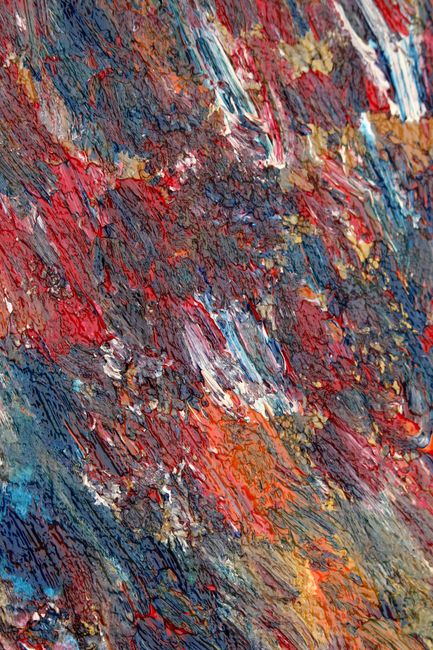
Contemporary art is not confined to traditional canvases or sculptures. It exists in a multitude of forms, constantly evolving and adapting to the world around us. Let's explore some of these exciting avenues:
- Installation Art: Immersive and often site-specific, installation art transforms entire spaces into artworks. Viewers are invited to step inside and experience the art from within.
- Performance Art: Live actions and events that are considered art. Performance art can be spontaneous, planned, or highly structured, and it often challenges the boundaries between art and life.
- Digital Art: Art created using digital technologies, such as computer graphics, animation, and interactive media. Digital art is constantly evolving, pushing the boundaries of what is possible in the digital realm.
- Street Art: Art created in public spaces, often without permission. Street art can be political, humorous, or simply decorative, and it provides a platform for artists to express themselves outside of traditional art institutions.
- Land Art: Art created in and using the natural landscape. Land art often involves large-scale interventions in the environment, and it explores the relationship between art and nature.
The beauty of contemporary art lies in its ability to surprise, challenge, and provoke. It's a reflection of our times, a mirror held up to society, and a constant exploration of the human condition. It's not always easy to understand, but it's always worth engaging with. So, go forth, explore, and let the soul of now ignite your imagination!
And remember, dear reader, art is not just about what you see; it's about how it makes you feel. Let the feelings guide you. Let the colors speak. Let the shapes whisper. And most importantly, let the art ignite your own creative spark.
Post a Comment