Creative Illustration Drawing Ideas: Sparking Joy in Little Artists
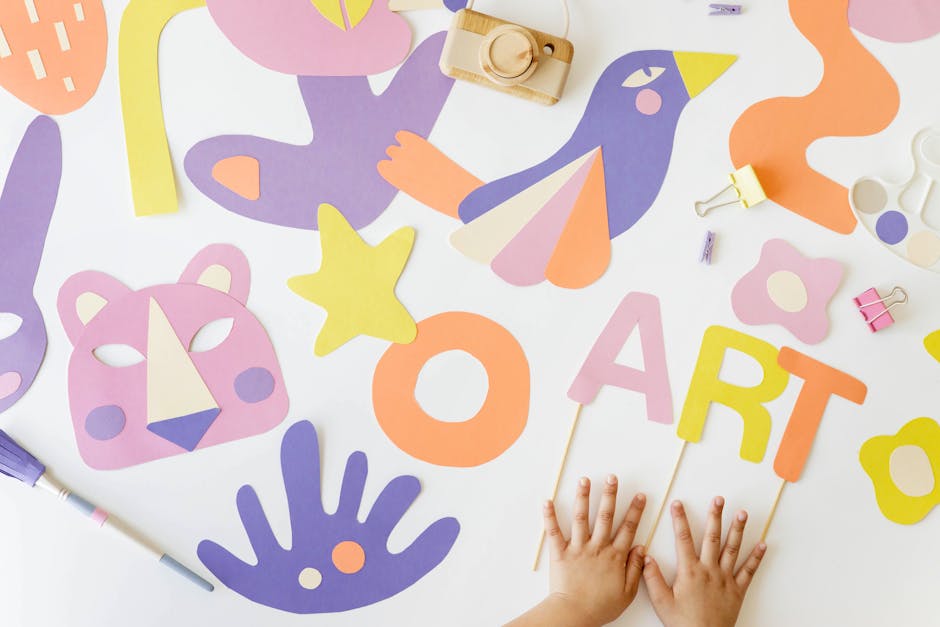
Creative Illustration Drawing Ideas: Sparking Joy in Little Artists
Hello fellow creators! Prepare to dive headfirst into a kaleidoscope of colors, textures, and imagination! Today, we're not just talking about drawing; we're embarking on a vibrant adventure into the world of creative illustration for kids. As someone who believes every doodle holds a story, I'm bursting to share some delightful ideas to keep your little artists busy, engaged, and utterly captivated. Forget screens for a while – let's unleash the power of pencils, paints, and boundless creativity!
This isn't just about filling time; it's about fostering a lifelong love of art, building confidence, and nurturing the unique perspective each child possesses. So, grab your art supplies, put on your imagination hats, and let's get started!
Why Illustration Matters: More Than Just Pretty Pictures
Before we jump into the fun stuff, let's briefly appreciate why illustration is so important for kids. It's more than just filling paper with shapes and colors.
a. Boosts Creativity and Imagination: Illustration encourages kids to think outside the box, invent new worlds, and bring their wildest ideas to life. b. Develops Fine Motor Skills: Holding pencils, brushes, and other art tools strengthens hand-eye coordination and fine motor skills essential for writing and other tasks. c. Enhances Visual Thinking: Learning to observe, interpret, and represent the world visually sharpens their visual thinking abilities, which are crucial for problem-solving and understanding complex concepts. d. Provides Emotional Outlet: Art is a fantastic way for kids to express their emotions, process their experiences, and find comfort and joy in creation. e. Builds Confidence: Completing an illustration, no matter how simple, gives kids a sense of accomplishment and pride in their work.
Illustration Ideas to Ignite Little Imaginations
Now for the exciting part! Here are some creative illustration drawing ideas designed to spark joy and keep your kids happily occupied:
1. Monster Mash-Up: Silly Creature Creations
Let's face it, monsters are inherently fascinating! Encourage your child to design their own unique monster mash-up. No rules apply!
Prompts: What if a monster had polka dots and butterfly wings? What would a monster who loves to bake cakes look like? What if a monster lived under the sea? Materials: Colored pencils, crayons, markers, googly eyes, pipe cleaners, pom-poms, construction paper. Tips: Encourage exaggeration and silliness. The more outrageous, the better! Talk about the monster's personality, what they like, and what they fear.
2. My Dream House: Architectural Adventures
Who hasn't dreamed of their perfect home? Let your child design their dream house, complete with wacky features and fantastical details.
Prompts: What special rooms would your dream house have? Would it be underwater, in the sky, or hidden in a forest? Would it be made of gingerbread or seashells? Materials: Rulers, pencils, colored pencils, markers, construction paper, stencils (optional). Tips: Encourage them to think about the layout, colors, and materials. Discuss architectural styles and inspire them with images of unique buildings.
3. Storybook Scenes: Bringing Tales to Life
Choose a favorite storybook and have your child illustrate a scene from it. This is a great way to develop their comprehension skills and visual storytelling abilities.
Prompts: What is the most exciting part of the story? Who are the main characters? What are they doing in this scene? Materials: Pencils, watercolors, crayons, markers, drawing paper. Tips: Discuss the setting, characters, and plot of the story. Encourage them to capture the emotions and atmosphere of the scene.
4. Nature's Notebook: Botanical Illustrations
Take a walk in nature and collect leaves, flowers, and other interesting natural objects. Have your child create botanical illustrations of their finds.
Prompts: What shapes, colors, and textures do you see? How can you capture the details of this leaf? What makes this flower unique? Materials: Pencils, colored pencils, watercolors, drawing paper, magnifying glass (optional). Tips: Encourage careful observation and attention to detail. Discuss the different parts of a plant and how they function.
5. Abstract Art Explorations: Color and Shape Sensations
Abstract art is all about expressing emotions and ideas through color, shape, and texture. Let your child experiment with different abstract art techniques.
Prompts: What colors make you feel happy? What shapes represent sadness? How can you create a sense of movement with lines? Materials: Acrylic paints, watercolors, oil pastels, construction paper, canvas, brushes, sponges. Tips: Encourage them to let go of expectations and simply experiment with the materials. Discuss different abstract art movements and artists.
6. Character Design Challenge: Create Your Own Superhero
Superheroes are always a hit! Challenge your child to design their own superhero, complete with a unique costume, powers, and backstory.
Prompts: What special powers does your superhero have? What does their costume look like? What is their mission? What are their weaknesses? Materials: Pencils, colored pencils, markers, construction paper, fabric scraps, felt, glitter. Tips: Encourage them to think about the superhero's personality and motivations. Discuss the different elements of superhero design, such as logos and symbols.
7. Comic Strip Capers: Storytelling in Panels
Introduce your child to the world of comic strips and have them create their own short comic strip story.
Prompts: What is the story about? Who are the characters? What happens in each panel? How can you use dialogue and sound effects to tell the story? Materials: Pencils, markers, drawing paper, rulers. Tips: Discuss the different elements of comic strip storytelling, such as panels, speech bubbles, and sound effects. Encourage them to use visual cues to convey emotions and actions.
8. DIY Greeting Cards: Handmade Happiness
Create personalized greeting cards for friends and family. This is a wonderful way to encourage creativity and thoughtfulness.
Prompts: What occasion are you celebrating? What message do you want to convey? What colors and images represent your feelings? Materials: Cardstock, construction paper, colored pencils, markers, glitter, stickers, stamps. Tips: Encourage them to personalize the cards with drawings, poems, or handwritten messages.
9. "I Spy" Illustrations: Hidden Objects Adventures
Create an "I Spy" illustration filled with hidden objects for others to find. This is a fun and engaging activity that encourages observation skills.
Prompts: What objects will you hide in your illustration? How will you make them difficult to find? How will you create a sense of depth and perspective? Materials: Pencils, colored pencils, markers, drawing paper. Tips: Encourage them to create a list of the hidden objects and their locations. Use shading and overlapping to make the objects more challenging to spot.
10. Collaborative Murals: Teamwork Makes the Dream Work
Engage multiple children in creating a collaborative mural. This is a fantastic way to foster teamwork, communication, and shared creativity.
Prompts: What theme will the mural be about? What colors and images will you use? How will you divide the work among the participants? Materials: Large sheets of paper or canvas, acrylic paints, brushes, markers, sponges. Tips: Encourage them to brainstorm ideas together and assign roles. Emphasize the importance of communication and compromise.
Kids Art and Craft Supplies: Essential Tools for Creative Expression
Having the right art supplies can make all the difference in sparking a child's creativity. Here's a list of essential tools to keep on hand:
Drawing Supplies: Pencils (various grades), colored pencils, crayons, markers (washable and permanent), charcoal sticks, erasers, sharpeners. Painting Supplies: Acrylic paints, watercolors, tempera paints, brushes (various sizes and shapes), palettes, water containers, sponges, rags. Paper: Drawing paper, construction paper, watercolor paper, cardstock, sketchbooks. Craft Supplies: Scissors, glue, tape, glitter, beads, sequins, pom-poms, pipe cleaners, felt, fabric scraps, googly eyes, yarn. Other: Rulers, stencils, stamps, cookie cutters, recyclables (boxes, bottles, tubes), aprons or smocks to protect clothing.
Ways to Keep Kids Busy and Engaged with Art
Beyond specific illustration ideas, here are some general tips to keep kids busy and engaged with art:
Create a Dedicated Art Space: Designate a specific area in your home for art projects. This could be a corner of a room, a table, or even a rolling cart. Provide Open-Ended Materials: Offer a variety of art materials and let your child explore them freely. Don't give too much direction; let their imagination guide them. Encourage Experimentation: Embrace mistakes and encourage your child to try new techniques and materials. There's no right or wrong way to create art. Display Their Artwork: Showcase your child's artwork prominently in your home. This will boost their confidence and make them feel proud of their creations. Visit Art Museums and Galleries: Expose your child to a variety of art styles and artists. Discuss what they see and encourage them to express their opinions. Read Art Books: Introduce your child to art history, techniques, and inspiring artists through age-appropriate art books. Join Art Classes or Workshops: Consider enrolling your child in art classes or workshops to learn new skills and techniques. Limit Screen Time: Encourage your child to spend less time on screens and more time engaging in creative activities. Make Art a Regular Part of Your Routine: Incorporate art into your child's daily or weekly schedule. Most Importantly: Have Fun! Art should be an enjoyable and stress-free experience. Let your child explore, experiment, and express themselves freely.
Kids Activities: Beyond Illustration
While illustration is a fantastic activity, remember to diversify your child's creative outlets. Here are some other engaging kids' activities to consider:
Sculpture with Clay or Playdough: Create three-dimensional objects and characters. Collage with Recycled Materials: Transform trash into treasure with creative collages. Nature Art Projects: Create art using natural materials found outdoors. Photography: Explore the world through the lens of a camera. Creative Writing: Write stories, poems, or scripts. Music and Dance: Express themselves through music and movement. Drama and Theatre: Act out stories and create characters. Cooking and Baking: Experiment with flavors and create delicious treats.
Embrace the Creative Mess!
Remember, art is often messy! Embrace the creative chaos and don't be afraid to let your child make mistakes. The most important thing is to foster their love of art and encourage their creative expression.
So there you have it – a treasure trove of creative illustration ideas and activities to keep your little artists busy, happy, and creatively fulfilled. Go forth, explore, and let the magic of art unfold! Happy creating!
Post a Comment