Every Art Movement Explained in 8 Minutes (Give or Take!)

Every Art Movement Explained in 8 Minutes (Give or Take!)
Hello, fellow art enthusiasts! Buckle up, buttercups, because we're about to embark on a whirlwind tour through the kaleidoscopic landscape of art history. Eight minutes might seem like a blink, but trust me, we'll hit the highlights, the head-turners, and the movements that shaped the way we see the world. Think of this as your express ticket to art appreciation enlightenment!
So, grab your metaphorical beret, and let's dive into the delicious chaos!
From Caves to Canvas: A Very Brief Pre-History Primer

Before we jump into "movements" with manifestos and monikers, let's acknowledge the primordial soup from whence all art springs. Think cave paintings – Lascaux, Altamira. These weren't just doodles. They were rituals, storytelling, perhaps even attempts to conjure a successful hunt. They're evidence of humanity's innate urge to create, to leave a mark, to communicate through visuals. This primal urge fuels every art movement that follows. Then consider the art of ancient civilizations. The Egyptians, Greeks, and Romans developed their own highly stylized and sophisticated artistic languages, influencing everything that came after. The geometric precision of Egyptian art, the idealized human forms of Greek sculpture, the realistic portraiture of Roman art – these are the foundations upon which Western art history is built.
Medieval Marvels: The Art of Faith and Ornamentation
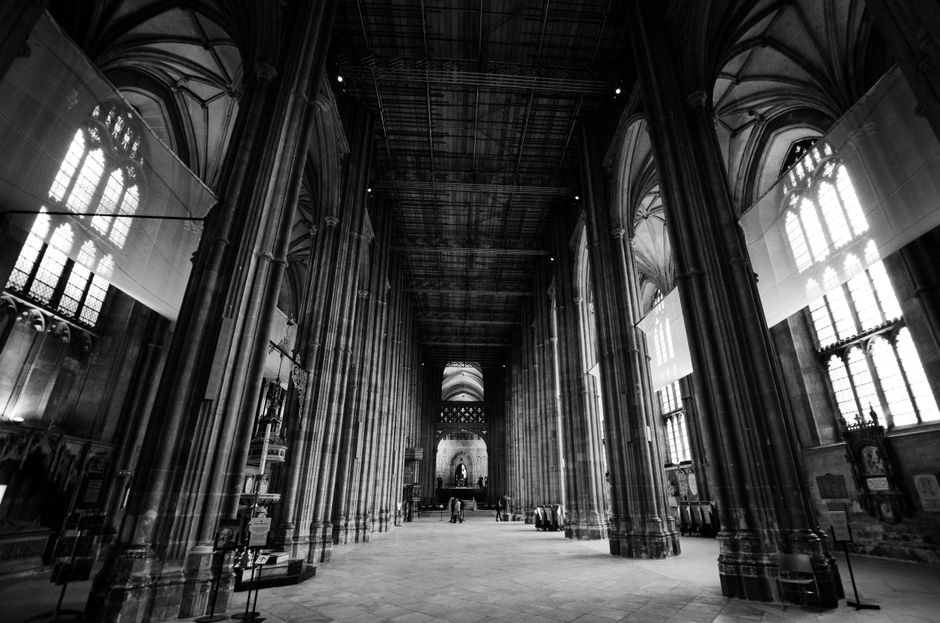
The Middle Ages witnessed the rise of Christian art. Romanesque and Gothic cathedrals soared towards the heavens, adorned with stained glass windows that filtered light into mystical colors, sculptures that told biblical stories, and illuminated manuscripts that transformed words into visual feasts. Think of the Book of Kells! Medieval art wasn't about realism; it was about expressing faith, conveying moral lessons, and celebrating the glory of God.
Renaissance Rhapsody: Rebirth and Revolution

Ah, the Renaissance! A period of rediscovering classical learning, humanism, and artistic innovation. This is where things start to get really exciting (if you ask me!).
Key Artists: Leonardo da Vinci, Michelangelo, Raphael, Donatello
Hallmarks:
a. A renewed interest in classical art and architecture. b. Emphasis on human anatomy, perspective, and realism. c. The rise of the artist as a celebrated individual, not just an anonymous craftsman.
Think of the Mona Lisa's enigmatic smile, Michelangelo's powerful David, and the harmonious compositions of Raphael. The Renaissance wasn't just a rebirth of art; it was a rebirth of human potential.
Baroque Bravado: Drama and Dynamism

Following the Renaissance, the Baroque period exploded onto the scene with drama, grandeur, and a sense of theatricality. Forget subtle understatement!
Key Artists: Caravaggio, Bernini, Rembrandt
Hallmarks:
a. Exaggerated motion and clear, easily interpreted detail to produce drama, tension, exuberance, and grandeur. b. Strong contrasts between light and shadow (chiaroscuro). c. Ornate decoration and a sense of movement.
Caravaggio's dramatic use of light and shadow, Bernini's dynamic sculptures, and Rembrandt's soulful portraits – these are all testaments to the Baroque's exuberant spirit.
Rococo Romance: Frills and Frivolity
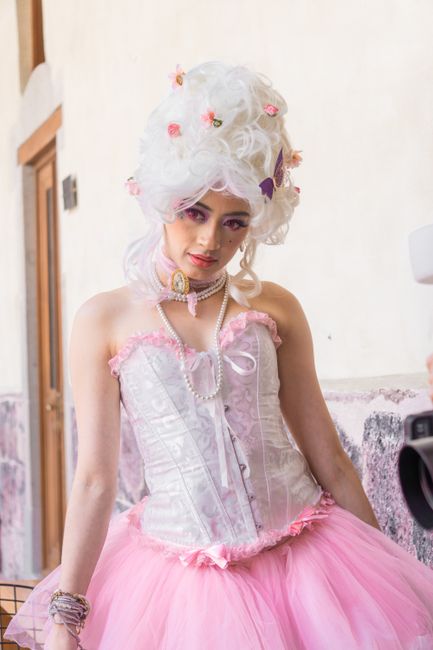
Rococo, a subset of the Baroque movement, took the drama and cranked up the charm and frivolity. Think pastel colors, delicate ornamentation, and scenes of playful romance. It was all about pleasure and escapism.
Key Artists: Fragonard, Boucher, Watteau
Hallmarks:
a. Pastel colors and delicate brushwork. b. Themes of love, leisure, and aristocratic life. c. Asymmetrical designs and ornate details.
Imagine Fragonard's "The Swing," with its playful sense of flirtation and lightheartedness. Rococo was the art of the aristocracy, a celebration of beauty and refined taste.
Neoclassical Nobility: Order and Reason
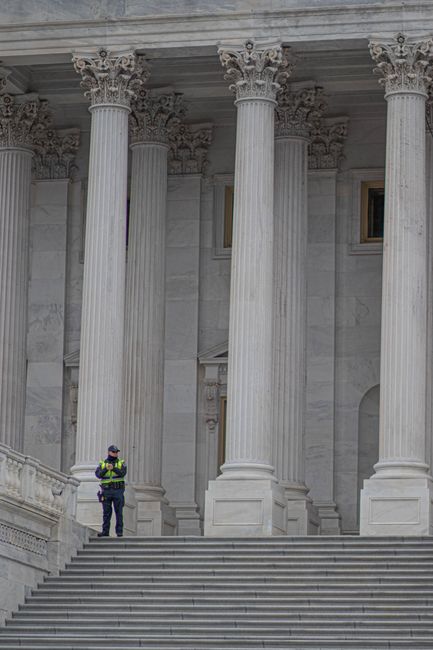
A reaction against the Rococo's frivolity, Neoclassicism looked back to the art and architecture of ancient Greece and Rome for inspiration. It emphasized order, reason, and moral virtue.
Key Artists: Jacques-Louis David, Ingres, Canova
Hallmarks:
a. Emphasis on clarity, balance, and symmetry. b. Themes of heroism, patriotism, and civic duty. c. Inspiration from classical art and literature.
Jacques-Louis David's paintings, like "The Oath of the Horatii," exemplify the Neoclassical ideals of sacrifice and patriotism.
Romantic Revolution: Emotion and Imagination

Romanticism was a revolt against the Enlightenment's emphasis on reason and logic. It celebrated emotion, imagination, and the power of nature.
Key Artists: Caspar David Friedrich, Eugène Delacroix, J.M.W. Turner
Hallmarks:
a. Emphasis on emotion, intuition, and subjective experience. b. Themes of nature, the sublime, and the exotic. c. Dramatic compositions and expressive brushwork.
Think of Caspar David Friedrich's landscapes, which evoke a sense of awe and wonder, or Eugène Delacroix's passionate depictions of historical events. Romanticism was the art of feeling.
Realist Rebellion: Truth and Honesty

Realism sought to depict the world as it was, without idealization or romanticism. It focused on everyday life, ordinary people, and social issues.
Key Artists: Gustave Courbet, Jean-François Millet, Honoré Daumier
Hallmarks:
a. Depiction of everyday life and ordinary people. b. Rejection of idealization and romanticism. c. Focus on social issues and the realities of modern life.
Gustave Courbet's paintings, like "The Stone Breakers," shocked audiences with their honest portrayal of working-class life.
Impressionist Innovation: Capturing the Moment

Impressionism revolutionized painting by focusing on capturing fleeting moments and the effects of light and color.
Key Artists: Claude Monet, Edgar Degas, Pierre-Auguste Renoir, Berthe Morisot
Hallmarks:
a. Emphasis on capturing the fleeting effects of light and color. b. Use of broken brushstrokes and unblended color. c. Depiction of everyday scenes and modern life. d. Painting "en plein air" - outside.
Monet's water lilies, Degas' ballerinas, and Renoir's joyous scenes of social life – these are all iconic examples of Impressionism's vibrant and innovative approach to painting.
Post-Impressionist Pioneers: Exploring New Dimensions

Post-Impressionism built upon Impressionism but pushed beyond it, exploring new dimensions of color, form, and expression. It's where the "isms" really start to multiply!
Key Artists: Vincent van Gogh, Paul Cézanne, Paul Gauguin, Georges Seurat
Hallmarks:
a. A move away from depicting optical reality towards personal expression and subjective experience. b. Experimentation with color, form, and brushwork. c. A wide range of styles and approaches, from Van Gogh's emotional intensity to Cézanne's geometric structure.
Van Gogh's swirling brushstrokes and intense colors, Cézanne's exploration of form and perspective, and Gauguin's exotic landscapes – these are all testaments to the Post-Impressionists' groundbreaking explorations.
20th-Century Chaos: A whirlwind of "isms"

Now, hold onto your hats, because the 20th century saw an explosion of artistic movements, each reacting against the others and pushing the boundaries of art in radical new directions. We only have a few minutes left, so let's rapid-fire through some of the most important:
a. Fauvism: Bold colors and simplified forms. Think Matisse.
b. Expressionism: Expressing inner emotions through distorted forms and jarring colors. Munch's "The Scream" is the poster child.
c. Cubism: Breaking down objects into geometric shapes and presenting multiple viewpoints simultaneously. Picasso and Braque are the masters.
d. Futurism: Celebrating the speed, technology, and dynamism of modern life. Boccioni's sculptures capture this energy.
e. Dadaism: A nihilistic and anti-art movement that emerged in response to the horrors of World War I. Duchamp's "Fountain" is a prime example.
f. Surrealism: Exploring the realm of dreams, the unconscious, and the irrational. Dalí's melting clocks are instantly recognizable.
g. Abstract Expressionism: Emphasizing spontaneous and gestural painting. Pollock's drip paintings are a defining example.
h. Pop Art: Incorporating imagery from popular culture, advertising, and mass media. Warhol's soup cans and Marilyn Monroe portraits are iconic.
i. Minimalism: Reducing art to its bare essentials, using simple geometric forms and industrial materials. Judd's sculptures are representative.
j. Conceptual Art: Emphasizing the idea behind the artwork over its physical form.
Contemporary Conundrums: Where Are We Now?

Today, art is more diverse and multifaceted than ever before. There are no dominant movements, but rather a plurality of voices, styles, and approaches. Artists are engaging with social and political issues, exploring new technologies, and pushing the boundaries of what art can be. From performance art to installation art to digital art, the possibilities are endless.
The Journey Continues...
And there you have it! A whirlwind tour through the world of art movements. Of course, this is just a starting point. Each movement deserves a deeper dive, and there are countless other artists and styles that we didn't have time to explore. But hopefully, this has given you a taste of the richness and diversity of art history and inspired you to continue your own artistic journey.
Remember, art is not just about what you see, but also about how you feel, what you think, and the connections you make. So go out there, explore, create, and let your own artistic voice be heard! Happy creating!
Post a Comment