Graphic Design Trends 2024-2025: A Kaleidoscope of Creativity and Innovation
Graphic Design Trends 2024-2025: A Kaleidoscope of Creativity and Innovation
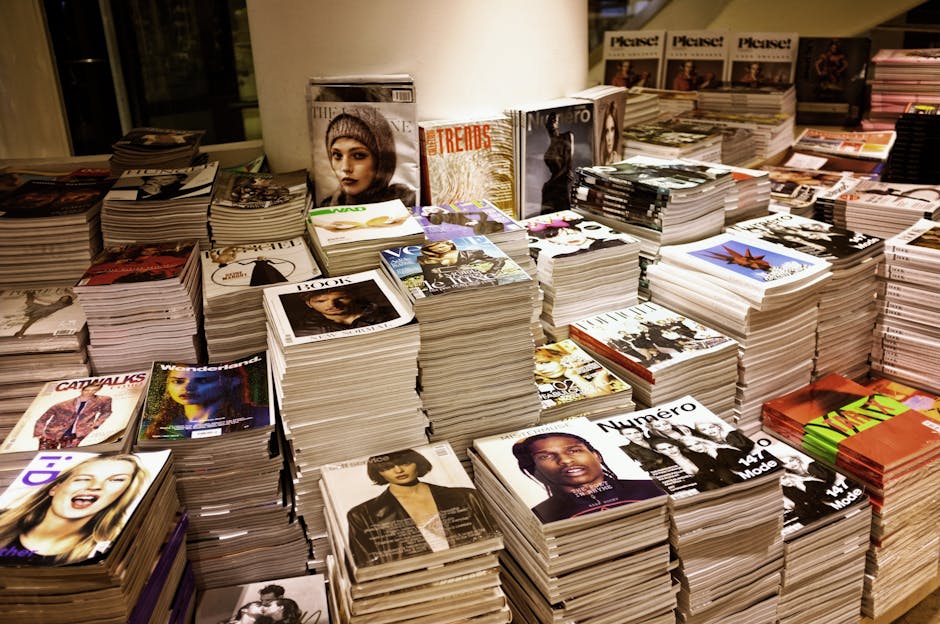
Ah, graphic design – a realm where imagination dances with pixels, and creativity finds its voice in vibrant hues and clever compositions. As a fellow art aficionado, I'm absolutely thrilled to share my insights into the graphic design trends that are set to paint the canvas of 2024 and 2025. Buckle up, my friends, because we're about to embark on a journey through a kaleidoscope of artistic innovation!
Embracing the Imperfect: The Wabi-Sabi Aesthetic

Forget flawless perfection! The beauty of imperfection is taking center stage. Think Wabi-Sabi, the Japanese philosophy that celebrates the beauty in transience and flaws. This trend embraces organic textures, hand-drawn elements, and a sense of raw authenticity. It's about finding beauty in the unexpected, and letting the human touch shine through.
Imagine designs featuring:
- Hand-painted illustrations: Imperfect brushstrokes and charmingly uneven lines.
- Textures inspired by nature: Think weathered wood, crinkled paper, and aged stone.
- Asymmetrical layouts: A deliberate rejection of rigid structures.
- Earthy color palettes: Muted tones and organic hues that evoke a sense of calm and tranquility.
This trend speaks to a desire for authenticity in a world saturated with digital perfection. It's a breath of fresh air, reminding us that beauty lies in the real and the relatable.
Maximalism Mania: More is More!

On the flip side of minimalism, we have maximalism making a bold comeback! Forget "less is more" – this trend is all about embracing abundance, layering textures, and celebrating vibrant chaos. It's a visual feast for the eyes, a joyous explosion of color and pattern.
Expect to see:
- Clashing color palettes: Bold, unexpected combinations that create a sense of visual excitement.
- Intricate patterns: Layering different patterns and textures to create a rich, multi-layered effect.
- Bold typography: Eye-catching fonts that demand attention.
- Eclectic imagery: A mix of vintage illustrations, modern graphics, and photographic elements.
Maximalism isn't just about throwing everything together; it's about carefully curating a visual symphony. It requires a keen eye for detail and a willingness to experiment. When done well, it can be incredibly impactful and memorable.
The Rise of 3D: Immersion and Depth

3D design continues to evolve, pushing the boundaries of what's possible. We're seeing more sophisticated and realistic 3D elements being incorporated into graphic design, creating a sense of depth and immersion that captivates the viewer.
Key aspects of this trend include:
- Hyperrealistic textures: Materials that look and feel almost tangible.
- Dynamic lighting: Realistic shadows and highlights that enhance the sense of depth.
- Abstract 3D shapes: Geometric forms and organic shapes that add a sense of visual intrigue.
- Integration with AR/VR: 3D design that seamlessly integrates with augmented and virtual reality experiences.
3D design is no longer just a novelty; it's becoming an integral part of the design landscape, allowing designers to create truly immersive and engaging experiences. It adds a layer of visual richness and realism that can elevate any design.
Retro Revival: Nostalgia Reigns Supreme

Ah, the sweet embrace of nostalgia! Retro design is making a big comeback, with designers drawing inspiration from the aesthetics of the past. From the groovy vibes of the 70s to the neon-drenched aesthetic of the 80s, expect to see a resurgence of vintage styles.
Look out for:
- Vintage color palettes: Muted tones, earthy hues, and retro-inspired color combinations.
- Retro typography: Script fonts, bold sans-serifs, and quirky typefaces that evoke a sense of nostalgia.
- Grainy textures: Adding a vintage feel to designs with subtle noise and imperfections.
- Illustrations inspired by vintage advertising: Whimsical characters and hand-drawn elements that capture the charm of the past.
This trend taps into our collective longing for simpler times. It's a comforting reminder of the past, reimagined for the present.
Inclusive Design: Accessibility for All
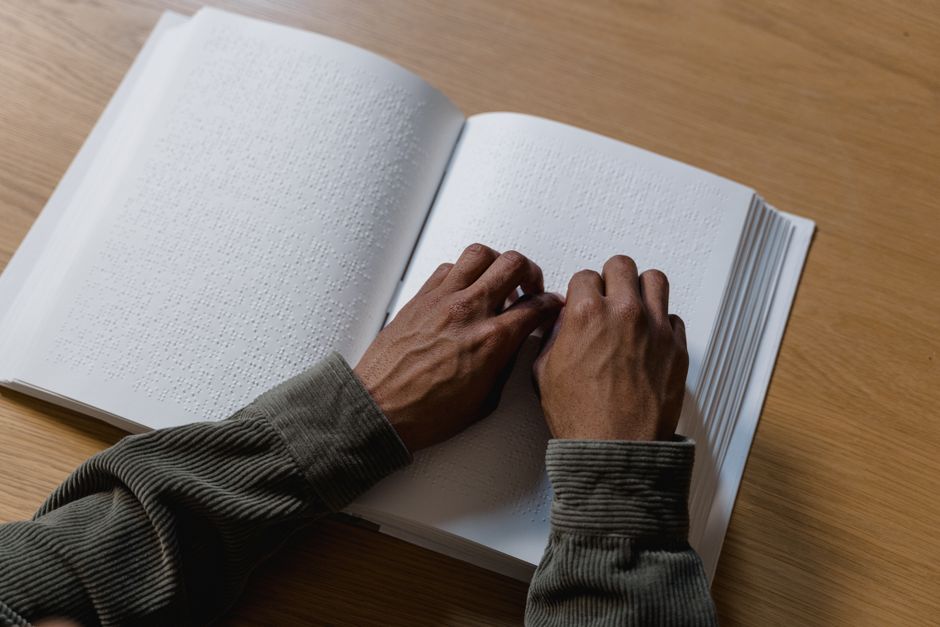
Inclusive design is more than just a trend; it's a fundamental principle that should be at the heart of every design project. This approach focuses on creating designs that are accessible and usable by people of all abilities.
Key considerations include:
- Color contrast: Ensuring sufficient contrast between text and background for readability.
- Typography: Choosing fonts that are easy to read and avoiding overly decorative typefaces.
- Alternative text for images: Providing descriptive alt text for images to make them accessible to visually impaired users.
- Clear and concise language: Using simple language and avoiding jargon to make designs accessible to people with cognitive disabilities.
Inclusive design is not just about compliance; it's about creating a more equitable and accessible world for everyone. It's about ensuring that everyone can experience and enjoy the beauty of design.
Data Visualization: Storytelling with Numbers

Data visualization is becoming increasingly important as we navigate an ever-growing sea of information. Designers are using creative and innovative ways to present data in a visually appealing and easy-to-understand manner.
Expect to see:
- Interactive charts and graphs: Allowing users to explore data and gain deeper insights.
- Infographics: Visual storytelling that combines data with compelling visuals.
- Data dashboards: Real-time data visualization that provides a quick overview of key metrics.
- Animated data visualizations: Engaging animations that bring data to life.
Data visualization is not just about presenting numbers; it's about telling a story. It's about using design to make complex information accessible and engaging.
AI-Assisted Design: The Designer's New Best Friend
Artificial intelligence (AI) is revolutionizing the design process, offering new tools and capabilities that can enhance creativity and efficiency. AI-powered design tools can assist with tasks such as image generation, font selection, and layout design.
Examples of AI applications in design:
- AI-powered image editors: Tools that can automatically enhance images, remove backgrounds, and generate creative effects.
- Font recommendation engines: AI algorithms that suggest the perfect font for a given design.
- Layout generators: Tools that can automatically create layouts based on user input.
- AI-driven personalization: Designing personalized experiences based on user data.
AI is not meant to replace designers; it's meant to augment their abilities. It's a powerful tool that can free up designers to focus on the more creative and strategic aspects of their work.
Kinetic Typography: Type in Motion

Kinetic typography, also known as moving text, is taking center stage! It's not just about static words on a page anymore; it's about bringing those words to life through movement, animation, and visual dynamism.
Imagine:
- Animated text that emphasizes key messages: Words that bounce, slide, and transform to grab attention.
- Typography integrated seamlessly with video: Text that complements and enhances the visual narrative.
- Interactive typography: Text that responds to user input, creating a dynamic and engaging experience.
- Creative uses of typography as a visual element: Using the shapes and forms of letters to create abstract art and dynamic compositions.
Kinetic typography is perfect for adding a touch of excitement and modernity to any design, making it memorable and impactful.
Sustainable Design: Eco-Conscious Creativity

In an increasingly environmentally conscious world, sustainable design is no longer a niche trend, but a core value. It's about creating designs that minimize environmental impact and promote sustainability.
This includes:
- Using recycled and sustainable materials: Choosing eco-friendly paper, inks, and packaging.
- Reducing waste: Minimizing the use of materials and designing for longevity.
- Promoting sustainable practices: Encouraging clients to adopt environmentally friendly practices.
- Communicating sustainability efforts: Highlighting the eco-friendly aspects of designs to raise awareness.
Sustainable design is about creating a better future for our planet. It's about using design to promote responsible consumption and environmental stewardship.
Bold Color Palettes: Expressing Emotion
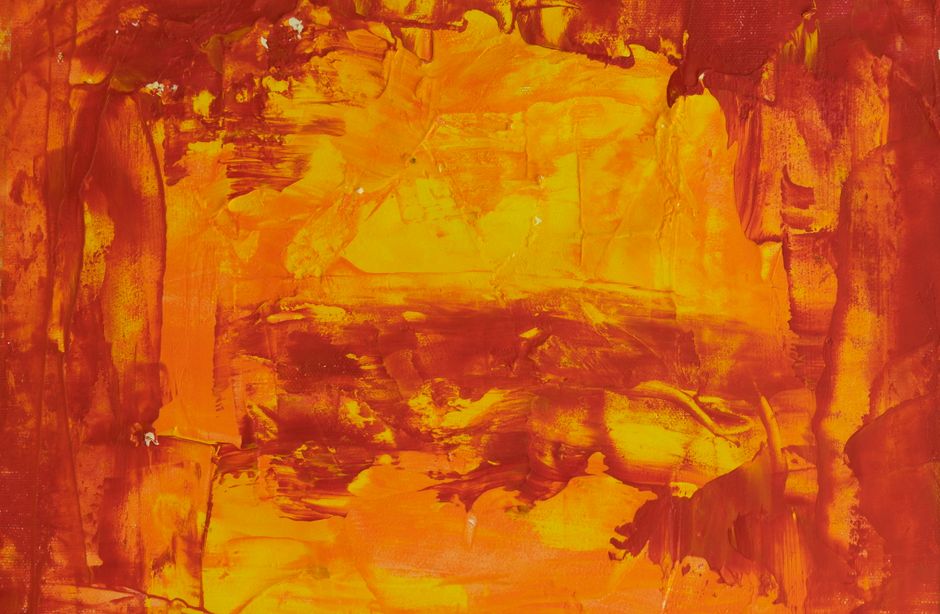
Get ready for an explosion of color! While muted tones have their place, bold color palettes are poised to make a significant statement. Think unexpected combinations, vibrant hues, and a willingness to push the boundaries of color theory.
Prepare to see:
- Duotone: Striking compositions using just two contrasting colors.
- Gradients: Seamless transitions between colors that add depth and visual interest.
- Color blocking: Using large blocks of contrasting colors to create bold and graphic designs.
- Unexpected pairings: Combinations that challenge conventional color theory and create a sense of surprise.
Bold color palettes are a powerful tool for expressing emotion and creating memorable designs. They can instantly grab attention and set the tone for a brand or campaign.
As we journey into 2024 and 2025, the landscape of graphic design promises to be a vibrant and dynamic one. By embracing these trends, we can create designs that are not only visually stunning but also meaningful, impactful, and relevant to the ever-changing world around us. So, let your creativity soar, and let's paint the future with a kaleidoscope of color and innovation!
Post a Comment