Graphic Design Trends 2025: The ONLY Strategy That Works!
Graphic Design Trends 2025: The ONLY Strategy That Works!
Hey there, fellow creatives and design dreamers! Let's talk about the kaleidoscope that is graphic design, shall we? As someone who spills their coffee more often than not while sketching out new ideas (it's a hazard of the trade!), I'm constantly peering into the future, trying to anticipate the currents that will shape our visual world. And guess what? I think I've stumbled upon the strategy for navigating the ever-shifting landscape of graphic design in 2025. Buckle up, because it's not what you might expect.
Forget chasing every fleeting trend like a butterfly with a broken net. The only strategy that truly works is embracing… authentic storytelling. Yes, you read that right. It's not about the latest gradient fad or the hippest font. It's about weaving narratives that resonate deeply with your audience, forging genuine connections in a world drowning in superficial visuals.
Why am I so convinced? Well, let's break it down.
The Rise of Connection: Why Storytelling is King

In a world saturated with information, people crave authenticity. They're tired of being bombarded with generic ads and soulless branding. They want to connect with brands that have a purpose, a voice, and a story to tell. This is where graphic design steps in, not just as a visual language, but as a narrative force.
Here's why authentic storytelling is the undisputed champion of graphic design in 2025:
- Building Trust: A well-crafted story builds trust. When you share your values, your mission, and the "why" behind your brand, you create a sense of transparency and vulnerability. People are naturally drawn to authenticity and are more likely to trust brands that are open and honest.
- Creating Emotional Resonance: Emotions drive decisions. A powerful story evokes emotions, creating a lasting impression that resonates with your audience long after they've seen your design.
- Standing Out From the Crowd: In a sea of sameness, a unique story sets you apart. It's what makes your brand memorable and helps you cut through the noise.
- Fostering Loyalty: When people connect with your story, they become invested in your brand. They're no longer just customers; they're advocates and loyal supporters.
- Driving Engagement: Stories are inherently engaging. They capture attention, spark curiosity, and invite interaction.
So, how do we translate this into concrete design practices? Let's dive into some key visual elements and how they contribute to powerful storytelling.
The Palette of Authenticity: Colors That Speak Volumes
Forget the generic color schemes that feel like they were pulled from a stock photo website. In 2025, color is used with intention, reflecting the personality and values of the brand.
Earthy Tones & Natural Palettes: Expect to see a resurgence of earthy tones, muted greens, warm browns, and sandy beiges. These colors evoke feelings of nature, sustainability, and authenticity. They tell a story of grounding and connection to the environment. Bold Accents with Meaning: Instead of relying on trendy neon colors, brands will use bold accent colors strategically to highlight key messages and evoke specific emotions. Think a vibrant coral for a brand that champions creativity, or a deep teal for one that embodies trustworthiness. Monochromatic Mastery: Don't underestimate the power of a well-executed monochromatic palette. Using different shades of a single color can create a sense of sophistication, unity, and focus. It's a subtle yet effective way to communicate a brand's minimalist aesthetic or unwavering commitment to a particular value. Personalized Color Psychology: Understanding the psychology of color is crucial, but even more important is tailoring your palette to your specific audience and brand story. Research what colors resonate with your target demographic and how they align with your brand values.
Typography: The Voice of Your Brand
Typography is more than just choosing a pretty font. It's about selecting a typeface that embodies the voice and personality of your brand.
Expressive & Handmade Fonts: We'll see a continued rise in the use of expressive and handmade fonts. These fonts add a personal touch, making the brand feel more human and relatable. Think quirky serifs, playful scripts, and fonts that mimic the texture of real handwriting. Variable Fonts for Dynamic Storytelling: Variable fonts are game-changers! They allow designers to create dynamic and responsive typography that adapts to different screen sizes and contexts. This enables brands to tell their story in a more engaging and interactive way. Thoughtful Font Pairings: Forget the generic font pairings that everyone else is using. In 2025, it's all about creating unique and unexpected combinations that reflect the brand's personality. Pair a classic serif with a modern sans-serif for a blend of tradition and innovation, or combine two contrasting fonts to create visual interest and highlight key messages. Accessibility First: Choosing readable and accessible fonts will become even more critical. Ensuring that your typography is legible for everyone, regardless of their visual abilities, is not just good design; it's ethical design.
Imagery: Painting a Thousand Words (Authentically)
Stock photos? Out. Authentic imagery? In. People crave genuine representation and relatable visuals.
Real People, Real Stories: Expect to see more brands using photos and videos that feature real people in real-life situations. This creates a sense of authenticity and relatability, making the brand feel more approachable and trustworthy. Ditch the staged smiles and embrace genuine emotions and imperfections. User-Generated Content: Encourage your audience to share their own photos and videos featuring your product or service. This creates a sense of community and adds a layer of authenticity to your brand. Illustration & Animation with a Purpose: Illustrations and animations are powerful tools for storytelling, but they need to be used with intention. Think beyond generic illustrations and create visuals that are unique, meaningful, and aligned with your brand's values. Behind-the-Scenes Content: Show your audience what goes on behind the scenes. Share glimpses of your creative process, your team, and your company culture. This creates a sense of transparency and invites your audience to connect with your brand on a deeper level.
Layout & Composition: Guiding the Narrative

How you arrange your visual elements plays a crucial role in telling your story.
Asymmetrical Layouts with Purpose: Embrace asymmetrical layouts that create visual interest and guide the eye through the narrative. This allows you to highlight key messages and create a sense of dynamism. Whitespace as a Storytelling Tool: Don't be afraid of whitespace! Use it strategically to create breathing room, emphasize important elements, and guide the viewer's eye. Whitespace can be just as powerful as the elements you include in your design. Micro-Interactions for Engagement: Micro-interactions are small animations and visual cues that respond to user actions. They add a layer of interactivity and engagement to your design, making the experience more enjoyable and memorable. Accessibility-Focused Design: Ensure your layouts are accessible to everyone, regardless of their abilities. Use clear and consistent navigation, provide alternative text for images, and design with readability in mind.
Examples in Action: Brands That Get It Right

Let's look at some brands that are already nailing the authentic storytelling approach:
a. Patagonia: Patagonia is a master of storytelling. They use their designs and campaigns to highlight environmental issues, promote sustainable practices, and connect with their audience on a shared passion for the outdoors. Their imagery features real adventurers, their typography is rugged and authentic, and their overall aesthetic reflects their commitment to environmental stewardship. b. Dove: Dove's "Real Beauty" campaign is a prime example of using design to challenge conventional beauty standards and promote self-acceptance. Their imagery features diverse women of all shapes, sizes, and ages, and their messaging focuses on empowering women to embrace their natural beauty. c. Mailchimp: Mailchimp's brand is infused with personality and humor. Their illustrations are quirky and engaging, their typography is playful, and their overall aesthetic reflects their commitment to helping small businesses succeed. They tell their story through their unique visual language, creating a brand that is both memorable and relatable.
Implementing the Strategy: Your Action Plan
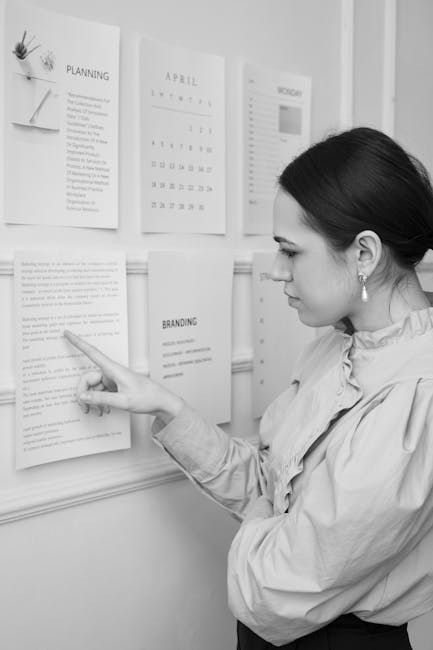
Okay, so you're convinced. But how do you actually implement this "authentic storytelling" strategy? Here's a step-by-step action plan:
- Define Your Brand Story: What are your values? What is your mission? What is the "why" behind your brand? Articulate your brand story in a clear and compelling way.
- Know Your Audience: Who are you trying to reach? What are their needs, desires, and pain points? Understand your audience on a deep level.
- Craft a Visual Language That Speaks Your Truth: Choose colors, typography, imagery, and layouts that reflect your brand story and resonate with your audience.
- Be Consistent: Use your visual language consistently across all your platforms and channels. This will help you build brand recognition and create a cohesive brand experience.
- Listen and Adapt: Pay attention to what your audience is saying. Are they connecting with your story? Are they responding to your visuals? Be willing to adapt your strategy based on their feedback.
Beyond Trends: The Enduring Power of Connection

While specific design trends will come and go, the power of authentic storytelling will endure. It's not about chasing the latest fads; it's about creating a brand that is genuine, relatable, and meaningful. It's about using graphic design to connect with your audience on a human level, forging lasting relationships that go beyond mere transactions.
So, embrace the power of storytelling. Let your creativity flow, and let your designs speak from the heart. That's the only strategy that truly works, not just in 2025, but for years to come. Now, go forth and create something amazing! And maybe, just maybe, try to keep the coffee in the mug this time. 😉
Post a Comment