How Ancient Art Echoes in Modern Masterpieces: A Galindo Perspective
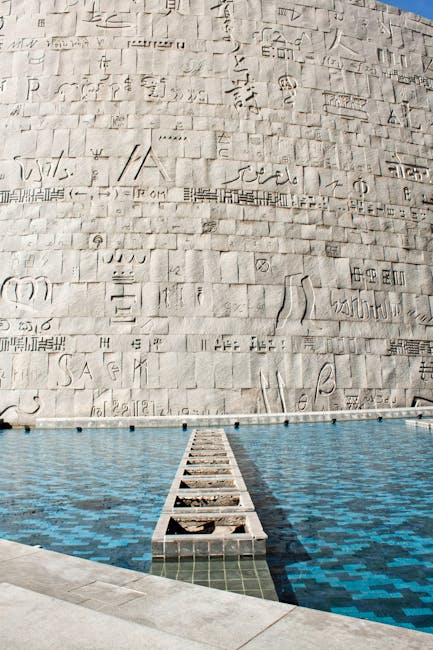
How Ancient Art Echoes in Modern Masterpieces: A Galindo Perspective
Hello, fellow art enthusiasts! Let's embark on a visual journey, a time-traveling adventure that reveals the profound and often-unseen influence of ancient art on the modern art we admire today. As an artist deeply inspired by the past, and particularly in the spirit of someone like Felipe Galindo, I find myself constantly drawn to the threads that connect us to those who came before, those who first dared to capture the world on cave walls, scrolls, and canvases. Prepare to be amazed as we uncover these hidden connections, discover how ancient techniques and philosophies continue to shape the art of today, and perhaps, even gain a fresh appreciation for the timeless power of human creativity.
The Whispers of Antiquity: Why Ancient Art Matters

Why should we care about art created thousands of years ago? Because it's the bedrock upon which our visual language is built! Ancient art isn't just dusty relics in museums; it's a vibrant source of inspiration, a wellspring of ideas that continue to nourish the artistic imagination. Think of it as the DNA of art history. We see fragments of it in everything from the bold lines of graphic design to the complex narratives of contemporary painting. Understanding ancient art provides a context, a richer understanding, for experiencing and creating art in the present.
Consider this: the earliest cave paintings demonstrate humanity's inherent need to represent the world around them, to tell stories through images. This fundamental impulse, this drive to visually communicate, hasn't changed. What has changed are the tools and the perspectives, but the core intention remains the same. Just as Felipe Galindo often incorporates whimsical narratives and visual puns into his work, ancient artists were masters of visual storytelling, embedding symbolic meaning and cultural significance within their creations. We can learn so much by deciphering those ancient narratives.
Ancient Greece: The Birthplace of Ideal Forms

Ah, Greece! The land of philosophers, mathematicians, and artists who sought to capture the very essence of beauty and harmony. Greek art, particularly sculpture, established ideals of human form and proportion that have resonated through centuries. Their pursuit of perfection, evident in the contrapposto stance of statues and the geometric precision of their architecture, laid the foundation for classical art that would influence countless artists throughout history.
Consider the following examples of Greek influence:
- Renaissance Masters: Artists like Michelangelo and Leonardo da Vinci studied Greek sculpture to understand human anatomy and create lifelike figures. The "David" and the "Mona Lisa" owe a debt to the Greek pursuit of ideal form.
- Neoclassical Art: This 18th-century movement explicitly drew inspiration from Greek and Roman art, emphasizing order, reason, and classical motifs.
- Modern Sculpture: Even modern sculptors, who often reject classical ideals, are in dialogue with the Greek tradition. Their departures from classical forms are meaningful precisely because they acknowledge the enduring power of that tradition.
The principles of balance, symmetry, and proportion, so central to Greek art, are still relevant in fields like graphic design, architecture, and even fashion. The Golden Ratio, a mathematical proportion found in nature and frequently used by the Greeks, continues to inform aesthetic choices today.
Ancient Egypt: A Realm of Symbolism and Grandeur
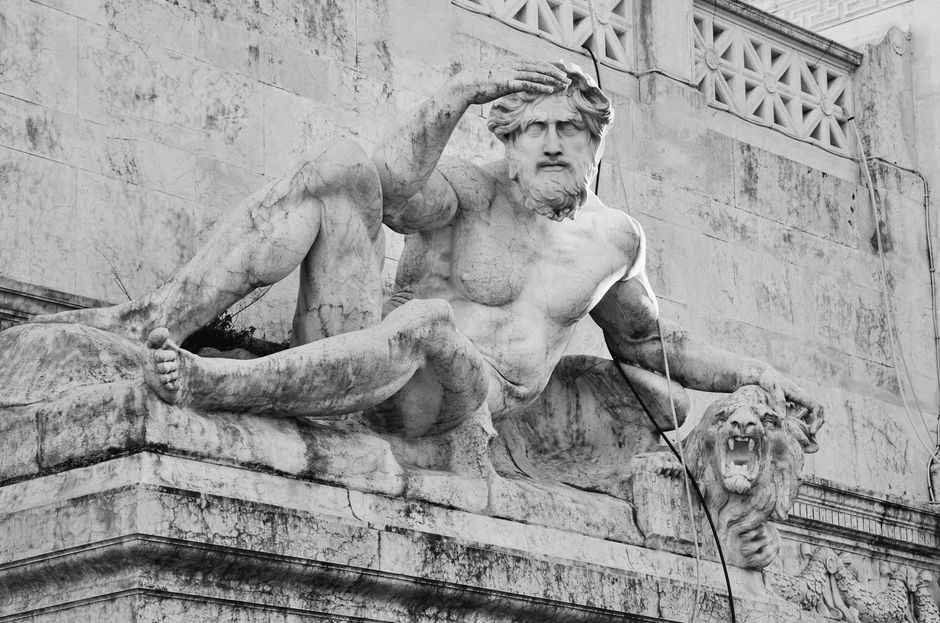
From the colossal pyramids to the intricate hieroglyphs, ancient Egyptian art is imbued with symbolism and a profound sense of the eternal. The Egyptians believed in an afterlife, and their art was created to serve both the living and the dead. This focus on the spiritual and the monumental had a lasting impact on later civilizations.
Here's how Egyptian art influenced subsequent artistic movements:
- Art Deco: The stylized forms and geometric motifs of Egyptian art found their way into the Art Deco movement of the 1920s and 30s. Think of the clean lines, bold colors, and geometric patterns that define Art Deco architecture and design.
- Surrealism: The surrealists, fascinated by the subconscious and the dreamlike, were drawn to the symbolic language of Egyptian art. The enigmatic imagery and the sense of the uncanny in Egyptian art resonated with their own artistic goals.
- Pop Art: The bold, graphic style of Egyptian art, with its emphasis on recognizable symbols and flat planes of color, foreshadowed the Pop Art movement of the 1960s.
Furthermore, the Egyptian emphasis on hierarchy and power, as reflected in the scale of their monuments and the depictions of pharaohs, has influenced political art and propaganda throughout history. The visual language of power, with its roots in ancient Egypt, continues to be used to convey authority and dominance.
Pre-Columbian Art: A Tapestry of Indigenous Cultures
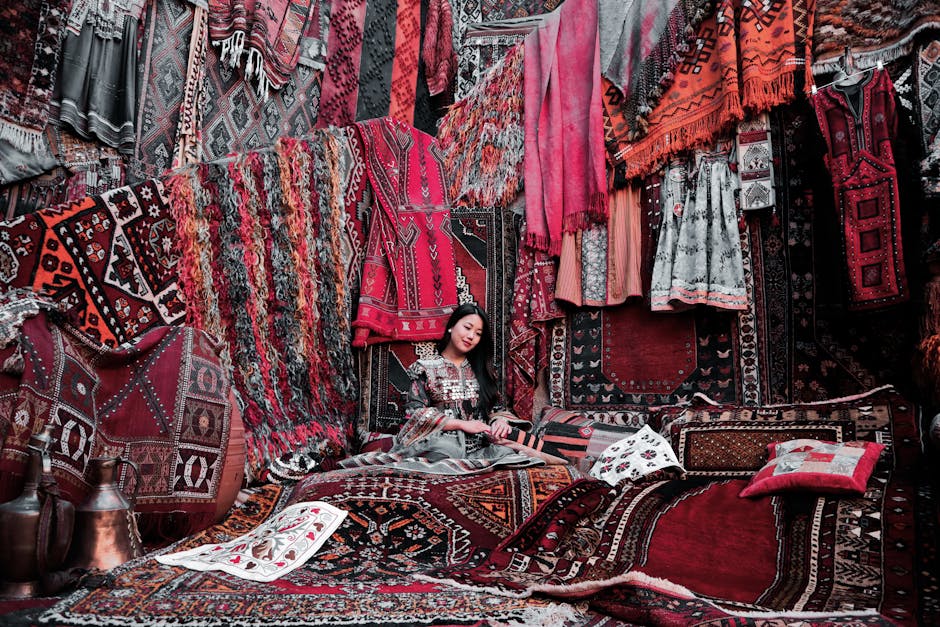
The art of pre-Columbian civilizations in the Americas, such as the Maya, Aztec, and Inca, offers a rich and diverse tapestry of artistic expression. These cultures developed sophisticated systems of art and symbolism that reflected their beliefs, rituals, and social structures. From the monumental sculptures of the Olmecs to the intricate textiles of the Incas, pre-Columbian art is a testament to the ingenuity and creativity of indigenous peoples.
The influence of pre-Columbian art can be seen in:
- Modernist Art: Artists like Diego Rivera and Frida Kahlo drew inspiration from pre-Columbian art, incorporating indigenous themes and symbolism into their work to celebrate Mexican identity and challenge colonial narratives.
- Surrealism: Again, the surrealists were drawn to the dreamlike qualities and symbolic richness of pre-Columbian art. The masks, sculptures, and ritual objects of these cultures offered a glimpse into alternative realities and states of consciousness.
- Contemporary Art: Contemporary artists continue to explore the themes and motifs of pre-Columbian art, reinterpreting ancient traditions in new and innovative ways.
The vibrant colors, geometric patterns, and stylized forms of pre-Columbian art have also influenced graphic design, fashion, and other areas of visual culture. The legacy of these ancient cultures continues to inspire artists and designers seeking to create work that is both visually striking and culturally meaningful.
The Enduring Power of Ornamentation and Pattern

Across cultures and throughout history, ornamentation and pattern have played a central role in art and design. From the intricate mosaics of ancient Rome to the elaborate textiles of the Islamic world, ornamentation has been used to beautify objects, convey meaning, and express cultural identity. Ancient civilizations understood the power of pattern to create visual interest, evoke emotions, and communicate complex ideas.
Here's how ancient ornamentation continues to influence modern art:
- Art Nouveau: This late 19th-century movement drew inspiration from natural forms and flowing lines, incorporating elements of ancient ornamentation into its designs. Think of the swirling patterns and organic motifs of Art Nouveau architecture and decorative arts.
- Abstract Art: Abstract artists often use patterns and repetition to create visual rhythms and evoke emotional responses. The geometric patterns of ancient art, such as those found in Greek pottery and Islamic tilework, provide a foundation for abstract experimentation.
- Textile Design: The ancient art of weaving and embroidery continues to inspire textile designers today. Traditional patterns and techniques are reinterpreted in contemporary fabrics and designs, creating a bridge between the past and the present.
Even in minimalist art, where ornamentation is often deliberately absent, the absence itself can be seen as a response to the rich and elaborate ornamentation of the past. The minimalist aesthetic, with its emphasis on simplicity and essential forms, invites us to appreciate the underlying structure and geometry that are often hidden beneath layers of ornamentation.
Felipe Galindo: A Modern Artist Inspired by Ancient Echoes
Now, let's bring this discussion back to the spirit of an artist like Felipe Galindo. While his work is undeniably contemporary, with its whimsical narratives and playful visual puns, the echoes of ancient art can still be heard in his approach. Think of his use of symbolism, his attention to detail, and his ability to tell stories through images. These are all qualities that resonate with the artistic traditions of the past.
Galindo, like many modern artists, understands that art is a conversation across time. He draws inspiration from a wide range of sources, including ancient art, folk art, and popular culture, creating a unique and personal visual language. His work reminds us that the past is not something to be forgotten, but rather something to be reinterpreted and reimagined in the present.
Embracing the Legacy: How You Can Connect with Ancient Art
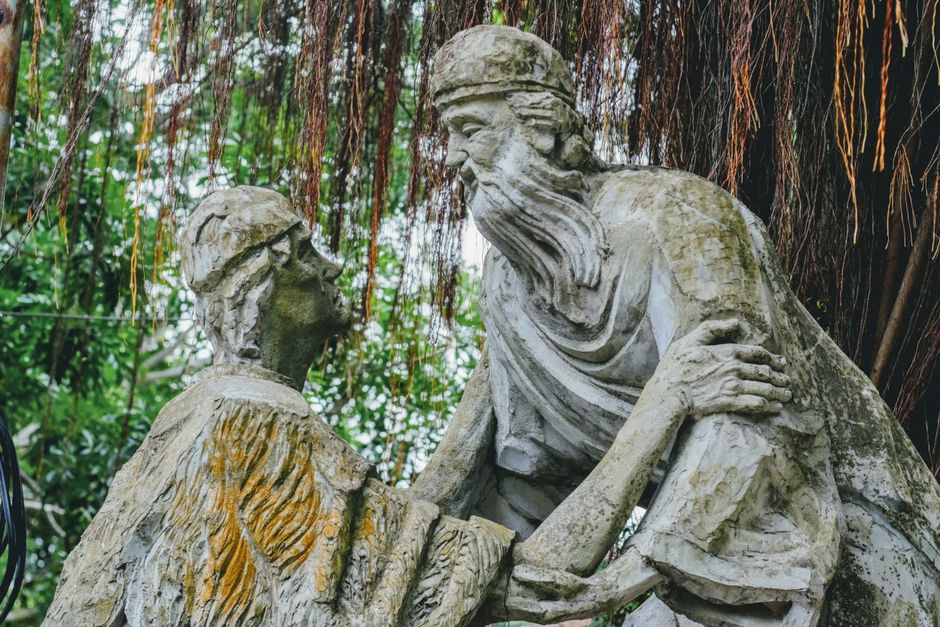
So, how can you, as a fellow creative soul, connect with the legacy of ancient art and incorporate it into your own work? Here are a few suggestions:
- Visit Museums: Immerse yourself in the world of ancient art by visiting museums and archaeological sites. Take the time to study the objects on display, read the accompanying descriptions, and imagine the lives of the people who created them.
- Read Books and Articles: Expand your knowledge of ancient art by reading books and articles on the subject. There are countless resources available online and in libraries that can help you learn more about different cultures and artistic traditions.
- Experiment with Techniques: Try experimenting with ancient techniques in your own work. For example, you could try creating a mosaic using small pieces of tile or stone, or you could try painting using natural pigments and brushes.
- Find Your Own Connections: Don't be afraid to find your own personal connections to ancient art. What resonates with you? What inspires you? Use your own unique perspective to reinterpret ancient traditions in new and innovative ways.
The Timeless Dialogue

Ultimately, the influence of ancient art on modern art is a testament to the enduring power of human creativity. The artists of the past, working with limited resources and tools, created works of extraordinary beauty and significance. Their legacy continues to inspire us today, reminding us that art is a timeless dialogue between generations, a conversation that transcends time and space. By embracing this legacy, we can enrich our own artistic practice and create work that is both meaningful and enduring. So go forth, explore the wonders of ancient art, and let its echoes resonate in your own creative journey!
Post a Comment