How Ancient Whispers Echo in Modern Masterpieces: A Galindo-Inspired Journey
How Ancient Whispers Echo in Modern Masterpieces: A Galindo-Inspired Journey
Hello, fellow art enthusiasts! Isn't it just magical how the whispers of ancient civilizations can still ripple through the vibrant canvases of modern art? I, for one, find it utterly captivating. Today, we're embarking on a journey, a delightful exploration of how the art of antiquity continues to dance in the hearts and hands of contemporary artists. And, because I simply adore his work, we'll be using the lens of Felipe Galindo's unique artistic perspective to guide our way.
The Enduring Allure of Ancient Forms

Think about it. Long before the advent of digital art, before abstract expressionism even dreamt of existing, there were cultures crafting powerful, evocative art. From the monumental pyramids of Egypt to the delicate brushstrokes on ancient Chinese scrolls, these works were – and remain – powerful. They weren't just decorative; they were imbued with spiritual significance, told stories of creation and destruction, and reflected the core beliefs of entire societies.
These ancient artists weren't working in a vacuum. They observed the world around them, interpreting nature, human form, and the spiritual realm through their unique cultural prisms. Their styles, techniques, and subject matter, once established, became a foundation upon which future generations would build. This is where the influence begins to take hold, an artistic lineage spanning millennia.
The echo of ancient art in modern art is not always a direct imitation. It's often more subtle, a reimagining of a form, a thematic resonance, or even a conscious rejection of the past in favor of something entirely new (which, ironically, still defines itself against the backdrop of the old!).
Felipe Galindo: A Modern Maestro Embracing Ancient Narratives

Now, let's bring in the brilliant Felipe Galindo. His work, to me, is a delightful tapestry woven with threads of the past and present. He is a master of visual storytelling, creating worlds that are both whimsical and thought-provoking. His illustrations and animations are often imbued with a sense of playful irony, but beneath the surface lies a deep respect for art history, including its ancient roots.
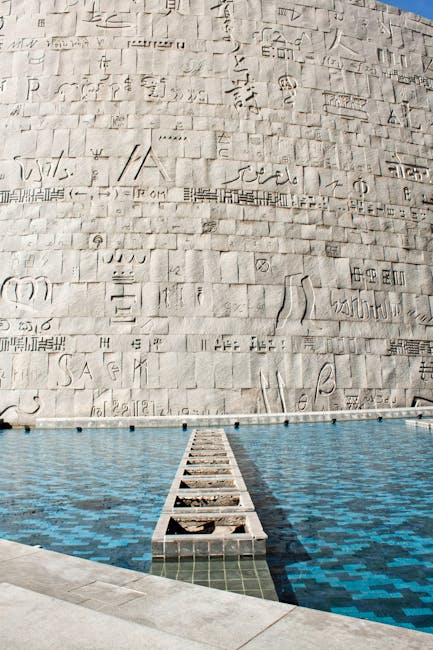
What I find particularly compelling about Galindo's approach is his ability to distill complex ideas into deceptively simple images. He doesn't just copy ancient motifs; he reinterprets them, adding his own unique voice and perspective. He uses familiar symbols and narratives from the past to comment on contemporary issues, creating a dialogue between then and now. Look closely, and you might see subtle nods to ancient cultures, like the stylized figures reminiscent of Egyptian hieroglyphs or the rhythmic patterns echoing those found in ancient textiles.
Galindo's artistic philosophy, as I perceive it, celebrates the joy of making, the power of imagination, and the importance of visual communication. It's a philosophy that aligns perfectly with the spirit of ancient art, which was often created with a sense of purpose, a desire to connect with something larger than oneself.
Specific Examples: Ancient Influences Shining Through
To truly understand the influence, let's explore some concrete examples. We'll delve into specific art movements and artists, drawing connections to the art of antiquity and, where applicable, highlighting how artists like Galindo might engage with these influences.
- Cubism and Ancient Geometry: The fragmented forms and multiple perspectives of Cubism, pioneered by Picasso and Braque, share an intriguing connection with ancient geometric patterns and the way certain cultures represented the world. Think about the stylized depictions of humans in ancient Egyptian art or the use of geometric motifs in pre-Columbian textiles. Cubism, in a way, sought to break down the illusion of three-dimensional space, similar to how some ancient art flattened perspective to convey symbolic meaning.
- Surrealism and Dreamlike Mythologies: The dreamlike imagery and exploration of the subconscious in Surrealism owe a debt to the rich mythologies and symbolic systems of ancient cultures. Think of the Greek myths, the Egyptian Book of the Dead, or the shamanistic traditions of indigenous cultures. These narratives, filled with fantastical creatures and symbolic landscapes, provided a fertile ground for Surrealist artists like Dalí and Magritte to explore the depths of the human psyche. Artists like Galindo tap into this shared human fascination with the strange and wonderful, creating worlds that are both familiar and surreal.
- Minimalism and Ancient Simplicity: The minimalist movement, with its emphasis on simplicity and essential forms, can be seen as a reaction against the ornate and decorative styles of the past. However, it also shares a connection with the austere beauty of ancient architecture and sculpture. Think of the monolithic structures of Stonehenge or the simplified forms of Cycladic figurines. Minimalism, in its own way, sought to strip away the unnecessary and reveal the underlying essence of form, a pursuit that echoes the ancient quest for purity and spiritual understanding.
- Pop Art and Mass Consumption (Ancient Style): Pop Art, with its embrace of popular culture and mass-produced imagery, might seem far removed from the sacred art of ancient civilizations. However, consider the ways in which ancient societies used repetitive symbols and motifs to communicate with large populations. Think of the standardized imagery used in Roman propaganda or the mass production of religious icons in ancient Egypt. Pop Art, in its own way, is engaging with the same issues of mass communication and cultural identity, albeit in a very different context. A playful take on this can be seen in some of Galindo's satirical works.
Decoding the Dialogue: How to See Ancient Influences Yourself
So, how can you, the curious art lover, begin to see these ancient influences in modern art? Here are a few tips:
- Become Familiar with Art History: The more you know about the art of different cultures and periods, the easier it will be to recognize the echoes of the past in modern works. Start with the basics – ancient Egypt, Greece, Rome, China, Mesoamerica – and then branch out to explore more obscure cultures and artistic traditions.
- Look for Recurring Themes and Motifs: Pay attention to recurring themes, such as creation myths, fertility rituals, or the relationship between humans and nature. Also, look for specific motifs, such as spirals, labyrinths, or stylized animal forms, that appear in both ancient and modern art.
- Consider the Context: Think about the historical and cultural context in which the art was created. What were the artists trying to communicate? What were the social and political forces shaping their work? Understanding the context can help you to understand the deeper meaning of the art.
- Trust Your Intuition: Art is not just about intellectual analysis; it's also about emotional connection. Trust your gut feeling and allow yourself to be moved by the art. Don't be afraid to interpret the art in your own way.
- Explore Felipe Galindo's Work: Seriously! Take some time to immerse yourself in his art. See how he blends humor, social commentary, and artistic references to create something truly unique. He is, in my opinion, a wonderful example of a modern artist who embraces and reinterprets the past in a fresh and engaging way.
The Enduring Legacy: Why Ancient Art Still Matters

Perhaps you're thinking, "Okay, that's interesting, but why does any of this matter?" Well, I believe that understanding the influence of ancient art on modern art is crucial for several reasons:
- It Provides a Deeper Appreciation of Art History: By understanding the connections between ancient and modern art, we gain a richer and more nuanced understanding of art history as a whole. We see that art is not created in isolation, but rather is part of a continuous dialogue between generations of artists.
- It Enhances Our Understanding of Culture: Art is a reflection of culture, and by studying the art of different cultures, we can gain a deeper understanding of their values, beliefs, and ways of life. The art of ancient civilizations offers a window into the minds of people who lived thousands of years ago, allowing us to connect with them on a human level.
- It Inspires Creativity: By studying the art of the past, we can find inspiration for our own creative endeavors. Ancient art can provide us with new ideas, techniques, and perspectives that can help us to break out of our own creative ruts and explore new possibilities.
- It Reminds Us of Our Shared Humanity: Ultimately, the art of both ancient and modern civilizations reminds us of our shared humanity. Despite our differences in culture, language, and historical context, we all share the same basic emotions, desires, and fears. Art allows us to connect with these shared experiences and to see ourselves as part of a larger human story.
A Parting Thought: Keep Exploring, Keep Creating!

So, my friends, as you wander through galleries and museums, or even just scroll through art online, remember to keep an eye out for those ancient whispers. They are there, waiting to be discovered, waiting to enrich your understanding and appreciation of the art world. And most importantly, keep creating! Let the inspiration of the past fuel your own artistic journey. Who knows? Maybe someday, your work will be inspiring future generations in the same way that the art of antiquity continues to inspire us today. Now, go forth and create something beautiful!
Post a Comment