How To Build An Art Habit: Nurturing Your Inner Artist

How To Build An Art Habit: Nurturing Your Inner Artist
Hello, fellow creative voyager! Ever felt that tug, that irresistible pull toward colors, shapes, and textures? That's your inner artist calling, beckoning you to explore the boundless realms of creativity. But life, with its swirling vortex of responsibilities, often overshadows these whispers. Fear not! Building an art habit is not about transforming into a Van Gogh overnight; it's about consistently nurturing that creative spark within you. Let's embark on this journey together, shall we?
Understanding the Landscape of Art Habits
Before diving into the nitty-gritty, let's acknowledge something crucial: an art habit isn't a rigid prescription. It's a fluid, organic practice tailored to you. It's about creating a space in your life where art can naturally flourish, not about forcing yourself to paint a masterpiece every day.
Think of it as cultivating a garden. You don't expect a rose to bloom the instant you plant it. You prepare the soil, water it regularly, and provide the necessary sunlight. Similarly, building an art habit requires preparation, consistency, and a nurturing environment.
Breaking Down the Walls: Overcoming Creative Obstacles
Often, the biggest hurdle isn't a lack of talent, but the mental barriers we erect ourselves. Here are some common culprits and how to dismantle them:
The "I'm Not Good Enough" Monster: This is perhaps the most pervasive. Remember, art is a process, not a performance. Focus on the joy of creation, not the perceived quality of the outcome. Embrace imperfections as opportunities for learning. No one starts as a master. Every great artist began with a blank canvas and a hesitant first stroke.
The "I Don't Have Time" Excuse: Time is a resource, and like any resource, it needs to be managed. Even dedicating just 15 minutes a day to art can yield remarkable results. Schedule it like any other important appointment. Consider combining it with other activities – listening to a podcast while sketching, or brainstorming ideas during your commute. Micro-sessions are powerful building blocks.
The "I Don't Know What to Create" Paralysis: The fear of the blank page is real. Combat it by having a variety of prompts, exercises, and ideas readily available. Keep a sketchbook filled with inspirations, visual snippets, and random thoughts. Explore different mediums and styles to discover what resonates with you. Don't be afraid to experiment and fail – that's where the magic happens!
Crafting Your Artistic Sanctuary: Practical Steps to Build an Art Habit
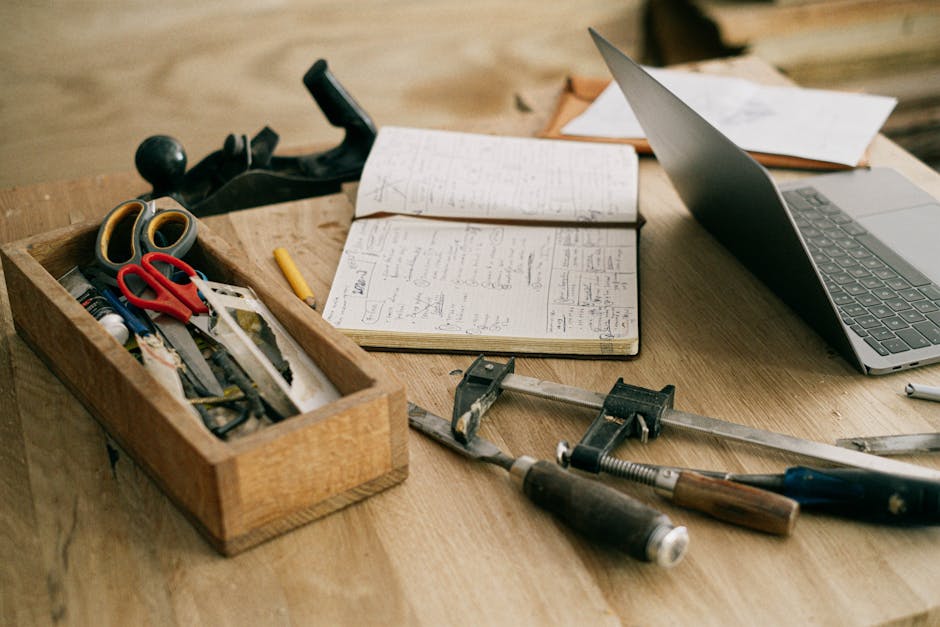
Now, let's delve into the tangible steps you can take to build your very own art haven.
1. Define Your "Why": Unearthing Your Artistic Motivation
Why do you want to build an art habit? Is it to de-stress, express yourself, explore new possibilities, or simply reconnect with your inner child? Understanding your core motivation will fuel your commitment and help you stay on track when motivation wanes. Write it down. Pin it up where you can see it. Remind yourself regularly why this matters to you.
2. Start Small, Think Big: The Power of Micro-Habits
Rome wasn't built in a day, and neither is an art habit. Start with small, manageable goals. Instead of aiming to paint a masterpiece every week, commit to sketching for 15 minutes each day. These micro-habits, when consistently practiced, compound over time and lead to significant progress. Don't underestimate the power of showing up, even when you don't feel inspired.
3. Create Your Art Space: A Haven for Creativity
Designate a specific area in your home (or even a corner of a room) as your art space. This doesn't need to be elaborate; a simple desk with your art supplies will suffice. The key is to make it accessible and inviting. Surround yourself with things that inspire you – artwork, books, plants, crystals, anything that sparks your imagination. Keep your space tidy and organized to minimize distractions.
4. Gather Your Tools: Stocking Your Creative Arsenal
Having the right tools can make a world of difference. You don't need to spend a fortune on expensive supplies, especially when starting out. Begin with a few basic essentials that align with your chosen medium. A sketchbook, pencils, erasers, watercolors, paintbrushes, or clay are all excellent starting points. Explore different materials as you progress to discover what you enjoy working with.
5. Schedule Your Art Time: Making Creativity a Priority
Treat your art time as a non-negotiable appointment. Schedule it into your calendar and protect it fiercely. Experiment with different times of day to see when you're most creative. Some people thrive in the morning, while others prefer the evening. Find what works best for you and stick to it as much as possible. Even if you can only dedicate 15 minutes, those 15 minutes are sacred.
6. Embrace Experimentation: Exploring the Spectrum of Art
Don't limit yourself to one particular art form. Explore different mediums, styles, and techniques. Try watercolor painting, sketching, collage, sculpting, digital art, photography – the possibilities are endless! Experimentation not only expands your artistic horizons but also helps you discover your unique voice and style.
7. Find Your Tribe: Connecting with Fellow Artists
Connecting with other artists can provide invaluable support, inspiration, and motivation. Join online art communities, attend workshops or classes, or find a local art group. Sharing your work, receiving feedback, and exchanging ideas can be incredibly enriching and help you grow as an artist. Plus, it's just plain fun!
8. Seek Inspiration: Fueling Your Creative Fire
Inspiration is everywhere – in nature, in books, in music, in everyday life. Cultivate a habit of actively seeking out sources of inspiration. Visit museums and galleries, browse art books, listen to podcasts, watch documentaries, and explore the world around you with a curious eye. Collect images, quotes, and ideas that resonate with you in a sketchbook or digital mood board.
9. Embrace the Imperfect: Letting Go of Perfectionism
Perfectionism is the enemy of creativity. It stifles experimentation, breeds self-doubt, and prevents you from enjoying the process of making art. Embrace imperfections as opportunities for learning and growth. Remember that every masterpiece is born from a series of mistakes. Let go of the need to create perfect art and focus on the joy of creating.
10. Celebrate Your Progress: Acknowledging Your Artistic Journey
Acknowledge and celebrate your progress, no matter how small. Keep a visual journal of your work, track your progress in a sketchbook, or share your creations with friends and family. Celebrating your achievements reinforces your commitment and motivates you to continue on your artistic journey.
Art Prompts & Exercises to Spark Your Imagination

Sometimes, all you need is a little nudge to get the creative juices flowing. Here are some prompts and exercises to kickstart your art habit:
a. Blind Contour Drawing: Draw an object without looking at your paper. Focus on the edges of the object and let your hand follow the contours. This exercise helps you develop your observation skills and loosen up your drawing style.
b. Doodle Prompts: Start with a random scribble or shape and then transform it into a complete drawing. This exercise encourages spontaneity and helps you break free from preconceived notions.
c. Color Palette Challenge: Choose a limited color palette and create a painting or drawing using only those colors. This exercise helps you develop your understanding of color theory and composition.
d. Nature Journaling: Spend time in nature and sketch or paint what you see. This exercise connects you with the natural world and inspires you with its beauty and complexity.
e. Abstract Expression: Create an abstract painting or drawing using only colors, shapes, and textures. This exercise allows you to express your emotions and explore the expressive potential of abstract art.
Maintaining Momentum: Keeping Your Art Habit Alive

Building an art habit is just the first step. The real challenge is maintaining that habit over the long term. Here are some tips to help you stay on track:
Be Patient and Persistent: Building an art habit takes time and effort. Don't get discouraged if you miss a day or two. Just pick yourself up and get back on track.
Find a Partner in Art: Partner with a friend or family member to hold each other accountable and provide support.
Change Things Up: Prevent boredom by occasionally switching up your routine or exploring new mediums.
Embrace the Fluctuations: Accept that your creative energy will ebb and flow. Don't force yourself to create when you're feeling burnt out. Take a break, recharge, and come back refreshed.
Remember Your "Why": When you're feeling unmotivated, revisit your original reasons for building an art habit. This will remind you of the joy and fulfillment that art brings to your life.
The Transformative Power of an Art Habit

Building an art habit is more than just learning a new skill. It's about cultivating a deeper connection with yourself, expanding your imagination, and enriching your life. It's a journey of self-discovery, exploration, and boundless creativity. It's about giving yourself permission to play, experiment, and express yourself without judgment.
So, grab your sketchbook, pick up your brush, and embrace the adventure. Your inner artist is waiting to be unleashed! Remember, the most important thing is not the destination, but the journey itself. Happy creating!
Post a Comment