How to Generate Ideas to Draw or Paint: Unleashing Your Inner Muse

How to Generate Ideas to Draw or Paint: Unleashing Your Inner Muse
Oh, the blank canvas! It can be a glorious invitation or a daunting void, can't it? As artists, we've all been there, staring down that pristine surface, wondering where to even begin. The secret? Ideas are everywhere! You just need to know how to tap into the boundless wellspring of inspiration that surrounds us. So, grab your sketchbook, a cup of something warm, and let's embark on a whimsical journey to unlock your artistic potential!
Embrace the Everyday: Finding Inspiration in the Mundane

Sometimes, the most compelling ideas are hiding in plain sight, nestled within the ordinary moments of our daily lives. It's about shifting your perspective and seeing the extraordinary within the seemingly mundane.
1. Observe Your Surroundings: Really look at the world around you. I mean really look. Not just a cursory glance, but a deep, attentive observation. Notice the way sunlight filters through the leaves, creating dappled patterns on the ground. Study the textures of a brick wall, the intricate patterns of a spiderweb, the way water reflects the sky. Carry a small sketchbook and jot down quick notes or sketches of things that catch your eye. These observations will form a rich visual vocabulary that you can draw upon later.
2. People Watching: Okay, not in a creepy way! But observing people in public spaces – parks, cafes, train stations – can be incredibly inspiring. Notice their expressions, their gestures, their clothing. Imagine their stories. What are they thinking? What are they feeling? These observations can lead to fascinating character studies or narratives in your artwork.
3. Still Life with a Twist: Forget the traditional fruit bowl. Try arranging everyday objects in unexpected ways. A collection of keys, a tangled ball of yarn, a scattering of autumn leaves. Play with lighting and composition to create a dramatic or evocative still life. Consider using objects that have personal significance to you, imbuing your artwork with deeper meaning.
4. Document Your Daily Life: Keep a visual diary. Draw or paint something every day, even if it's just a quick sketch of your morning coffee or a watercolor of the view from your window. This practice not only hones your skills but also helps you become more attuned to the beauty and inspiration that surrounds you every day.
Dive into the Dreamscape: Tapping into Your Subconscious

Our dreams are a rich source of surreal and symbolic imagery. They are the untamed landscapes of our subconscious, where logic takes a backseat and imagination reigns supreme.
1. Keep a Dream Journal: Place a notebook and pen beside your bed and immediately upon waking, jot down any details you can remember from your dreams. Don't worry about making sense of it all; just record the images, emotions, and sensations that linger in your mind. Over time, you'll begin to notice recurring themes and symbols that you can explore in your artwork.
2. Free Association: Choose a word or image from your dream journal and let your mind wander. Write down every word or image that comes to mind, without censoring yourself. This free-flowing process can unlock unexpected connections and lead to surprising artistic ideas.
3. Visualize Your Dreams: Before you fall asleep, try to visualize a specific dream scenario. Imagine the setting, the characters, the atmosphere. Focus on the details and allow yourself to drift into the dreamscape. When you wake up, immediately record your impressions.
4. Embrace the Absurd: Don't be afraid to embrace the illogical and nonsensical aspects of your dreams. Surrealism thrives on the unexpected juxtaposition of images and ideas. Let your imagination run wild and create artwork that defies logic and reason.
Explore the World of Art: Learning from the Masters (and Mavericks!)
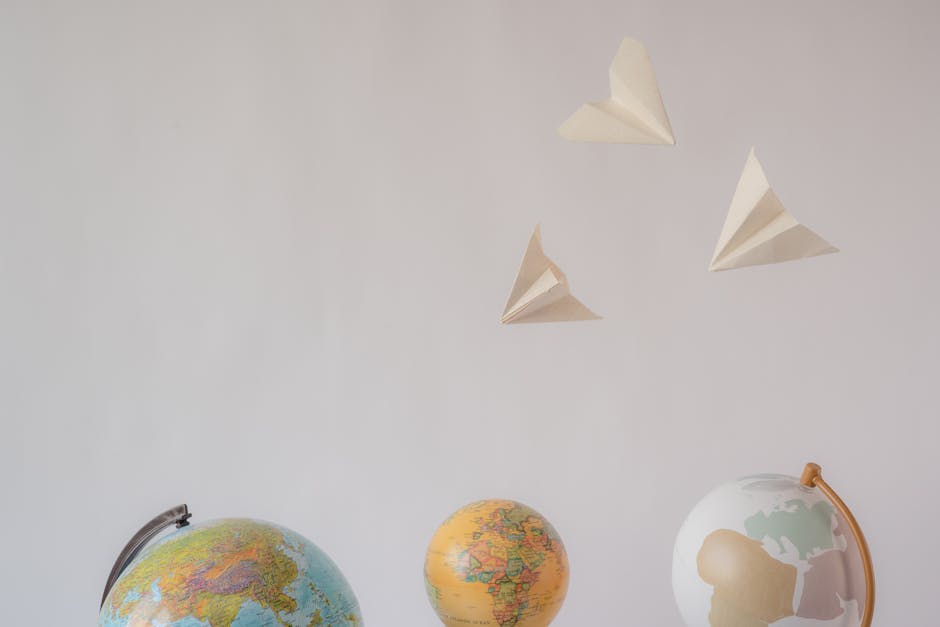
Surrounding yourself with art – both classic and contemporary – is a surefire way to ignite your own creative spark. Learning from the masters is not about imitation but about understanding their techniques, their philosophies, and their approach to visual storytelling.
1. Visit Museums and Galleries: Immerse yourself in the world of art. Spend time studying the works of artists you admire, paying attention to their use of color, composition, and technique. Don't just passively observe; actively engage with the artwork. Ask yourself what emotions it evokes, what story it tells, and what techniques the artist used to achieve their effect.
2. Study Art History: Delve into the history of art, exploring different movements, styles, and artists. Understanding the context in which art was created can provide valuable insights and inspire new ideas. Learn about the Renaissance masters, the Impressionists, the Surrealists, and the Contemporary artists who are pushing the boundaries of art today.
3. Follow Contemporary Artists: Explore the work of contemporary artists online and in galleries. See what new techniques and styles are being used, and how artists are responding to the world around them. Platforms like Instagram, Behance, and Artsy are excellent resources for discovering emerging talent.
4. Experiment with Different Styles: Don't limit yourself to one particular style or medium. Experiment with different techniques, such as watercolor, oil painting, collage, and digital art. Trying new things can help you discover your own unique artistic voice and unlock new creative possibilities.
Harness the Power of Prompts and Challenges

Sometimes, all you need is a little nudge in the right direction. Prompts and challenges can provide structure and focus, helping you overcome creative block and explore new ideas.
1. Thematic Prompts: Choose a theme, such as "nature," "city," "portrait," or "abstract," and create artwork inspired by that theme. Thematic prompts can help you focus your creativity and explore a particular subject in depth.
2. Word Prompts: Select a random word from a dictionary or online generator and use it as the basis for your artwork. Word prompts can spark unexpected connections and lead to surprising artistic ideas. For example, the word "ephemeral" might inspire a fleeting watercolor of a sunset or a delicate sculpture made of leaves.
3. Material Prompts: Challenge yourself to create artwork using only a limited set of materials. This can force you to think creatively and find innovative ways to use those materials. For example, you could create a collage using only recycled paper or a painting using only three colors.
4. Online Challenges: Participate in online art challenges, such as Inktober or Mermay. These challenges provide a daily prompt and encourage artists to create artwork on a specific theme. Participating in these challenges can help you stay motivated, improve your skills, and connect with other artists.
Embrace the Imperfect: Let Go of Expectations

Perfectionism is the enemy of creativity. The fear of making mistakes can stifle your imagination and prevent you from taking risks. It's important to embrace the imperfect and allow yourself to experiment, to make mistakes, and to learn from them.
1. Quick Sketches: Dedicate time to quick, gestural sketches. The goal is not to create a perfect representation but to capture the essence of a subject quickly and spontaneously. These sketches can be a valuable source of inspiration and can help you loosen up your style.
2. Embrace the Ugly: Don't be afraid to create artwork that you don't like. Sometimes, the most unexpected and interesting ideas emerge from the failures. Embrace the ugly and see where it leads you.
3. Focus on the Process: Shift your focus from the end result to the process of creating. Enjoy the act of drawing, painting, or sculpting, without worrying about whether the final product will be perfect. The joy of making art is in the process itself.
4. Be Kind to Yourself: Treat yourself with compassion and understanding. Don't compare yourself to other artists. Everyone has their own unique artistic journey, and it's important to celebrate your own progress and growth.
Cultivate Curiosity: Never Stop Learning
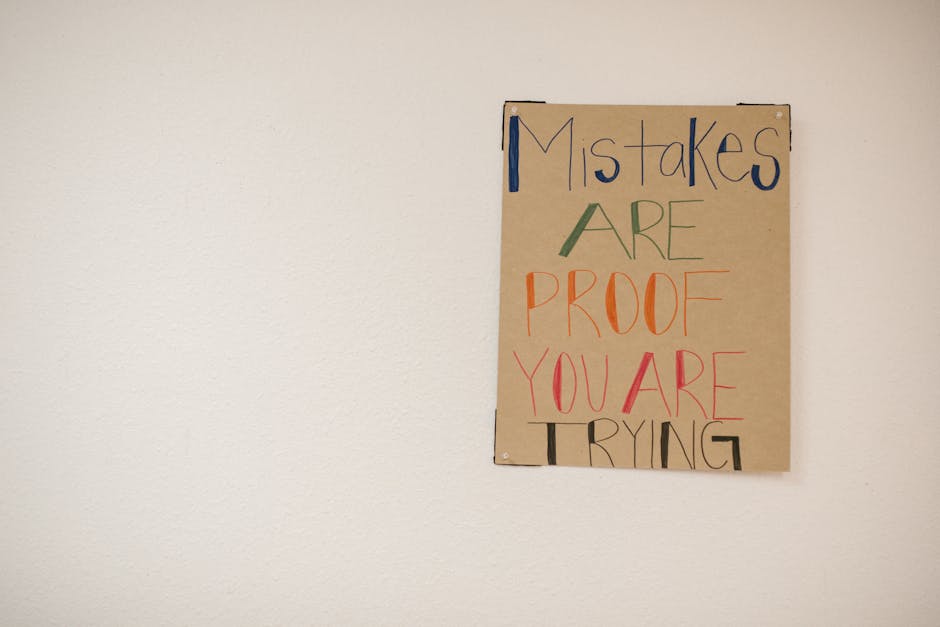
Curiosity is the engine of creativity. A curious mind is constantly seeking new information, exploring new ideas, and questioning the status quo. Cultivate your curiosity by reading widely, traveling to new places, and engaging in new experiences.
1. Read Widely: Read books on a variety of subjects, from art history to science to philosophy. Reading can expand your knowledge, broaden your perspective, and spark new ideas.
2. Travel to New Places: Travel can be a powerful source of inspiration. Experiencing new cultures, seeing new landscapes, and meeting new people can open your mind to new possibilities.
3. Learn New Skills: Learning a new skill, such as photography, calligraphy, or pottery, can stimulate your creativity and provide you with new tools for expressing yourself.
4. Ask Questions: Never stop asking questions. Question everything you see, hear, and experience. Asking questions can lead to new insights and a deeper understanding of the world around you.
So, there you have it! A treasure trove of ideas to spark your next artistic adventure. Remember, the key is to be open, curious, and playful. Don't be afraid to experiment, to make mistakes, and to let your imagination run wild. The world is your canvas, and the possibilities are endless. Now go forth and create something beautiful!
Post a Comment