How to Generate Ideas to Draw or Paint: Unleash Your Inner Artist

How to Generate Ideas to Draw or Paint: Unleash Your Inner Artist
Hello, fellow creatives! Have you ever stared blankly at a pristine canvas or a fresh sheet of paper, your mind feeling…well, blank? It's a universal artistic struggle! The dreaded "blank canvas syndrome." But fear not! Idea generation is a skill, a muscle you can flex and strengthen. I'm here to share a treasure trove of techniques, inspiration sparks, and playful prompts to ignite your artistic soul and get those creative juices flowing. Let's banish the blank canvas blues and dive into a world overflowing with ideas, just waiting to be transformed into breathtaking art.
The World as Your Muse: Observational Inspiration

The most readily available source of inspiration is right outside your window, or even within the very room you're sitting in! Training your eye to truly see the world around you is the first, fundamental step to unlocking a limitless supply of ideas.
1. Nature's Embrace:
Go for a walk in a park, forest, or even just your backyard. Pay attention to:
- The Light: How does sunlight filter through the leaves? What are the shadows doing? Observe the golden hour's warm glow, or the cool, crisp light of dawn.
- The Textures: Feel the rough bark of a tree, the smooth coolness of a stone, the velvety softness of a petal. Think about how you can translate these textures onto your canvas.
- The Colors: Really see the colors. The green of leaves isn't just "green." Is it a vibrant emerald, a muted sage, a deep forest green? Mix these colors in your mind.
- The Patterns: Look for repeating patterns in nature – the spiral of a seashell, the veins of a leaf, the branching of a tree. These patterns can form the basis of abstract or representational works.
2. Urban Exploration:
Cities are teeming with inspiration too! Don't just rush through them – observe:
- Architecture: From soaring skyscrapers to crumbling brick walls, buildings offer a wealth of geometric shapes, textures, and perspectives. Try sketching a building from a unique angle.
- Street Life: People, vehicles, street signs – capture the energy and movement of the city. Quick sketches of people in motion are a great exercise.
- Graffiti & Street Art: These often vibrant and expressive works can spark ideas for color palettes, compositions, and even subject matter.
- Found Objects: Bits of discarded metal, interesting pieces of trash, a single lost glove – these can all become intriguing elements in your artwork.
3. Everyday Objects:
Even the most mundane objects can become fascinating subjects when viewed with a creative eye. Consider:
- Still Life with a Twist: Arrange ordinary objects in unusual combinations. A teacup, a rusty wrench, and a dried flower, perhaps?
- Focus on Detail: Choose a single object and zoom in on its details. The intricate patterns of a seashell, the scratches on a worn leather shoe, the reflections in a glass of water.
- Transform the Ordinary: Imagine an everyday object in a different context. What if a stapler was a spaceship? What if a banana peel was a majestic mountain range?
Beyond the Visible: Inner Worlds and Abstract Realms

While observing the external world is crucial, don't neglect the boundless universe within your own mind! Your emotions, memories, dreams, and imagination are fertile ground for artistic exploration.
1. Emotional Landscapes:
Translate your feelings into visual form. Think about:
- Color Associations: What colors do you associate with joy, sadness, anger, peace? Use these colors to create an abstract representation of your emotion.
- Abstract Shapes and Lines: Experiment with different shapes and lines to express your feelings. Sharp, jagged lines might represent anger, while flowing, curved lines might represent peace.
- Personal Symbolism: Develop your own visual language to represent your emotions. This could involve using specific objects, animals, or symbols that have personal meaning for you.
2. Dreamscapes and Surrealism:
Dreams are a rich source of bizarre, illogical, and often deeply meaningful imagery. Explore:
- Dream Journal: Keep a dream journal and record your dreams as soon as you wake up. Pay attention to recurring themes, symbols, and emotions.
- Free Association: Choose a dream image and let your mind wander. Write down whatever comes to mind, without censoring yourself. These free associations can lead to unexpected and fascinating ideas.
- Surrealist Techniques: Explore techniques like automatic drawing, collage, and dream interpretation to create surreal and dreamlike artwork.
3. Imagination Unleashed:
Don't be afraid to let your imagination run wild! Try these prompts:
- "What if...?" Scenarios: What if animals could talk? What if the sky was green? What if you could travel through time?
- Character Creation: Imagine a character with a unique backstory, personality, and appearance. What does their world look like? What are their hopes and fears?
- World-Building: Create an entirely new world with its own unique geography, culture, and history. Draw maps, design architecture, and invent creatures.
Creative Catalysts: Prompts, Exercises, and Techniques
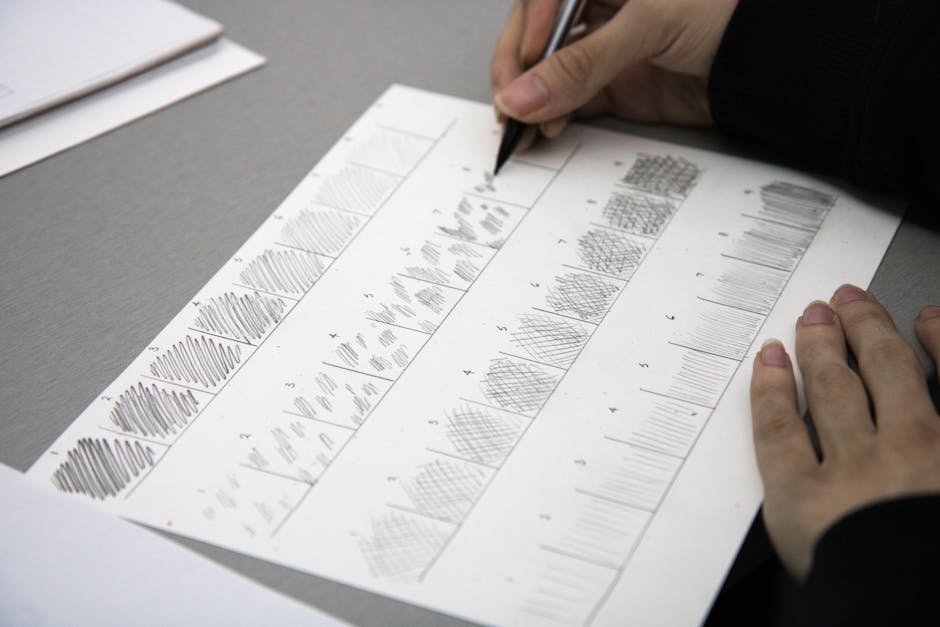
Sometimes, all you need is a little nudge to get the creative engine running. Here are some specific prompts, exercises, and techniques to jumpstart your idea generation process.
1. Prompt Power:
Here are a few prompts to get you started:
- Draw a portrait of your favorite fictional character.
- Paint a landscape inspired by a piece of music.
- Create an abstract artwork that represents the feeling of nostalgia.
- Draw a self-portrait as an animal.
- Paint a scene from a dream you had last night.
2. Artistic Exercises:
These exercises are designed to loosen you up and break through creative blocks:
- Blind Contour Drawing: Draw an object without looking at your paper. Focus only on the edges of the object.
- Gesture Drawing: Quickly sketch the essence of a figure or object in motion. Focus on capturing the energy and movement.
- Value Studies: Create a series of drawings that explore the range of values (lights and darks) in a subject.
- Color Palette Challenge: Choose a limited color palette and create a series of artworks using only those colors.
3. Technique Exploration:
Experimenting with different art techniques can also spark new ideas:
- Mixed Media: Combine different materials like paint, collage, and found objects in your artwork.
- Impasto: Apply paint thickly to the canvas to create texture and dimension.
- Watercolor Washes: Create luminous and atmospheric effects using watercolor washes.
- Digital Art: Explore digital painting and drawing using software like Procreate or Photoshop.
Gathering and Organizing Your Ideas: A Visual Journal

Now that you're overflowing with ideas, it's important to have a system for capturing and organizing them. A visual journal is the perfect tool for this!
What is a Visual Journal?
A visual journal is simply a sketchbook or notebook where you record your ideas, sketches, observations, and inspiration. It's a personal and experimental space where you can freely explore your creativity without judgment.
How to Use a Visual Journal:
- Carry it with you everywhere: You never know when inspiration will strike!
- Sketch, write, collage: Use whatever medium feels right for the moment.
- Don't be afraid to make mistakes: The visual journal is a place for experimentation, not perfection.
- Include ephemera: Tickets, receipts, leaves, feathers – anything that inspires you can be added to your journal.
- Date your entries: This will help you track your progress and see how your ideas evolve over time.
The Importance of Play and Experimentation

Above all, remember that creating art should be fun! Don't take yourself too seriously. Embrace the process of experimentation and play. Allow yourself to make mistakes and learn from them. The more you play and experiment, the more you'll discover your own unique style and voice.
Embrace the Imperfect:
Perfectionism is the enemy of creativity. Don't let the fear of making mistakes hold you back. Embrace the imperfections and flaws in your artwork. They often add character and authenticity.
Don't Compare Yourself to Others:
Everyone is on their own artistic journey. Don't compare your work to others. Focus on your own progress and celebrate your own achievements.
Find Your Tribe:
Connect with other artists and creatives. Share your work, get feedback, and support each other. Being part of a creative community can be incredibly inspiring and motivating.
Keep Creating!
The most important thing is to keep creating! The more you practice, the better you'll become at generating ideas and bringing them to life. So grab your sketchbook, your paints, and your imagination, and start creating something amazing! The world is waiting to see what you have to offer.
Now go forth and create! Let your imagination soar, your colors dance, and your artistic spirit shine. Happy creating!
Post a Comment