The Creative Process: 3 Steps to Unlock Your Hidden Potential
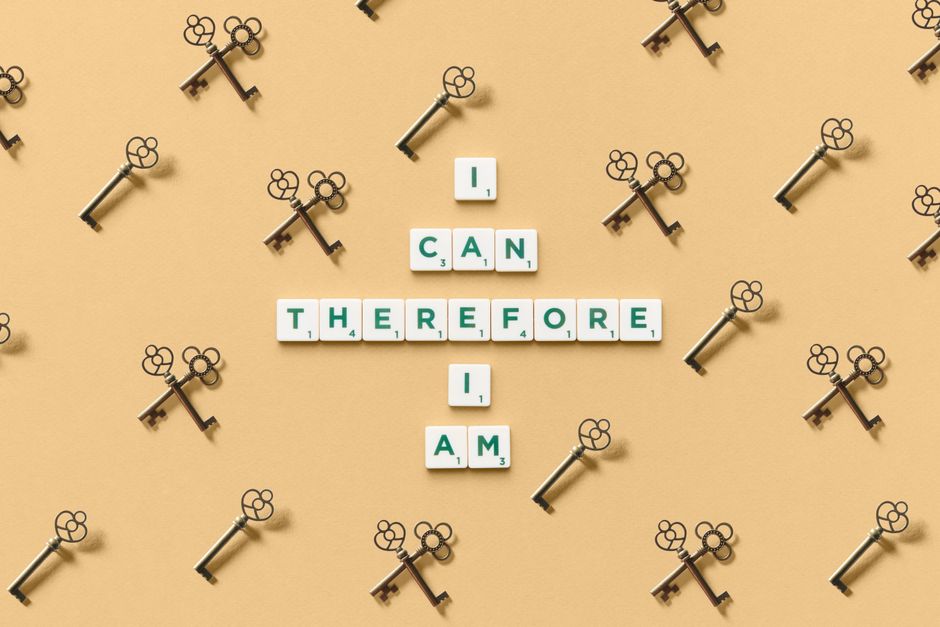
The Creative Process: 3 Steps to Unlock Your Hidden Potential
Hello, fellow dreamers and creators! Welcome to my little corner of the internet, where we celebrate the wild, untamed beauty of imagination. I'm so thrilled you're here, ready to embark on a journey of creative discovery. Today, we'll delve into the very heart of what it means to create, to bring something new and beautiful into the world. Forget formulas and rigid rules; this is about tapping into that wellspring of potential that resides within each and every one of us. We're going to explore the creative process, not as a linear path, but as a dance, a dialogue between you and your muse. So, grab a cup of something warm, settle in, and let's unlock those hidden doors!
The truth is, creativity isn't some elusive gift bestowed upon a select few. It's a muscle, a skill, that grows stronger with use. Like any skill, it benefits from understanding its foundational principles. I've spent years immersed in art, design, and visual storytelling, and I've come to believe that the creative process, in its essence, boils down to three key steps. These steps aren't always sequential; they often overlap and intertwine. Think of them as lenses through which you can focus your creative energy.
Step 1: Immersion - Diving Deep into the Unknown

This is where the magic begins. Immersion is all about surrounding yourself with inspiration, feeding your mind with new ideas, and allowing yourself to be captivated by the world around you. It's about becoming a sponge, absorbing everything that resonates with your soul. Think of it as preparing the soil for a beautiful garden – you need rich, fertile ground for your ideas to blossom.
So, how do we cultivate this fertile ground?
a. Become an Explorer: Step outside your comfort zone, both physically and mentally. Visit museums and art galleries, attend concerts, explore different cultures, read books from unfamiliar genres. Travel – even a day trip to a nearby town – can spark unexpected inspiration. The key is to expose yourself to new perspectives and experiences. Remember that time I accidentally ended up in a polka dancing festival in a small village? Unexpected, to say the least, but the vibrant colors and infectious energy fueled a whole series of paintings!
b. Cultivate Curiosity: Ask "why" and "what if" relentlessly. Don't accept things at face value. Delve deeper into the subjects that intrigue you. Read about the history of your favorite artistic medium, explore the science behind color theory, learn about the lives of influential artists. Curiosity is the engine that drives creativity. It's the voice inside that whispers, "Tell me more..."
c. Embrace Sensory Experiences: Engage all your senses. Listen to music, smell the rain, taste exotic foods, feel the texture of different materials. Sensory experiences can evoke powerful emotions and memories, which can then be translated into your creative work. I often find inspiration in the scent of old books or the feel of clay between my fingers.
d. Collect Inspiration: Keep a sketchbook, a journal, or a digital mood board. Document everything that inspires you: colors, patterns, textures, shapes, quotes, ideas, even snippets of conversations. This collection will become your personal treasure trove, a source of endless inspiration to draw upon whenever you feel stuck. My own sketchbook is a chaotic mix of doodles, watercolors, fabric swatches, and pressed flowers!
e. Unplug and Observe: In our hyper-connected world, it's easy to get lost in the noise. Make time for silence and observation. Spend time in nature, people-watch in a coffee shop, or simply sit quietly and observe your surroundings. You'll be surprised at the beauty and inspiration you can find in the ordinary. Put down your phone, turn off the notifications, and just be present.
The goal of immersion is not to copy or imitate, but to absorb, to learn, and to allow your subconscious mind to process and synthesize new information. It's about filling your creative well so that you have something to draw upon when it's time to create. Don't be afraid to experiment, to try new things, and to get lost in the process. This is where the seeds of your creative potential are sown.
Step 2: Incubation - Letting Ideas Simmer

Once you've immersed yourself in inspiration, it's time to let your ideas simmer. Incubation is the period of unconscious processing, where your mind works on the problem or project in the background. It's like marinating meat – the flavors need time to meld and deepen. This is often the most challenging step because it requires patience and trust. You have to let go of the need to control the outcome and allow your subconscious to do its work.
How do we facilitate this incubation period?
a. Step Away from the Problem: Once you've gathered your inspiration and defined your goal, consciously step away from the project. Engage in a completely different activity: go for a walk, listen to music, read a book, cook a meal, anything that takes your mind off the task at hand. This allows your subconscious mind to work on the problem without conscious interference. I find that tending to my little garden helps me immensely; the physical act of nurturing plants clears my head and allows ideas to surface.
b. Engage in Mindful Activities: Activities like meditation, yoga, or simply deep breathing can help calm the mind and create space for new ideas to emerge. Mindfulness practices allow you to become more aware of your thoughts and feelings, which can help you identify and overcome creative blocks. Think of it as creating a quiet, receptive space within yourself.
c. Sleep on It: This is perhaps the most underrated creative tool. Sleep allows your brain to consolidate memories and process information, often leading to new insights and solutions. Have you ever woken up with a brilliant idea that seemed to come out of nowhere? That's the power of sleep at work!
d. Trust the Process: This is perhaps the most crucial element of incubation. Trust that your subconscious mind is working on the problem, even if you're not consciously aware of it. Don't try to force solutions or rush the process. Be patient and allow your ideas to unfold naturally. Remember that creativity is a journey, not a destination. There will be times when you feel stuck or frustrated, but don't give up. Trust that the answers will come.
e. Embrace Boredom: In our always-on world, boredom is often seen as a negative thing. But boredom can actually be a powerful catalyst for creativity. When you're bored, your mind is forced to wander, to explore new possibilities. Allow yourself to be bored, to daydream, to simply do nothing. You might be surprised at the creative ideas that emerge.
The incubation period is a time of rest and reflection, a chance for your ideas to gestate and develop. It's a reminder that creativity is not just about hard work and effort, but also about allowing space for the unexpected to happen. Embrace the uncertainty, trust the process, and allow your subconscious to guide you.
Step 3: Illumination - The "Aha!" Moment

Ah, the glorious moment of illumination! This is the "aha!" moment, the sudden flash of insight, the moment when everything clicks into place. It's the feeling of clarity, of understanding, of knowing exactly what you need to do. This is what we've been waiting for, the culmination of immersion and incubation.
It's important to note that illumination doesn't always arrive in a dramatic, earth-shattering way. Sometimes it's a subtle shift in perspective, a gentle nudge in the right direction. Be open to these subtle cues, and be ready to capture them when they appear.
How can we encourage illumination to strike?
a. Be Prepared to Capture Ideas: The moment of illumination can be fleeting. It's like trying to catch a butterfly – if you're not ready, it will fly away. Keep a notebook, a voice recorder, or your phone handy so you can capture your ideas as soon as they surface. Don't worry about whether they're good or bad; just get them down. You can always refine them later. I keep a small notebook by my bed because inspiration often strikes me in the middle of the night!
b. Experiment and Play: Don't be afraid to experiment with different ideas and approaches. Try new techniques, mix different mediums, break the rules. Play is essential to creativity. It allows you to explore new possibilities without the pressure of having to produce a perfect result. Remember that time I accidentally spilled coffee on a watercolor painting? Instead of throwing it away, I used the coffee stain as a base for a new artwork! Serendipity can be a powerful creative force.
c. Seek Feedback: Share your ideas with trusted friends, colleagues, or mentors. Getting feedback from others can help you see your work from a different perspective and identify areas for improvement. Be open to criticism, but also trust your own intuition. Ultimately, you are the artist, and you have the final say.
d. Don't Be Afraid to Fail: Failure is an inevitable part of the creative process. Don't let the fear of failure hold you back. Embrace your mistakes, learn from them, and move on. Every failure is an opportunity to grow and improve. Remember, even the most successful artists have experienced setbacks and failures along the way. Thomas Edison famously said, "I have not failed. I've just found 10,000 ways that won't work."
e. Iterate and Refine: Once you've captured your initial idea, it's time to iterate and refine it. This is where you take your raw concept and turn it into a finished product. This may involve multiple drafts, revisions, and experiments. Be patient, persistent, and willing to make changes along the way. The creative process is rarely linear. It's often a messy, iterative process of trial and error.
The moment of illumination is not the end of the creative process, but rather the beginning of a new phase. It's the starting point for turning your ideas into reality. Embrace the challenge, trust your instincts, and keep creating!
Embracing the Creative Dance
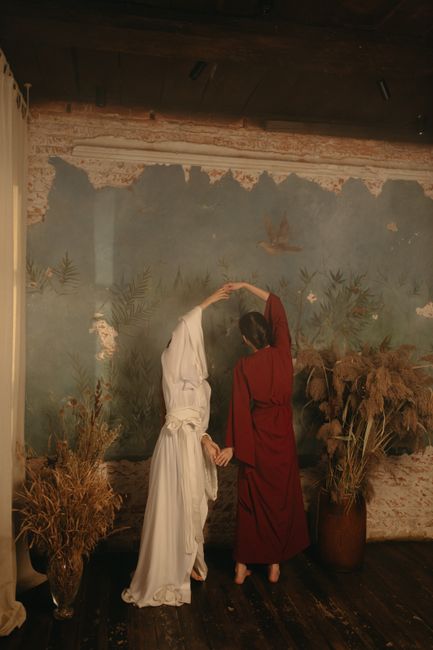
So, there you have it: Immersion, Incubation, and Illumination – the three steps to unlocking your hidden creative potential. Remember, these steps are not a rigid formula, but rather a flexible framework to guide your creative journey. They often overlap, intertwine, and repeat themselves. The creative process is a dance, a dialogue between you and your muse. It's a journey of exploration, discovery, and self-expression.
The most important thing is to embrace the process, to be open to new experiences, to trust your instincts, and to never stop creating. The world needs your unique voice, your unique perspective, your unique art. So go forth, my fellow creators, and unlock your hidden potential! Let your imagination soar, let your colors shine, and let your creativity transform the world. And remember, the journey itself is the most beautiful masterpiece of all.
Post a Comment