What's the REAL Purpose of Contemporary Art? | A Whimsical Exploration

What's the REAL Purpose of Contemporary Art? | A Whimsical Exploration
Ah, contemporary art! The mere mention of it can evoke a symphony of emotions, from profound admiration to utter bewilderment. I get it. We've all stood before a piece, perhaps at the Turner Contemporary itself, scratching our heads and murmuring, "But… what is it?" Is it just random splatters? A commentary on the futility of existence? Or perhaps… something more profound?
As a creative soul who thrives in the vibrant chaos of colors, textures, and ideas, I've often pondered this very question: what's the real purpose of contemporary art? And the answer, my friends, isn't a simple one. It's a multi-layered masterpiece, a complex dance of expression, provocation, and connection.
Beyond Pretty Pictures: The Evolving Definition

Forget the dusty textbooks and formal definitions. Let's ditch the idea that art solely exists to depict beauty, though it certainly can do that! Contemporary art, in its wonderfully rebellious spirit, throws those old rules out the window. It's an ongoing conversation, a reflection of our ever-changing world. It's about challenging assumptions, pushing boundaries, and sparking dialogue.
Think of it as a mirror reflecting society back at itself, warts and all. Sometimes it's a flattering portrait, sometimes it's a distorted funhouse mirror, and sometimes... well, sometimes it's just a mirror covered in glitter. But each reflection offers a unique perspective.
The Many Hats of Contemporary Art

So, if it's not just about pretty pictures, what roles does contemporary art play? Let's explore some of its many facets:
- A Social Commentary: Art can be a powerful tool for social change. It can shine a light on injustice, inequality, and the uncomfortable truths that often get swept under the rug. Think of Banksy's poignant street art or Barbara Kruger's bold, politically charged collages. These pieces aren't just aesthetically pleasing; they're a call to action.
- A Provocation of Thought: Often, contemporary art aims to make us think. It challenges our preconceived notions, forces us to question the status quo, and encourages us to see the world from a different angle. Marcel Duchamp's "Fountain," a urinal presented as art, is a prime example. It wasn't about the beauty of the object itself, but about the very definition of art.
- An Exploration of Identity: Art is a powerful medium for exploring personal and collective identities. It allows artists to delve into their own experiences, cultures, and beliefs, and to share those insights with the world. Frida Kahlo's self-portraits, for instance, are a deeply personal exploration of her identity as a woman, an artist, and a Mexican.
- An Emotional Outlet: Creating art can be a deeply cathartic experience for the artist. It's a way to process emotions, express inner turmoil, and find solace in the act of creation. Think of Vincent van Gogh's turbulent brushstrokes, reflecting his inner struggles and emotional intensity.
- A Celebration of Imagination: At its core, art celebrates the power of imagination. It allows us to escape the mundane, explore fantastical worlds, and dream of possibilities beyond the limitations of reality. Surrealist artists like Salvador Dalí understood this perfectly, creating dreamlike landscapes that defied logic and reason.
- A Visual Storyteller: Art, in many ways, is visual storytelling. It can convey narratives, evoke emotions, and transport us to different times and places. Think of the epic history paintings of the Renaissance or the evocative photography of Dorothea Lange.
Decoding the Mystery: How to Engage with Contemporary Art

So, how do we navigate the sometimes-turbulent waters of contemporary art? How do we move beyond the initial confusion and truly engage with the work?
Here are a few tips, gathered from years of wandering through galleries and studios, and fueled by endless curiosity:
- Do Your Research: Before you visit an exhibition, take some time to learn about the artist and their work. Read their artist statement, explore their website, and see if there are any interviews available. Understanding the artist's background and intentions can provide valuable context.
- Read the Labels: Don't underestimate the power of the exhibition label! It often provides crucial information about the piece, such as the title, medium, and date of creation. It might also include insights from the artist or curator.
- Take Your Time: Don't rush through the exhibition. Spend some time with each piece, allowing yourself to truly absorb the work. Notice the colors, textures, shapes, and composition. What feelings do they evoke in you?
- Ask Questions: Don't be afraid to ask questions! If you're at a gallery or museum, the staff are there to help you. Ask them about the artist, the work, or the exhibition as a whole.
- Trust Your Instincts: Ultimately, your interpretation of a work of art is valid. There's no right or wrong answer. Trust your instincts and allow yourself to be moved by the piece in your own way.
- Embrace the Ambiguity: Contemporary art often embraces ambiguity. It's not always meant to be easily understood. Sometimes, the very act of questioning and interpreting is the point.
The Turner Contemporary: A Beacon of Contemporary Creativity
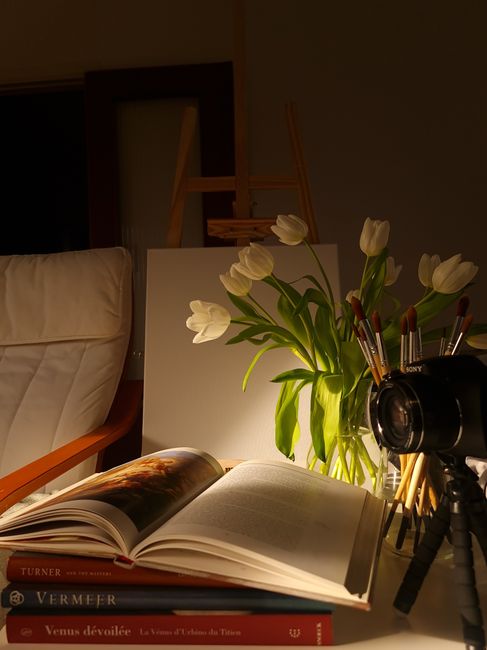
Speaking of engaging with contemporary art, the Turner Contemporary in Margate is a treasure trove of thought-provoking and visually stimulating experiences. It's a place where you can witness firsthand the power of art to challenge, inspire, and connect.
The exhibitions at the Turner Contemporary often showcase a diverse range of artists and perspectives, offering a glimpse into the ever-evolving landscape of contemporary art. Whether it's exploring themes of identity, environmentalism, or social justice, the Turner Contemporary provides a platform for artists to engage with the issues that matter most to them.
And beyond the exhibitions, the Turner Contemporary also offers a variety of events and programs, including artist talks, workshops, and family activities. These events provide opportunities to learn more about contemporary art, connect with other art enthusiasts, and even try your hand at creating your own masterpieces.
Beyond the Gallery Walls: The Impact of Art on Our Lives
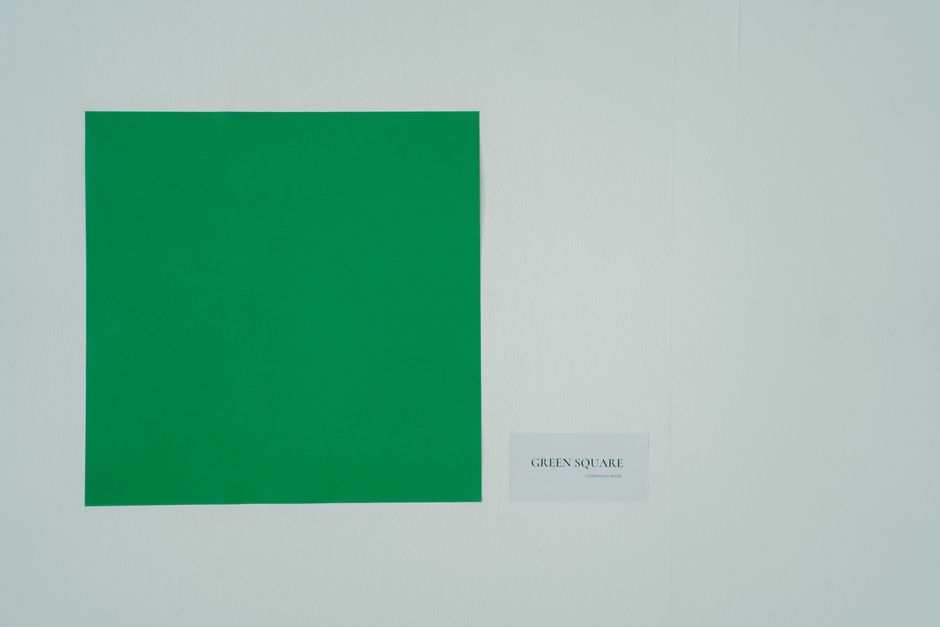
The influence of contemporary art extends far beyond the confines of galleries and museums. It seeps into our everyday lives, shaping our perceptions, influencing our design choices, and inspiring our own creative endeavors.
Think about the fashion you wear, the advertisements you see, the architecture you admire. All of these are influenced by the trends and ideas circulating in the art world. Contemporary art encourages us to think critically about the world around us, to question the status quo, and to embrace innovation and creativity in all aspects of our lives.
It encourages us to be bolder in our own self-expression, to find beauty in the unexpected, and to appreciate the power of human imagination.
Finding Meaning in the Abstract

Sometimes, contemporary art presents itself as abstract expressionism, with layers of color and form seemingly without reason. But beneath the surface, artists like Mark Rothko or Jackson Pollock were exploring deep themes. For Rothko, his blocks of color were meant to evoke fundamental human emotions, from joy to despair. For Pollock, the action of painting itself became a performance, a dance between artist and canvas, resulting in complex webs of paint that capture movement and energy.
Even when a piece feels indecipherable, try to connect with its raw emotion. Does the color palette create a sense of calm or chaos? Does the texture feel inviting or unsettling? Let your intuition guide you, and allow the artwork to speak to you on a visceral level. This can often unlock a deeper understanding than trying to dissect it logically.
The Future of Contemporary Art

Looking ahead, the future of contemporary art is as boundless as the imagination itself. New technologies, shifting social landscapes, and evolving cultural perspectives will continue to shape the direction of art.
We are already seeing the rise of digital art, immersive installations, and collaborative art projects that blur the lines between artist and audience. As our world becomes increasingly interconnected, art will continue to serve as a vital tool for communication, connection, and social change.
A Final Thought: Embrace the Journey

Ultimately, the "real" purpose of contemporary art is what you make it. It's a personal journey of discovery, interpretation, and connection. Don't be afraid to embrace the ambiguity, to challenge your assumptions, and to allow yourself to be moved by the power of art.
So, the next time you find yourself standing before a perplexing piece of contemporary art, remember this: it's not about finding the "right" answer. It's about asking the right questions. It's about engaging with the work on your own terms and allowing it to spark your imagination, challenge your thinking, and enrich your understanding of the world around you. And perhaps, just perhaps, it's about discovering a little bit more about yourself in the process. Now, isn't that a beautiful thought?
Post a Comment