What's the REAL Purpose of Contemporary Art? Unveiling Its Heart & Soul

What's the REAL Purpose of Contemporary Art? Unveiling Its Heart & Soul
Ah, contemporary art. A phrase that can conjure up images of, well, just about anything! From colossal inflatable sculptures to seemingly blank canvases fetching millions, it often leaves people scratching their heads and asking the age-old question: "But… is it art? And what's the point anyway?" As someone who's knee-deep in the creative world, I understand the confusion. But let me tell you, diving into contemporary art is like stepping into a wonderland of ideas, emotions, and conversations. It's less about pretty pictures and more about the why behind them.
Beyond the Frame: Shifting Perceptions of Art

To understand the purpose of contemporary art, we need to first shed some old assumptions. For centuries, art was primarily about representation – accurately depicting the world around us. Think portraits of kings and queens, landscapes that mirrored reality, and still lifes that captured the beauty of everyday objects. These were often tied to patronage, religious institutions, or historical documentation. But as we moved into the 20th and 21st centuries, things started to… well, splatter in new directions, much like a Jackson Pollock painting. 😉
The advent of photography played a significant role in this shift. Suddenly, the ability to capture reality was no longer the exclusive domain of painters. Artists were free to explore abstraction, expressionism, and a whole host of other movements that challenged the very definition of art. And that, my friends, is where things get interesting.
The Heart of the Matter: Purposes Unveiled
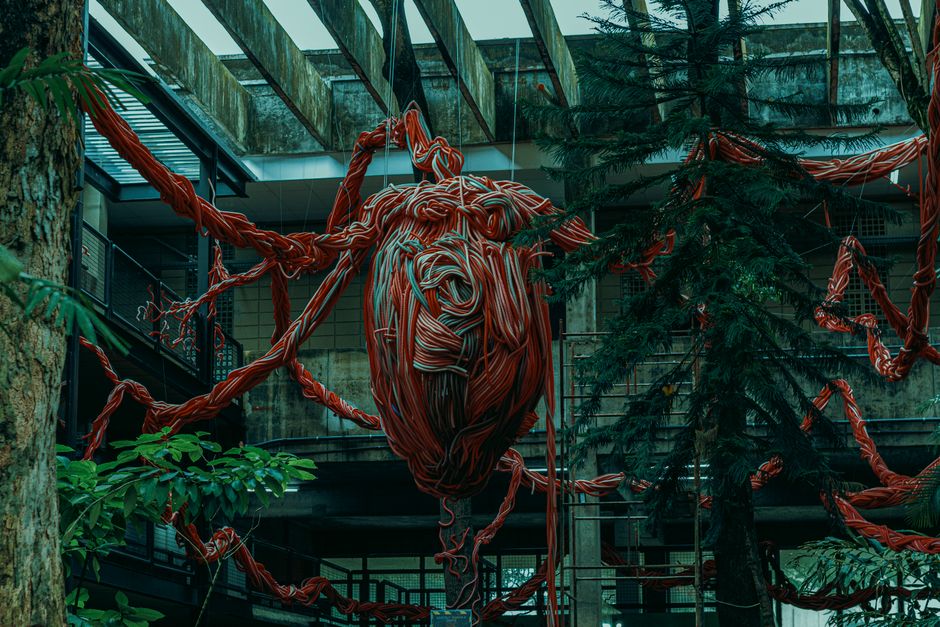
So, what is the real purpose of contemporary art? Buckle up, because it's not a single answer but a beautiful bouquet of them:
- Sparking Dialogue and Critical Thinking: Contemporary art often acts as a mirror reflecting society back at itself. It can be provocative, challenging, and uncomfortable, forcing us to confront difficult issues like social injustice, political corruption, environmental concerns, and identity politics. Think of Banksy's street art – a playful yet poignant commentary on consumerism, war, and power structures.
- Expressing Personal and Collective Experiences: Art allows artists to externalize their inner worlds, translate personal experiences into a visual language that resonates with others. This can be incredibly powerful, creating a sense of shared humanity and understanding. Frida Kahlo's self-portraits, for example, are raw and honest depictions of pain, resilience, and the female experience.
- Experimenting with New Materials and Techniques: Contemporary artists are constantly pushing boundaries, exploring new materials, technologies, and processes. They might use recycled materials, digital media, performance art, or installation art to create immersive and interactive experiences. This experimentation leads to innovation and challenges our preconceived notions of what art can be.
- Challenging Conventions and Assumptions: Remember Marcel Duchamp's "Fountain," a porcelain urinal submitted to an art exhibition in 1917? It caused an uproar! But it also forced people to question what constitutes art and who gets to decide. Contemporary art often deliberately subverts expectations and challenges established norms, opening up new possibilities for creative expression.
- Providing Aesthetic Pleasure and Emotional Resonance: While contemporary art isn't always about "pretty pictures," it can still offer moments of profound aesthetic pleasure and emotional resonance. A beautifully crafted sculpture, a captivating video installation, or a thought-provoking photograph can evoke feelings of awe, wonder, sadness, joy, or even discomfort. These emotional responses are a vital part of the art experience.
- Preserving Culture and History: Art acts as a living record of our times, reflecting the cultural, social, and political landscape in which it was created. It helps us understand the past, make sense of the present, and imagine the future. For example, the AIDS Memorial Quilt is a powerful testament to the impact of the AIDS epidemic and a moving tribute to those who lost their lives.
Turner Contemporary: A Beacon of Inspiration
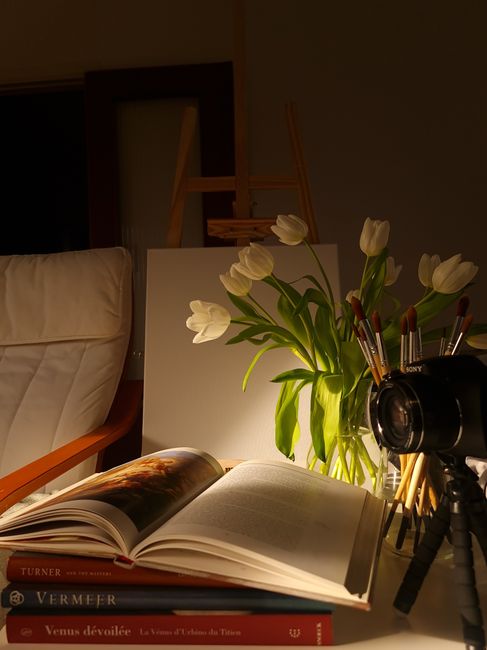
Speaking of understanding contemporary art, let's talk about Turner Contemporary! Located in Margate, UK, this gallery is a fantastic example of an institution that champions bold and innovative artistic expression. Named after J.M.W. Turner, the renowned landscape painter, it carries on his legacy of pushing artistic boundaries. Turner Contemporary showcases a diverse range of exhibitions, from established international artists to emerging talents, offering a platform for thought-provoking and engaging art experiences.
What I love most about places like Turner Contemporary is their commitment to making art accessible to everyone. They offer educational programs, workshops, and talks that help demystify contemporary art and encourage visitors to form their own opinions. Visiting a contemporary art gallery can be a truly transformative experience. It's a chance to step outside your comfort zone, challenge your assumptions, and discover new perspectives on the world.
Navigating the World of Contemporary Art: Tips for the Curious

Feeling intrigued but a little intimidated? Don't worry! Here are a few tips to help you navigate the world of contemporary art:
- Embrace Open-mindedness: Approach each artwork with an open mind and a willingness to engage with it on its own terms. Don't judge it based on whether it conforms to your preconceived notions of what art should be.
- Do Your Research: Read about the artist, the context in which the work was created, and any relevant art historical movements. This can provide valuable insights into the artist's intentions and the meaning behind the work.
- Trust Your Gut: Ultimately, your personal response to a work of art is what matters most. Don't be afraid to have your own opinions, even if they differ from those of critics or experts.
- Ask Questions: Don't be afraid to ask questions at galleries or museums. The staff are there to help you understand the art and engage with it on a deeper level.
- Visit Galleries and Museums Regularly: The more you expose yourself to contemporary art, the more comfortable you will become with it. Check out local galleries, museums, and art festivals in your area.
- Engage in Discussions: Talk to your friends, family, or fellow art enthusiasts about the art you've seen. Sharing your thoughts and perspectives can deepen your understanding and appreciation.
- Remember, it's okay not to "get it": Not every artwork will resonate with you, and that's perfectly fine. The beauty of art is that it's subjective. What one person finds profound, another might find confusing or uninteresting.
The Joy of Making and Experiencing Art

Beyond the intellectual and conceptual aspects, let's not forget the sheer joy of making and experiencing art! There's something incredibly satisfying about creating something from nothing, whether it's a painting, a sculpture, a photograph, or a performance. And there's something equally rewarding about encountering a work of art that moves you, challenges you, or simply makes you smile.
Art is a powerful form of communication, a way to connect with others on a deeper level, and a source of endless inspiration. It can enrich our lives in countless ways, expanding our horizons, challenging our perspectives, and fostering a greater appreciation for the beauty and complexity of the world around us.
Contemporary Art: A Constant Evolution

It's crucial to remember that contemporary art is constantly evolving. What's considered cutting-edge today might be commonplace tomorrow. This constant evolution is what keeps the art world vibrant and exciting. It challenges us to stay curious, to question our assumptions, and to embrace the unexpected.
Think about the rise of digital art, NFTs (Non-Fungible Tokens), and AI-generated art. These new forms of artistic expression are rapidly changing the landscape of the art world, blurring the lines between the physical and digital realms. While some may view these developments with skepticism, they also offer incredible opportunities for creativity and innovation.
Final Thoughts: Embracing the Ambiguity

Ultimately, the "real purpose" of contemporary art is not a fixed destination but a continuous journey. It's a journey of exploration, experimentation, and self-discovery. It's a journey that invites us to engage with the world in new and meaningful ways. It's a journey that embraces ambiguity, celebrates diversity, and reminds us of the power of human creativity.
So, the next time you encounter a piece of contemporary art that leaves you scratching your head, take a moment to pause, to breathe, and to consider the possibilities. Maybe, just maybe, it will open your mind to a whole new world of ideas and emotions. And who knows, you might even discover something new about yourself along the way.
Now, go forth and explore! Let your curiosity be your guide, and let the magic of art inspire you. ✨
Post a Comment