What's the REAL Purpose of Contemporary Art? A Whimsical Dive

What's the REAL Purpose of Contemporary Art? A Whimsical Dive
Contemporary art... sigh. Just saying it conjures images, doesn't it? Perhaps a room bathed in stark white light, housing a single banana duct-taped to a wall, or maybe a sprawling installation of found objects that makes you tilt your head in quizzical wonder. But what is its real purpose? Is it merely to provoke? To confuse? Or is there something far more profound bubbling beneath the surface of all that perceived weirdness?
I've spent a good portion of my life wandering through galleries, sketching in museums, and generally losing myself in the world of art and design. It's more than a passion for me; it's the very air I breathe. And I've come to believe that the "real" purpose of contemporary art is multifaceted, a shimmering prism reflecting different facets of our world, our experiences, and our very selves.
More Than Meets the Eye: Debunking the Myths

Let's be honest, contemporary art often gets a bad rap. It's labeled as pretentious, inaccessible, and sometimes even a complete waste of resources. "My kid could do that!" is a phrase I've heard uttered more times than I can count. But to dismiss it so readily is to miss the point entirely.
One of the biggest myths is that contemporary art is simply about being shocking. While some artists do intentionally push boundaries (and there's a place for that, too!), the vast majority are striving to communicate something deeper, to explore complex ideas, and to engage in a dialogue with the world around them.
Another common misconception is that you need to be an "expert" to understand it. Art appreciation isn't about deciphering hidden codes or possessing a PhD in art history. It's about allowing yourself to connect with the work on an emotional and intellectual level, and to be open to different interpretations.
The Many Purposes of Contemporary Art: A Colorful Palette

So, what are those deeper purposes? Let's delve into some of the key roles contemporary art plays in our lives and society:
1. Reflection and Commentary: Contemporary art often acts as a mirror, reflecting the anxieties, triumphs, and complexities of our time. It can be a powerful tool for social commentary, challenging norms, questioning power structures, and shedding light on important issues like climate change, social injustice, and political corruption. Think of Banksy's street art, using satire and subversive imagery to critique consumerism and political hypocrisy. It's not just graffiti; it's a conversation starter.
2. Exploration and Experimentation: Artists are inherently curious creatures, constantly pushing the boundaries of what's possible. Contemporary art provides a space for experimentation with new materials, techniques, and ideas. It's a playground for innovation, where artists can break free from traditional constraints and explore uncharted territories. Consider the work of Olafur Eliasson, who blends art and science to create immersive installations that explore perception, climate change, and the relationship between humans and the environment.
3. Provocation and Dialogue: Yes, sometimes art is meant to provoke. Not for the sake of shock value alone, but to challenge our assumptions, to force us to confront uncomfortable truths, and to spark meaningful conversations. Art can be a catalyst for change, prompting us to question our beliefs and to see the world from different perspectives. Marina Abramović's performance art, for example, often pushes physical and emotional boundaries, challenging audiences to confront their own vulnerability and mortality.
4. Emotional Expression and Catharsis: Art is a powerful outlet for emotional expression. Artists use their work to process their own experiences, to explore their inner worlds, and to communicate feelings that are difficult to articulate in words. And in turn, their art can resonate with viewers on a deeply personal level, offering solace, validation, and a sense of connection. Think of Frida Kahlo's self-portraits, which explore themes of pain, identity, and resilience with unflinching honesty.
5. Aesthetic Experience and Beauty: While not always the primary focus, aesthetic beauty still holds a place in contemporary art. Artists often strive to create visually stimulating and emotionally resonant experiences, using color, form, texture, and composition to evoke feelings of awe, wonder, and delight. Even in works that are intentionally challenging or confrontational, there can be a certain aesthetic power that draws us in and captivates our attention. Take Yayoi Kusama's Infinity Mirror Rooms. They don't necessarily scream politics but offer an immersive, captivating experience that's hard to forget.
6. Preservation of Culture and History: Art serves as a visual record of our time, preserving cultural traditions, historical events, and personal stories for future generations. It can offer valuable insights into the past, helping us to understand where we came from and to appreciate the diversity of human experience. Think of the works of Kara Walker, who uses silhouette cutouts to explore themes of race, gender, and violence in American history.
Turner Contemporary: A Case Study in Purpose
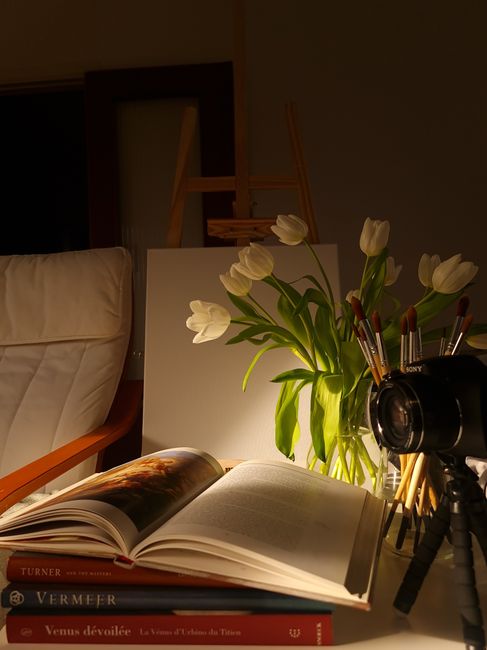
Let's bring it back to the initial prompt: Turner Contemporary. This gallery, situated in Margate, England, is a shining example of how contemporary art can serve multiple purposes. It's named after J.M.W. Turner, the famed Romantic painter who found inspiration in the dramatic seascapes of the area. However, Turner Contemporary is far from a dusty museum dedicated to the past.
It showcases cutting-edge contemporary art, often with a focus on work that engages with the local environment and community. It's a space where artists can experiment, challenge conventions, and explore relevant social and political issues. It brings world-class art to a coastal town, fostering a sense of pride and cultural enrichment. It's a place where visitors can encounter new ideas, engage in thoughtful conversations, and be inspired to see the world in a new light.
Turner Contemporary doesn't shy away from challenging work. It embraces the diverse voices of contemporary artists and provides a platform for them to share their perspectives with the world. It understands that art is not just about pretty pictures; it's about ideas, emotions, and experiences.
Finding Your Own Meaning: Embracing the Subjectivity of Art

Ultimately, the "real" purpose of contemporary art is subjective and personal. What one person finds meaningful, another may find confusing or irrelevant. And that's perfectly okay! Art is not about finding the "right" answer; it's about asking the right questions. It's about engaging with the work on your own terms, drawing your own conclusions, and allowing yourself to be moved, challenged, or inspired.
So, how do you find your own meaning in contemporary art? Here are a few tips:
a. Be Open-Minded: Approach each artwork with curiosity and a willingness to see things from a different perspective. Try to suspend your judgment and allow yourself to experience the work without preconceived notions.
b. Do Your Research: If you're struggling to understand a particular artwork, take some time to learn more about the artist, their process, and the context in which the work was created. Gallery labels, artist statements, and online resources can provide valuable insights.
c. Trust Your Instincts: Don't be afraid to rely on your own emotional and intellectual responses. If a work resonates with you on a personal level, that's a valid and meaningful connection, regardless of what anyone else thinks.
d. Engage in Conversation: Talk to other people about the art you're seeing. Share your thoughts and feelings, and listen to their perspectives. You might be surprised at what you learn.
e. Don't Be Afraid to Dislike Something: Not every artwork is going to appeal to you, and that's perfectly fine. Disliking a piece can be just as valuable as liking it, as it can help you to clarify your own aesthetic preferences and values.
f. Visit a Variety of Galleries and Museums: Exposure to a wide range of contemporary art will broaden your horizons and help you to develop your own critical eye.
g. Create Your Own Art: Even if you don't consider yourself an artist, engaging in creative activities can help you to better understand the artistic process and to appreciate the challenges and rewards of making art.
A Final Thought: The Enduring Power of Creativity

In conclusion, the "real" purpose of contemporary art is not a single, definitive answer, but rather a constellation of interconnected ideas, emotions, and experiences. It's about reflection, exploration, provocation, expression, aesthetics, and preservation. It's about challenging our assumptions, sparking conversations, and inspiring us to see the world in new ways.
It's about the enduring power of human creativity to transform our lives and to shape our understanding of ourselves and the world around us. So, the next time you find yourself standing in front of a perplexing piece of contemporary art, don't be afraid to ask yourself: What is this trying to tell me? And more importantly, what does it mean to me?
Because ultimately, the true purpose of art lies not in the object itself, but in the connection it fosters between the artist, the artwork, and the viewer. It's in the shared experience of witnessing, questioning, and ultimately, understanding the messy, beautiful, and endlessly fascinating world we inhabit.
Now go forth and explore! The world of art awaits.
Post a Comment