Why Art Matters: Insights from Katerina Gregos and Beyond

Why Art Matters: Insights from Katerina Gregos and Beyond
Oh, art! My dearest companion, my constant muse, the breath in my creative sails. Have you ever paused to truly consider its profound impact on our lives? Not just as pretty pictures hanging on walls, but as a fundamental force shaping our understanding of the world and ourselves? It's more vital than ever, and the "Why Art is Important" TEDxGhent talk by the brilliant Katerina Gregos sparked a fresh wave of inspiration within me. Let's dive in, shall we? Think of this as a colourful exploration, a dance between reason and pure, unadulterated feeling.
Katerina Gregos: Art as a Societal Mirror and Catalyst
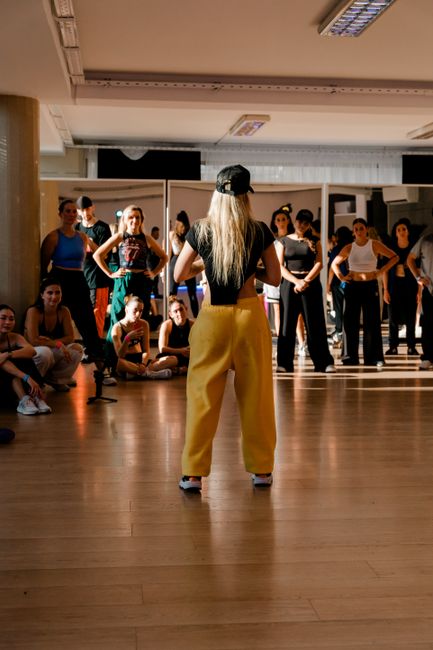
Gregos, a renowned curator and writer, eloquently argues that art acts as both a mirror reflecting society's complexities and a catalyst for positive change. It's not simply about aesthetics, though beauty undeniably plays a part. It's about challenging norms, questioning power structures, and fostering empathy. She highlights art's potential to address pressing social and political issues, offering alternative perspectives and sparking crucial conversations. That's powerful stuff!
She emphasizes how art allows us to grapple with uncomfortable truths, things we might otherwise shy away from. It provides a safe space to explore difficult topics, prompting critical thinking and a deeper understanding of the human condition. Think about protest art, or art that highlights environmental issues. It's not just "pretty pictures"; it's a call to action, a visual manifesto.
Beyond the Canvas: Art's Multifaceted Roles

Beyond Gregos's insightful observations, I believe art's importance extends even further. Let's consider its myriad roles:
- Art as a Historical Record: From cave paintings to Renaissance masterpieces, art provides invaluable glimpses into past civilizations. It tells stories that history books often overlook, revealing the beliefs, values, and daily lives of people who came before us. It's like stepping into a time machine, only instead of a clunky contraption, you have a brushstroke, a chisel, a carefully chosen colour palette.
- Art as a Form of Communication: Long before written language, art was a primary means of communication. Symbols, patterns, and visual narratives conveyed complex ideas and emotions. Even today, art transcends language barriers, connecting people from different cultures and backgrounds through shared experiences. A photograph can speak volumes without uttering a single word. A sculpture can evoke feelings that are impossible to describe.
- Art as a Source of Inspiration and Creativity: Exposure to art, whether creating it or simply experiencing it, ignites our imaginations and sparks new ideas. It encourages us to think outside the box, to challenge assumptions, and to see the world in new and exciting ways. It fuels innovation and problem-solving in all aspects of life. Ever felt stuck on a project, then visited a museum and had a sudden epiphany? That's the power of art at work!
- Art as a Therapeutic Tool: Art therapy is a recognized form of treatment for a wide range of mental and emotional health issues. The act of creating art can be incredibly cathartic, allowing us to express emotions that are difficult to articulate verbally. It can also promote self-awareness, reduce stress, and improve overall well-being. I know I personally find painting incredibly grounding after a hectic day.
- Art as a Builder of Community: Public art installations, community art projects, and shared creative spaces bring people together. They foster a sense of belonging, promote dialogue, and revitalize neighborhoods. Art has the power to transform neglected spaces into vibrant hubs of activity. Think of the murals that adorn city walls, turning drab concrete into expressions of community pride.
- Art as an Economic Driver: The art world is a significant contributor to the economy, supporting artists, galleries, museums, and a whole ecosystem of related businesses. Art tourism attracts visitors from around the globe, generating revenue and creating jobs. And let's not forget the value of art as an investment. While that's not its primary purpose, it's undeniable that art can be a valuable asset.
Nurturing Your Inner Artist (Even If You Think You Don't Have One!)

Many people mistakenly believe that art is only for "artists" – a select few who possess some innate talent. But I wholeheartedly disagree! Creativity is a fundamental human capacity, and everyone has the potential to express themselves artistically. It's not about producing masterpieces; it's about the process of exploration, experimentation, and self-discovery.
Here are a few ways to nurture your inner artist:
- Experiment with different mediums: Don't be afraid to try new things! Explore painting, drawing, sculpting, photography, digital art, collage, textiles – the possibilities are endless. You might discover a hidden passion you never knew you had. I once tried pottery on a whim and was immediately hooked!
- Take a class or workshop: Learning from experienced artists can provide you with valuable skills and techniques. Plus, it's a great way to connect with other creative souls.
- Visit museums and galleries: Immerse yourself in the world of art. Observe, reflect, and allow yourself to be inspired. Pay attention to the details – the colours, the textures, the composition.
- Engage with art online: There's a wealth of art resources available online, from virtual museum tours to online tutorials. Follow artists you admire on social media. Explore online art communities.
- Make time for creative play: Schedule time in your day, even just 15 minutes, to engage in creative activities. It could be doodling, writing poetry, playing music, or simply daydreaming.
- Don't be afraid to make mistakes: Art is about experimentation and learning. Don't let the fear of failure hold you back. Embrace the process and allow yourself to make "mistakes" – they often lead to unexpected discoveries.
- Find your artistic tribe: Surround yourself with people who support and encourage your creative endeavors. Share your work, get feedback, and collaborate on projects.
The Modern Renaissance: Art in the Digital Age

We live in an age of unprecedented technological advancement, and art is evolving alongside it. Digital art, interactive installations, and virtual reality experiences are pushing the boundaries of what's possible. Technology is providing artists with new tools and platforms to create and share their work with a global audience. This is both exciting and slightly intimidating, but ultimately, I believe it's a positive development.
Think about the rise of digital illustration, motion graphics, and 3D art. These mediums are transforming industries like animation, gaming, and advertising. And let's not forget the power of social media to democratize art, allowing artists to bypass traditional gatekeepers and connect directly with their fans. Instagram, Behance, and other platforms have become vital outlets for artists to showcase their work and build their careers.
However, the digital age also presents challenges. Issues like copyright infringement, algorithmic bias, and the devaluing of creative work need to be addressed. We must ensure that artists are fairly compensated for their work and that the digital landscape remains a welcoming and supportive environment for creativity.
Art as a Path to Understanding and Empathy

Ultimately, the importance of art lies in its ability to connect us to our shared humanity. It allows us to see the world through different eyes, to understand different perspectives, and to develop empathy for others. In a world that often feels divided, art can serve as a bridge, fostering dialogue, promoting understanding, and reminding us of our common bonds.
When we engage with art, we're not just looking at pretty pictures or listening to beautiful music. We're engaging with ideas, emotions, and experiences that can challenge our assumptions, broaden our horizons, and deepen our understanding of ourselves and the world around us. It allows us to ask those big, uncomfortable questions without necessarily having all the answers. And that, my friends, is a truly beautiful thing.
A Call to Action: Support Art in All Its Forms

So, what can you do to support art and its vital role in society? Here are a few ideas:
- Visit museums and galleries: Show your support for artists and cultural institutions by attending exhibitions and events.
- Buy art: If you can afford it, consider purchasing artwork from emerging or established artists. You'll be supporting their work and adding beauty to your life.
- Support arts education: Advocate for arts education in schools and communities. Ensure that all children have access to creative opportunities.
- Share art you love: Use social media to share artwork that inspires you. Spread the word and help artists gain exposure.
- Attend art festivals and events: Immerse yourself in the vibrant atmosphere of art festivals and community art projects.
- Donate to art organizations: Support organizations that promote and support the arts.
- Simply appreciate art: Take the time to notice and appreciate the art that surrounds you every day – from the architecture of buildings to the design of everyday objects.
Let's embrace art not just as a luxury, but as a necessity. Let's champion creativity, celebrate imagination, and recognize the profound impact that art has on our lives, our communities, and our world. As Katerina Gregos so eloquently stated, art is vital. And I couldn't agree more.
Now, go forth and create something beautiful! Or simply go look at something beautiful. Either way, engage with art. Your soul will thank you for it.
Post a Comment