Why Art Matters: A Journey with Katerina Gregos and the Heart of Creativity

Why Art Matters: A Journey with Katerina Gregos and the Heart of Creativity
Imagine a world devoid of color, texture, and the whispers of untold stories. A world where imagination gathers dust and the human spirit forgets how to soar. A bleak place, isn't it? And that, my friends, is precisely why art is not just important; it's utterly, vitally, irrevocably essential.
As a creative soul, someone who finds solace and inspiration in the dance of light and shadow, the curve of a line, and the boundless possibilities of a blank canvas, I've always felt a deep connection to the artistic pulse that runs through humanity. It's not just about pretty pictures, darling. It's about something far more profound.
Recently, I stumbled upon a gem of a TEDx talk by Katerina Gregos at TEDxGhent, and it only served to solidify my conviction. Gregos, a curator with a keen eye and an even keener mind, eloquently articulated the significance of art in our world, particularly in challenging times. Her words resonated deeply, like a perfectly tuned chord, and I felt compelled to share my own reflections on why art matters so much.
Art as a Mirror and a Magnifying Glass
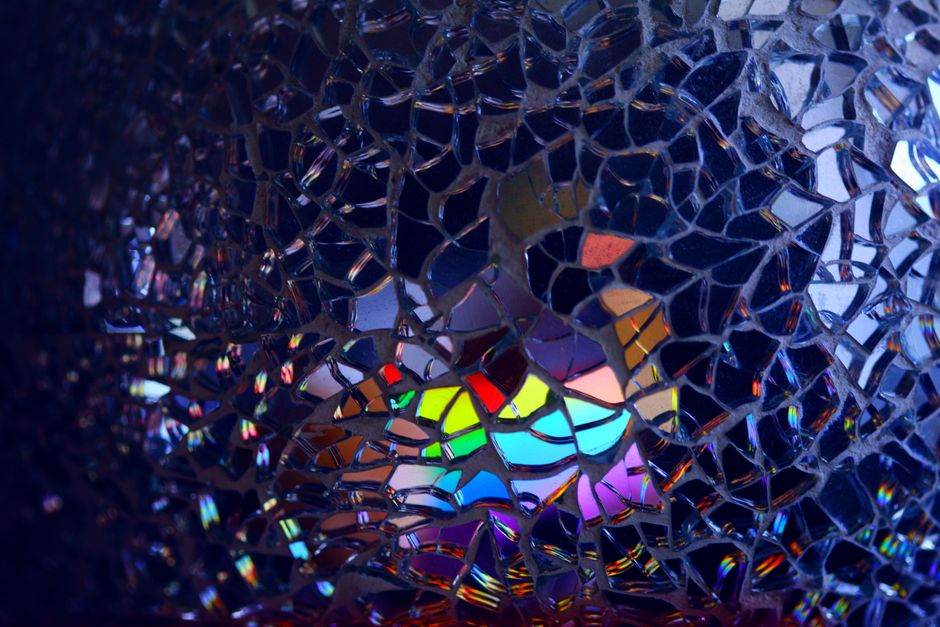
Gregos highlights that art serves as a mirror, reflecting back to us the complexities, contradictions, and often uncomfortable truths of our society. It doesn't shy away from the difficult conversations. It dives headfirst into the murky waters of social and political issues, forcing us to confront realities we might otherwise ignore.
But art is not just a passive reflector. It's also a magnifying glass, amplifying certain aspects of our world, drawing attention to the marginalized voices, the unspoken narratives, and the overlooked details. It allows us to see things from a different perspective, to empathize with experiences that are not our own, and to challenge our preconceived notions.
Think about it. Powerful artwork can:
- Spark Dialogue: Art can ignite conversations about pressing social issues, from climate change to inequality.
- Challenge Power Structures: Artists can use their work to question authority and advocate for change.
- Promote Empathy: Art can foster understanding and connection between people from different backgrounds.
- Document History: Art serves as a visual record of our times, capturing the spirit and struggles of each era.
For instance, consider the paintings of Goya, which unflinchingly depict the horrors of war, or the photographs of Dorothea Lange, which captured the plight of migrant workers during the Great Depression. These works are not just aesthetically pleasing (though they can be), but they are powerful social and historical documents that continue to resonate with us today.
Art as a Form of Resistance and Hope

In times of turmoil and uncertainty, art can be a powerful form of resistance. It can provide a voice to the voiceless, a platform for dissent, and a space for collective healing. It allows us to express our anger, our grief, and our hope in ways that words often fail to capture.
Gregos eloquently explains how art acts as a beacon, illuminating paths toward a more just and equitable future. It reminds us that even in the darkest of times, there is still beauty to be found, creativity to be unleashed, and hope to be nurtured.
Look at the street art movement, for example. Artists are reclaiming public spaces, using their creativity to challenge oppressive systems and advocate for social change. Banksy's satirical graffiti, for instance, often critiques consumerism, war, and inequality, sparking conversations and inspiring action.
Art offers us:
- A Creative Outlet: Providing a healthy way to express emotions and process difficult experiences.
- A Sense of Community: Connecting us with others who share our values and passions.
- A Source of Inspiration: Fueling our imaginations and encouraging us to create our own forms of resistance.
- A Reminder of Humanity: Showing us that even in the face of adversity, the human spirit can endure and even flourish.
Art as a Pathway to Understanding Ourselves

Beyond its social and political significance, art also serves as a powerful tool for self-discovery. It allows us to explore our inner landscapes, to confront our fears and insecurities, and to connect with our deepest selves.
When we engage with art, whether by creating it or simply experiencing it, we are essentially engaging in a dialogue with our own emotions, thoughts, and experiences. We are invited to question our assumptions, challenge our beliefs, and expand our understanding of ourselves and the world around us.
Consider the process of creating art. It requires us to be present, to be mindful, and to be open to new possibilities. It forces us to confront our limitations and to push beyond our comfort zones. In doing so, we often discover hidden talents, untapped potential, and a deeper sense of self-awareness.
Engaging with Art helps us:
- Develop Self-Awareness: By exploring our emotions and experiences through creative expression.
- Cultivate Empathy: By understanding and appreciating different perspectives.
- Enhance Critical Thinking: By analyzing and interpreting complex ideas and concepts.
- Boost Creativity: By unleashing our imaginations and embracing new possibilities.
Think about the therapeutic power of art therapy, which uses creative expression to help individuals process trauma, manage stress, and improve their overall well-being. Art allows us to access and express emotions that we may not be able to articulate verbally, providing a pathway to healing and self-discovery.
Why Art Matters Now More Than Ever

In today's world, bombarded by information, distractions, and constant demands on our attention, art offers a sanctuary, a space for reflection, and a reminder of what truly matters. It reconnects us with our humanity, reminding us of our shared experiences, our shared hopes, and our shared struggles.
As Katerina Gregos so eloquently argues, art is not a luxury; it's a necessity. It's a vital ingredient for a healthy society, a thriving culture, and a meaningful life. It's a force for change, a source of hope, and a pathway to understanding ourselves and the world around us.
In a world increasingly dominated by technology and algorithms, art reminds us of the importance of human connection, creativity, and imagination. It challenges us to think critically, to question assumptions, and to embrace new perspectives.
Therefore, support artists, visit museums, attend galleries, and engage with art in all its forms. Encourage creativity in your own life, whether it's painting, writing, music, or simply finding beauty in the everyday moments. Let us all embrace art as a vital force for good in the world.
Remember, darling, art is not just something to look at; it's something to experience, something to feel, something to be moved by. It's a conversation, a challenge, and a celebration of the human spirit. So go forth, and let art illuminate your path!
Finding Art in the Everyday: A Personal Reflection
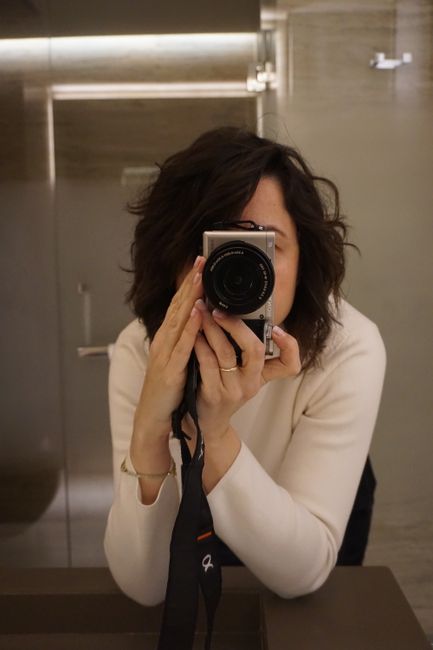
For me, art isn't confined to galleries or museums. It's woven into the fabric of my daily existence. It's in the way sunlight paints the leaves of a tree in the morning, the intricate patterns in a piece of vintage fabric, the soulful melody of a street musician's song.
I find art in:
- The Arrangement of Flowers: The way colors and textures harmonize to create a visual symphony.
- The Design of a Building: The interplay of form and function, creating a space that is both beautiful and purposeful.
- The Act of Cooking: Transforming simple ingredients into a culinary masterpiece, a feast for the senses.
- The Way Someone Tells a Story: Weaving words together to create a vivid tapestry of characters, emotions, and experiences.
This perspective allows me to appreciate art not just as a spectator but as a participant. It encourages me to find creativity in everything I do, to approach life with a sense of wonder and curiosity, and to see the world through an artist's eyes.
It's about cultivating a mindset of appreciation, of recognizing the beauty and meaning that surrounds us, even in the most ordinary of moments. It's about embracing the imperfections, the unexpected detours, and the unique perspectives that make life so rich and rewarding.
Embracing the Imperfect: The Beauty of Wabi-Sabi
Speaking of imperfections, I'm a big believer in the Japanese aesthetic philosophy of Wabi-Sabi. It's a concept that celebrates the beauty of transience, imperfection, and simplicity. It encourages us to find beauty in the flawed, the incomplete, and the unconventional.
In a world that often strives for perfection, Wabi-Sabi offers a refreshing alternative. It reminds us that true beauty lies in the authenticity and the unique character of things. It encourages us to embrace the natural aging process, to appreciate the marks of time, and to find joy in the simple pleasures of life.
Wabi-Sabi influences my own creative process. I don't strive for perfection in my work. Instead, I embrace the imperfections, the happy accidents, and the unexpected twists that arise along the way. I believe that these imperfections add character and depth to my work, making it more authentic and more relatable.
This philosophy extends beyond art. It influences how I approach life. I embrace the challenges, the setbacks, and the imperfections that inevitably arise. I see them as opportunities for growth, for learning, and for becoming a more resilient and compassionate human being.
Katerina Gregos: A Voice for Our Time

Returning to Katerina Gregos and her inspiring TEDx talk, I'm reminded of the power of a single voice to ignite change and inspire action. Her insights into the role of art in society are particularly relevant in our current times, as we grapple with complex challenges and navigate an increasingly uncertain world.
Gregos's passion for art is infectious. Her ability to articulate the importance of art in a clear and compelling way makes her a powerful advocate for creativity and cultural expression. She encourages us to see art not just as a form of entertainment but as a vital tool for social change, self-discovery, and human connection.
In conclusion, let us heed the call to embrace art in all its forms. Let us support artists, visit museums, attend galleries, and encourage creativity in our own lives. Let us recognize the power of art to transform individuals, communities, and the world.
For as Katerina Gregos so eloquently reminds us, art matters. It matters profoundly. And it is up to us to ensure that it continues to thrive and inspire for generations to come.
Post a Comment