2025 Graphic Design Trends: A Creative Odyssey Awaits!

2025 Graphic Design Trends: A Creative Odyssey Awaits!
Hello, fellow design enthusiasts! Buckle up, because we're about to embark on a thrilling journey into the heart of 2025's graphic design trends. As someone who practically dreams in Pantone colors and wakes up with vector shapes dancing in my head, I'm beyond excited to share what I see brewing on the horizon. Forget fleeting fads; we're talking about powerful, evolving aesthetics that will shape how we communicate and connect visually. Prepare to have your creative senses ignited!
Embracing the Imperfect: The Rise of Wabi-Sabi Design
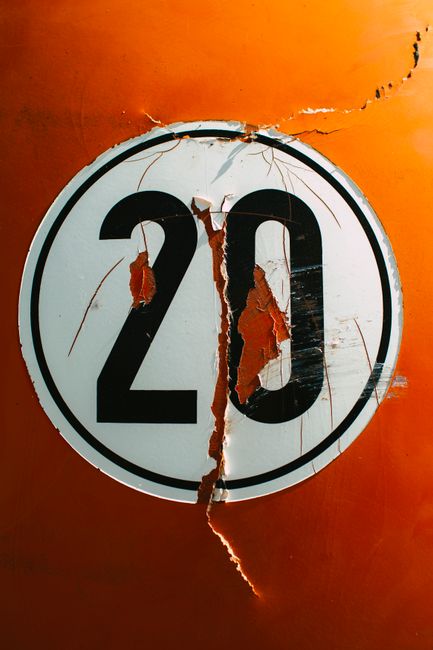
Remember that perfectly polished, everything-in-its-place aesthetic that dominated for a while? Well, things are about to get a whole lot more…human. Wabi-Sabi, the Japanese philosophy of embracing imperfection and transience, is making a significant splash. Think asymmetry, organic textures, and a celebration of the beauty found in flaws.
Here's why it resonates:
- Authenticity: In a world saturated with perfectly curated images, Wabi-Sabi offers a refreshing dose of realness.
- Connection: Imperfection fosters a sense of approachability and human connection.
- Uniqueness: No two Wabi-Sabi designs will ever be exactly alike, guaranteeing originality.
Expect to see:
- Hand-drawn elements with visible brushstrokes.
- Textures mimicking natural materials like stone, wood, and paper.
- Asymmetrical layouts that feel dynamic and less rigid.
- Color palettes inspired by nature – muted tones, earthy browns, and serene blues.
This trend isn't just about aesthetics; it's about embracing a philosophy that values authenticity and imperfection, resonating deeply in a world craving genuine connection.
Maximalism Reimagined: More is More (But Make it Stylish)

Hold onto your hats, minimalists! Maximalism is back, but not as you remember it. It's not just about throwing everything at the wall and hoping something sticks. 2025's maximalism is about curated abundance – a deliberate layering of textures, patterns, colors, and typography that tells a rich, engaging story.
Think opulent color palettes, intricate details, and a playful juxtaposition of styles. It's about creating a visual feast that's both stimulating and cohesive. Key elements to watch out for:
- Bold Color Combinations: Think jewel tones paired with metallics, or unexpected clashes of vibrant hues.
- Intricate Patterns: From vintage floral motifs to geometric abstractions, patterns add depth and visual interest.
- Layered Typography: Combining different fonts, weights, and sizes to create a dynamic typographic landscape.
- Embellishments: Think ornate borders, intricate illustrations, and luxurious textures.
The trick to pulling off maximalism effectively is to maintain a sense of visual harmony. Choose a unifying theme or color palette to tie everything together, and ensure that there's a clear focal point to guide the viewer's eye.
The Metaverse Beckons: 3D and Immersive Design
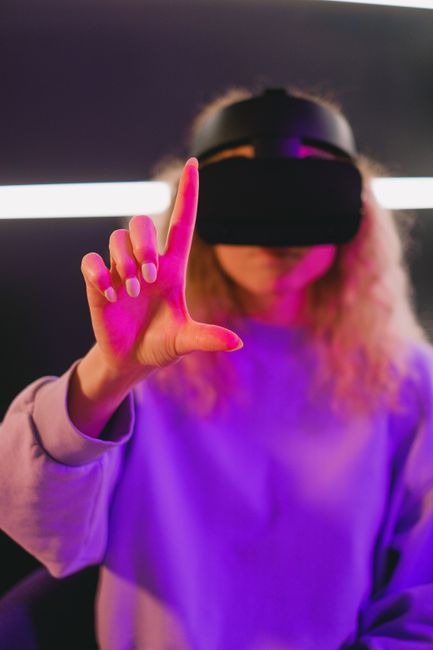
The Metaverse is no longer a futuristic fantasy; it's becoming a tangible reality, and graphic design is right at the forefront. Expect to see a surge in 3D design, immersive experiences, and designs that seamlessly blend the physical and digital worlds.
Here's what's driving this trend:
- Technological Advancements: Powerful software and accessible tools are making 3D design more attainable.
- The Metaverse: Brands are eager to establish their presence in virtual worlds, driving demand for immersive experiences.
- Interactive Storytelling: 3D design allows for more engaging and interactive storytelling, captivating audiences in new ways.
Expect to see:
- 3D Logos and Branding: Animated logos that come to life, adding depth and personality to brands.
- Interactive Website Experiences: Websites that incorporate 3D elements and immersive environments, creating a more engaging user experience.
- Augmented Reality (AR) Designs: Designs that overlay digital information onto the real world, enhancing product packaging, advertising, and more.
Mastering 3D design skills will be crucial for graphic designers in 2025. It's about creating visual experiences that transcend the screen and invite users to step into another world.
The Return of Brutalism: Raw and Unapologetic

Brutalism is back, baby! But don't worry, it's not as scary as it sounds. This design movement celebrates raw functionality, stark typography, and a rejection of overly polished aesthetics. Think stripped-down interfaces, bold colors, and a focus on content over embellishment.
While Brutalism might seem intimidating at first, it can be incredibly effective in certain contexts. It's particularly well-suited for brands that want to project a sense of authenticity, transparency, and rebellion.
Key characteristics of Brutalist design:
- Asymmetrical Layouts: Breaking away from traditional grid systems to create a sense of dynamism.
- Sans-Serif Typography: Using bold, unadorned fonts for maximum impact.
- Raw HTML Elements: Exposing the underlying code to create a more utilitarian aesthetic.
- Bold Color Palettes: Employing contrasting colors and unexpected combinations.
This trend is about embracing simplicity and functionality in a visually arresting way. It's a powerful statement that challenges conventional design norms.
The Power of Inclusive Design: Accessibility for All
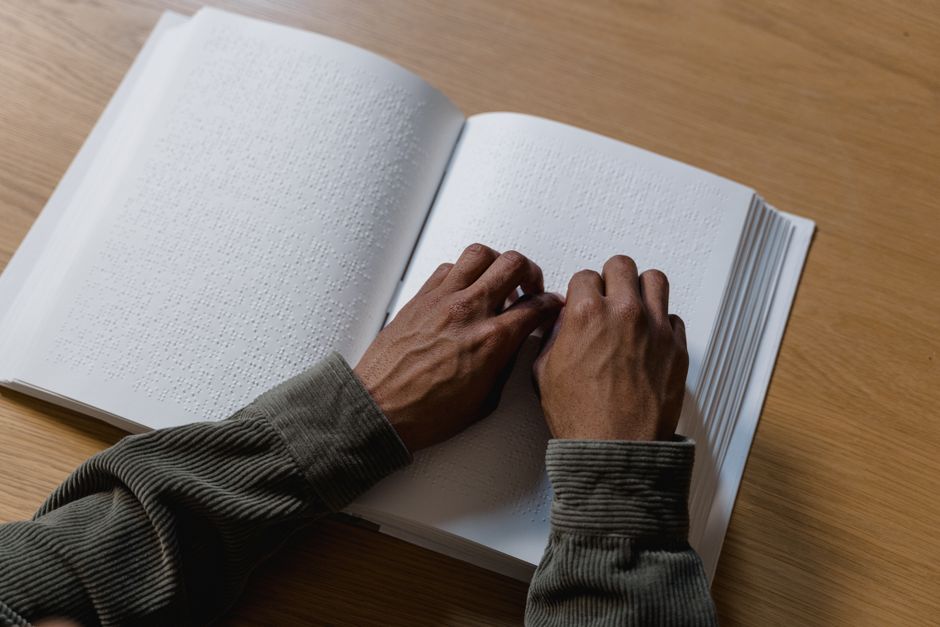
Graphic design isn't just about aesthetics; it's about communication. And in 2025, inclusive design will be more important than ever. This means creating designs that are accessible to everyone, regardless of their abilities or disabilities.
Here's why it matters:
- Ethical Responsibility: Designing for inclusivity is simply the right thing to do.
- Wider Audience Reach: By making your designs accessible, you're reaching a larger and more diverse audience.
- Improved User Experience: Inclusive design principles often lead to better user experiences for everyone.
Key considerations for inclusive design:
- Color Contrast: Ensuring sufficient contrast between text and background for readability.
- Typography: Choosing fonts that are easy to read for people with dyslexia or other visual impairments.
- Alternative Text (Alt Text): Providing descriptive alt text for images so that screen readers can convey their content.
- Keyboard Navigation: Ensuring that websites and applications can be navigated using a keyboard alone.
Inclusive design is not just a trend; it's a fundamental shift in how we approach design. It's about creating a more equitable and accessible visual world for everyone.
Animated Typography: Bringing Words to Life

Static text is so last season! In 2025, expect to see a surge in animated typography – words that move, transform, and dance across the screen. This trend adds a dynamic layer to your designs, capturing attention and enhancing storytelling.
Why animated typography is gaining traction:
- Increased Engagement: Animation naturally draws the eye and keeps viewers engaged.
- Enhanced Storytelling: Animated text can emphasize key messages and convey emotions more effectively.
- Brand Personality: Animated typography can add a unique touch of personality and memorability to your brand.
Examples of animated typography in action:
- Kinetic Typography: Text that moves and changes in sync with music or narration.
- Liquid Text: Text that flows and morphs like liquid.
- Type Reveal Animations: Text that gradually appears or disappears with a stylish animation.
Animated typography is a powerful tool for adding visual flair and personality to your designs. It's about making your words come alive and leaving a lasting impression.
Muted Color Palettes: Serenity and Sophistication

While bold colors will have their moment, a counter-trend is brewing: the rise of muted color palettes. Think soft pastels, earthy tones, and desaturated hues that evoke a sense of calm and sophistication. This trend is perfect for brands that want to project a sense of understated elegance and trustworthiness.
Why muted colors are trending:
- Visual Comfort: Muted colors are easy on the eyes and create a sense of visual harmony.
- Timeless Appeal: Muted colors have a timeless quality that transcends fleeting trends.
- Versatility: Muted colors can be used in a wide range of applications, from website design to branding to product packaging.
Pair muted colors with clean typography and minimalist layouts for a sophisticated and timeless aesthetic. Think of it as a visual exhale – a moment of calm in a visually noisy world.
Gradient Renaissance: Subtle and Sophisticated

Gradients are making a comeback, but with a more refined and sophisticated approach. Forget the harsh, rainbow-colored gradients of the past. 2025's gradients are subtle, nuanced, and used to add depth and visual interest without overwhelming the design. Think soft, pastel gradients, or gradients that subtly transition between different shades of the same color.
Why gradients are back in style:
- Depth and Dimension: Gradients can add a sense of depth and dimension to flat designs.
- Visual Interest: A subtle gradient can add a touch of visual interest without being distracting.
- Versatility: Gradients can be used in a wide range of applications, from backgrounds to buttons to text overlays.
The key to using gradients effectively is to keep them subtle and sophisticated. Choose colors that complement each other, and avoid harsh transitions. Think of gradients as a way to add a touch of magic and depth to your designs.
Data Visualization: Making Information Beautiful

Data is everywhere, and in 2025, the ability to visualize data in a clear, engaging, and visually appealing way will be more important than ever. This trend combines analytical prowess with artistic flair, transforming complex datasets into easily digestible and aesthetically pleasing visuals.
Why data visualization is crucial:
- Improved Understanding: Visualizations make data easier to understand and interpret.
- Enhanced Storytelling: Visualizations can tell compelling stories with data.
- Data-Driven Decision Making: Visualizations can help businesses make better decisions based on data insights.
Expect to see:
- Interactive Charts and Graphs: Charts and graphs that allow users to explore data in a dynamic way.
- Infographics: Visually engaging representations of data that tell a story.
- Data Art: Creative visualizations of data that are both informative and aesthetically pleasing.
Data visualization is about transforming raw data into something beautiful and meaningful. It's about making information accessible and engaging for everyone.
So there you have it – a glimpse into the exciting world of 2025 graphic design trends! Remember, trends are just starting points. Let them inspire you, but don't be afraid to break the rules, experiment, and create something truly unique. After all, the most exciting designs are often those that push boundaries and challenge expectations. Now go forth and create something beautiful!
Post a Comment