2025 Graphic Design Trends: A Peek into the Creative Crystal Ball - Top 10 Styles
2025 Graphic Design Trends: A Peek into the Creative Crystal Ball - Top 10 Styles
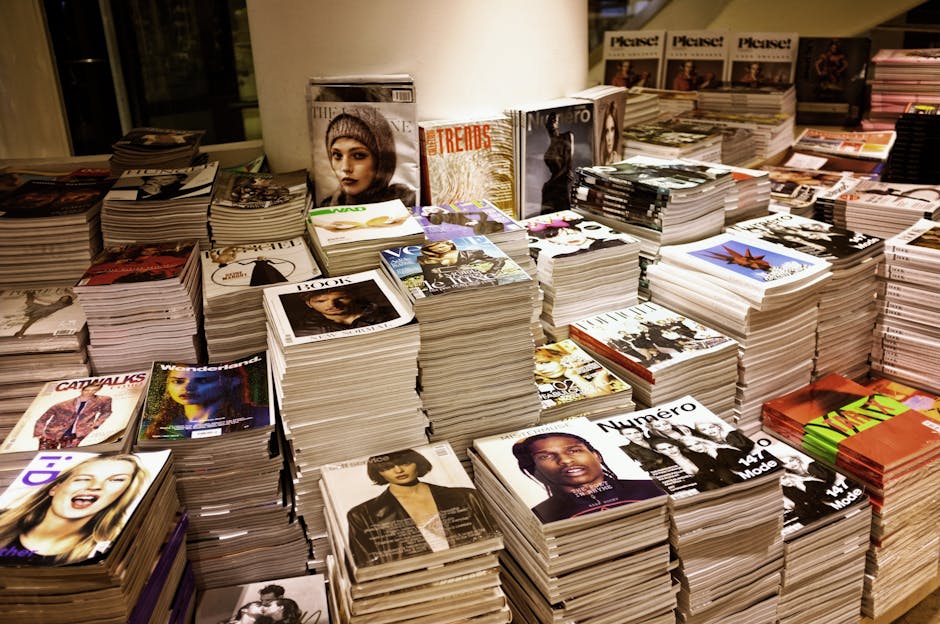
Hello, fellow design enthusiasts! Buckle up, buttercups, because we're about to embark on a whimsical journey into the dazzling world of graphic design trends for 2025! Forget your dusty old rulebooks – we're diving headfirst into a kaleidoscope of imagination, innovation, and visual storytelling. Get ready to feast your eyes on the top 10 styles that are poised to paint the future of design. I can already feel the creative energy buzzing!
My heart flutters just thinking about the possibilities that lie ahead. As a creative soul, I find immense joy in witnessing how trends evolve, adapt, and constantly reinvent themselves. Design, for me, isn't just a profession; it's a language, a feeling, a way to connect with the world on a deeply personal level. So, let's jump in and explore what 2025 has in store for us!
1. Neo-Brutalism: The Raw and the Real
First up, we have Neo-Brutalism, a style that's all about embracing the raw, the imperfect, and the undeniably real. Think stark typography, bold layouts, and a healthy dose of digital grit. This trend is a reaction against the overly polished and sanitized aesthetic that has dominated the design landscape for a while now. It's like a rebellious teenager shouting, "I'm not perfect, and I don't care!"
Neo-Brutalism celebrates function over form, often featuring:
- Visible grid systems: Exposing the underlying structure.
- Unrefined typography: Think monospace fonts and deliberately awkward kerning.
- Limited color palettes: Often sticking to black, white, and shades of gray.
- Unedited imagery: Imperfections are welcomed, not hidden.
It's a daring and unapologetic style that demands attention. I see it being used extensively in website design, particularly for brands that want to project an image of authenticity and transparency. It's not for the faint of heart, but when executed well, Neo-Brutalism can be incredibly impactful.
2. Maximalism: More is More!

Prepare to be overwhelmed! On the opposite end of the spectrum, we have Maximalism – the art of excess. This trend is a celebration of all things loud, vibrant, and unapologetically over-the-top. Forget minimalism; we're talking layers upon layers of patterns, textures, and colors. It's like a visual feast for the eyes, a riot of creative expression.
Maximalism embraces:
- Clashing patterns: Stripes with florals? Why not!
- Bold color combinations: Think neon pink and electric blue.
- Ornate details: Embellishments, flourishes, and anything that adds a touch of extravagance.
- Unexpected juxtapositions: Mixing and matching different styles and eras.
While it might seem chaotic at first glance, Maximalism requires a keen eye for balance and composition. The key is to create a sense of harmony amidst the chaos. I envision this trend being used in packaging design, editorial layouts, and branding for companies that want to project a sense of playful extravagance.
3. Fluid & Kinetic Typography: Words in Motion

Typography is getting a serious upgrade in 2025. We're moving beyond static letters and embracing dynamic, fluid, and kinetic type. Think letters that morph, twist, and dance across the screen. This trend is all about adding movement and personality to your words, creating a more engaging and immersive experience for the viewer.
Expect to see:
- Animated typefaces: Letters that wiggle, bounce, and transform.
- Liquid-like animations: Type that appears to flow and ripple.
- Interactive typography: Letters that respond to user input.
- 3D typography: Type that pops off the screen.
Fluid and Kinetic Typography is perfect for grabbing attention in digital spaces. I see it being used extensively in website headers, social media animations, and even in advertising campaigns. It's a fantastic way to make your message stand out from the crowd.
4. Organic Shapes and Textures: Back to Nature

In a world increasingly dominated by technology, there's a growing desire for connection with nature. This is reflected in the rise of organic shapes and textures in graphic design. Think flowing lines, natural forms, and materials that evoke a sense of earthiness and authenticity.
This trend is characterized by:
- Hand-drawn illustrations: Adding a personal touch.
- Natural textures: Wood grain, stone, and leaves.
- Earthy color palettes: Browns, greens, and muted tones.
- Asymmetrical layouts: Mimicking the randomness of nature.
Organic shapes and textures create a sense of warmth and comfort. I predict this trend will be popular in branding for eco-conscious businesses, sustainable products, and anything that promotes a sense of well-being.
5. Retro Revival: A Nostalgic Nod
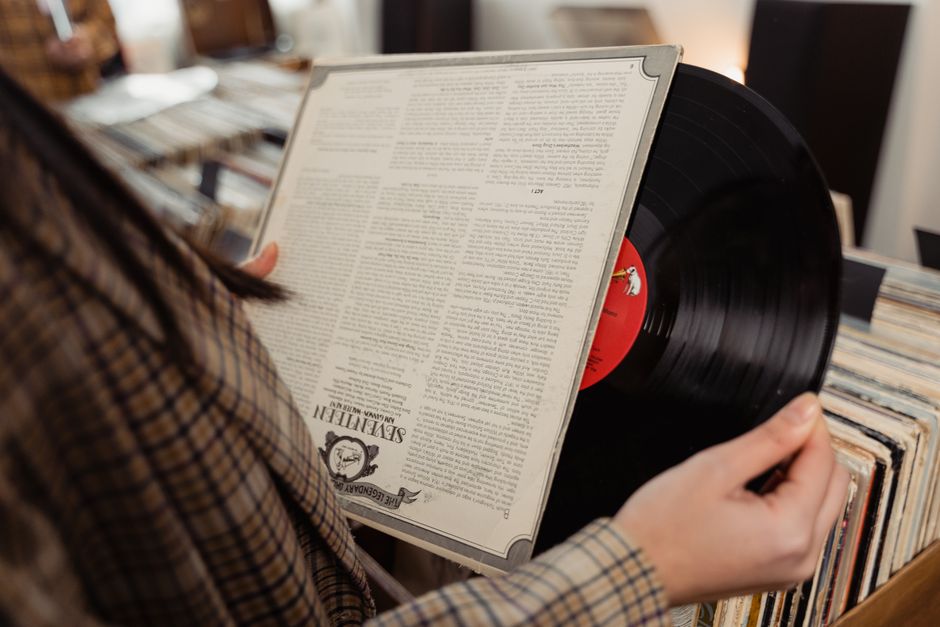
Everything old is new again! Retro design is making a big comeback in 2025, but with a modern twist. We're not just blindly copying the past; we're taking inspiration from vintage styles and reinterpreting them for a contemporary audience. Think 70s psychedelic vibes, 80s neon colors, and 90s grunge aesthetics.
Look for these elements:
- Vintage typography: Retro fonts with a modern edge.
- Pastel color palettes: Muted and nostalgic hues.
- Grainy textures: Adding a touch of authenticity.
- Geometric patterns: Inspired by mid-century modern design.
Retro revival is all about evoking a sense of nostalgia and familiarity. It's a great way to connect with audiences who have fond memories of the past. I see this trend being used in branding for everything from music festivals to clothing brands.
6. Augmented Reality (AR) Integration: Blurring the Lines
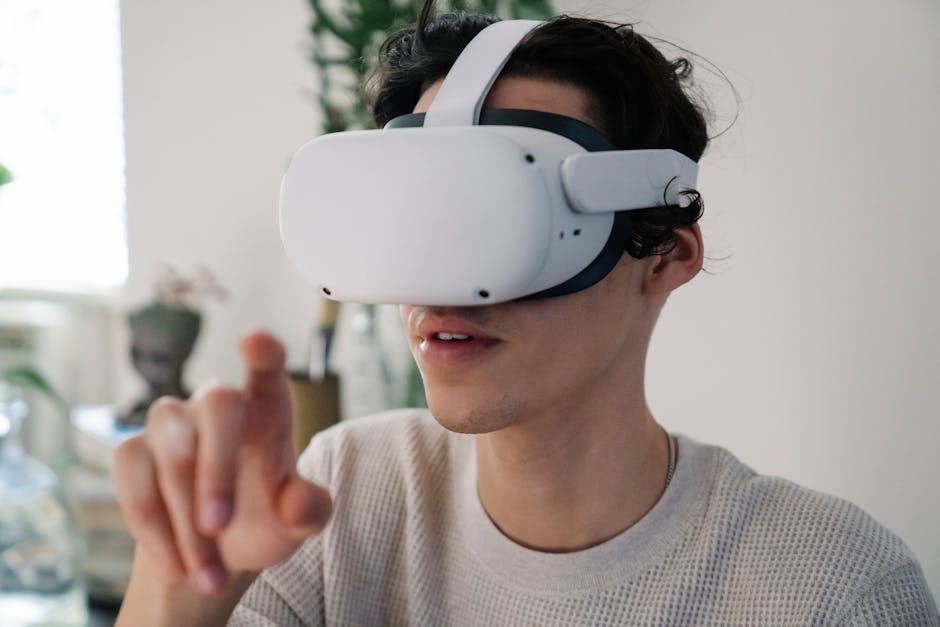
The line between the physical and digital worlds is becoming increasingly blurred, thanks to the rise of Augmented Reality (AR). In 2025, we'll see graphic design playing a crucial role in creating immersive AR experiences. Think interactive packaging, augmented reality posters, and virtual try-on features.
This trend will involve:
- 3D modeling: Creating virtual objects that can be overlaid onto the real world.
- Interactive elements: Allowing users to engage with the AR experience.
- Seamless integration: Blending the virtual and real worlds seamlessly.
- User-friendly interfaces: Making AR accessible to everyone.
AR integration is a game-changer for brands that want to offer unique and engaging experiences to their customers. I envision this trend being used in retail, education, and entertainment.
7. Inclusive Design: Design for Everyone
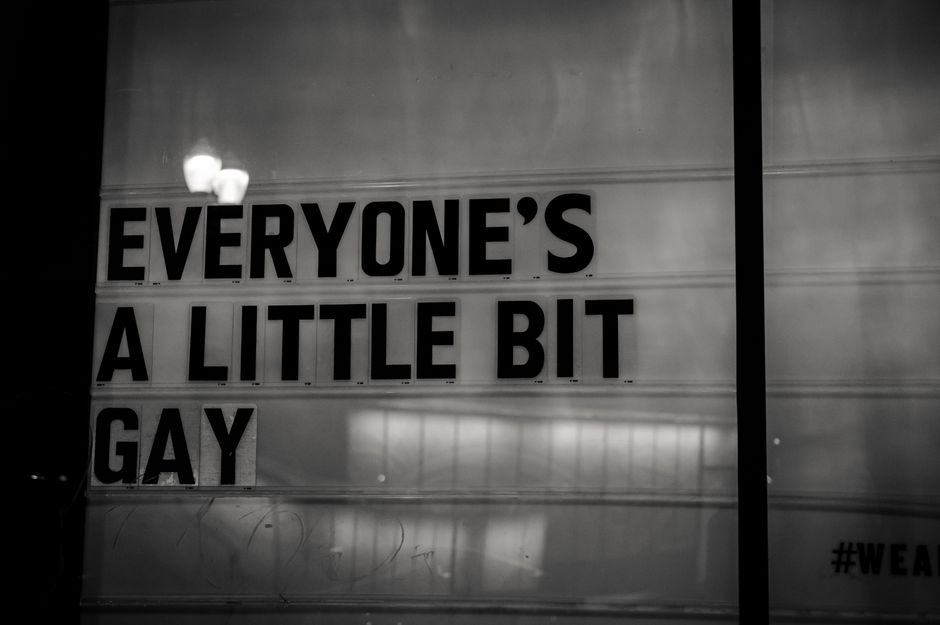
Accessibility is no longer an afterthought; it's a fundamental aspect of good design. Inclusive design focuses on creating experiences that are usable and enjoyable for people of all abilities. This means considering factors such as visual impairments, cognitive disabilities, and motor impairments.
Key principles of inclusive design include:
- Clear and concise language: Avoiding jargon and complex terminology.
- High contrast ratios: Ensuring that text is easily readable.
- Alternative text for images: Providing descriptions for visually impaired users.
- Keyboard navigation: Allowing users to navigate websites without a mouse.
Inclusive design is not just about being ethical; it's also good for business. By creating accessible experiences, you can reach a wider audience and improve your brand's reputation. I hope to see this become a default practice, not just a trend.
8. Parametric Design: Algorithms in Art

Prepare to be amazed by the power of algorithms! Parametric design uses mathematical equations and algorithms to generate complex and intricate designs. This allows for a level of customization and complexity that would be impossible to achieve manually. Think intricate patterns, generative art, and dynamic shapes.
This trend involves:
- Algorithmic thinking: Understanding how to use algorithms to generate designs.
- Software proficiency: Mastering parametric design tools.
- Creative experimentation: Exploring the possibilities of algorithmic design.
- Data visualization: Using data to inform the design process.
Parametric design is a powerful tool for creating unique and visually stunning designs. I see it being used in architecture, product design, and even in fashion.
9. Anti-Design: Breaking the Rules
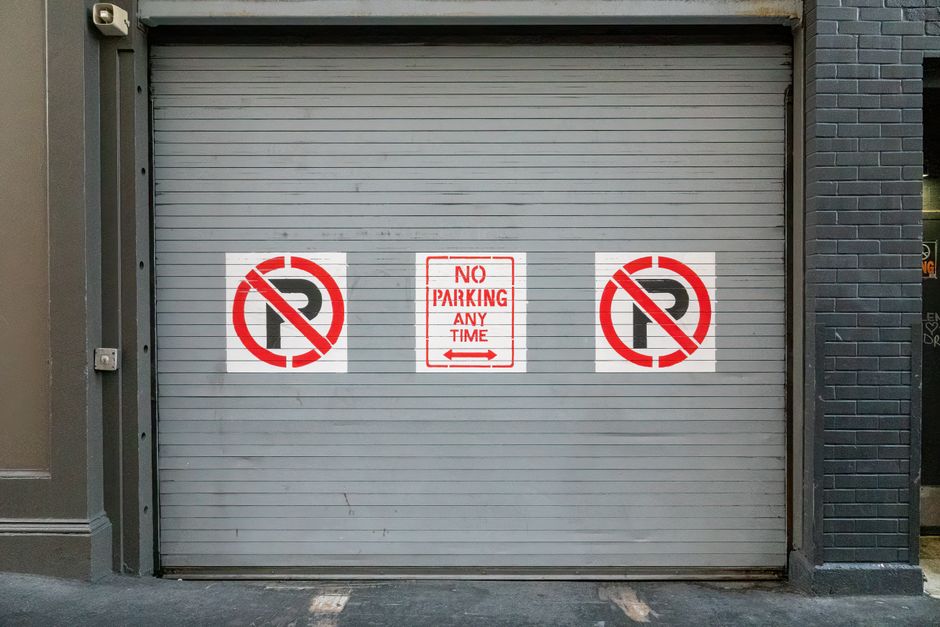
Sometimes, the best way to innovate is to break the rules. Anti-design is a rebellious movement that challenges traditional design principles. Think clashing colors, unconventional layouts, and deliberately disruptive elements. It's about creating a sense of chaos and pushing the boundaries of what's considered "good" design.
Elements of anti-design include:
- Deliberate ugliness: Embracing imperfections and challenging aesthetic norms.
- Disruptive layouts: Breaking away from traditional grid systems.
- Clashing color palettes: Using colors that are traditionally considered incompatible.
- Provocative imagery: Using images that challenge social norms.
Anti-design is not for everyone, but it can be a powerful tool for brands that want to stand out from the crowd and challenge the status quo. It's a bold and unconventional approach that demands attention.
10. Sustainable Design: Design with a Conscience
Finally, and perhaps most importantly, we have sustainable design. This trend is all about creating designs that are environmentally responsible and socially conscious. Think eco-friendly materials, minimal packaging, and designs that promote sustainability.
Sustainable design focuses on:
- Eco-friendly materials: Using recycled and biodegradable materials.
- Minimal packaging: Reducing waste and minimizing environmental impact.
- Sustainable production processes: Minimizing energy consumption and pollution.
- Ethical sourcing: Ensuring that materials are sourced responsibly.
Sustainable design is not just a trend; it's a responsibility. As designers, we have the power to create a more sustainable future through our work. I believe that sustainable design will become increasingly important in the years to come, as consumers become more aware of the environmental impact of their choices. It is a trend that speaks to my soul.
So there you have it, my dears! A glimpse into the crystal ball of graphic design trends for 2025. It's a vibrant and exciting landscape, filled with innovation, creativity, and a healthy dose of rebellion. Remember, design is a journey, not a destination. Embrace the trends, experiment with new ideas, and most importantly, have fun! Let your creative spirit soar and paint the world with your unique vision. Until next time, keep creating!
Post a Comment