8 Modern Art Movements That Still Inspire Today
8 Modern Art Movements That Still Inspire Today
Hey fellow art adventurers! Prepare to dive headfirst into a kaleidoscope of creativity, because today we're embarking on a whirlwind tour through some of the most influential modern art movements. Get ready to have your perception challenged, your imagination ignited, and your artistic soul utterly refreshed. We're not just talking about art history; we're talking about the bedrock of contemporary visual expression, the roots from which so much of today's design and artistic innovation blossoms. Buckle up!
Fauvism: Unleashing the Wild Beasts of Color
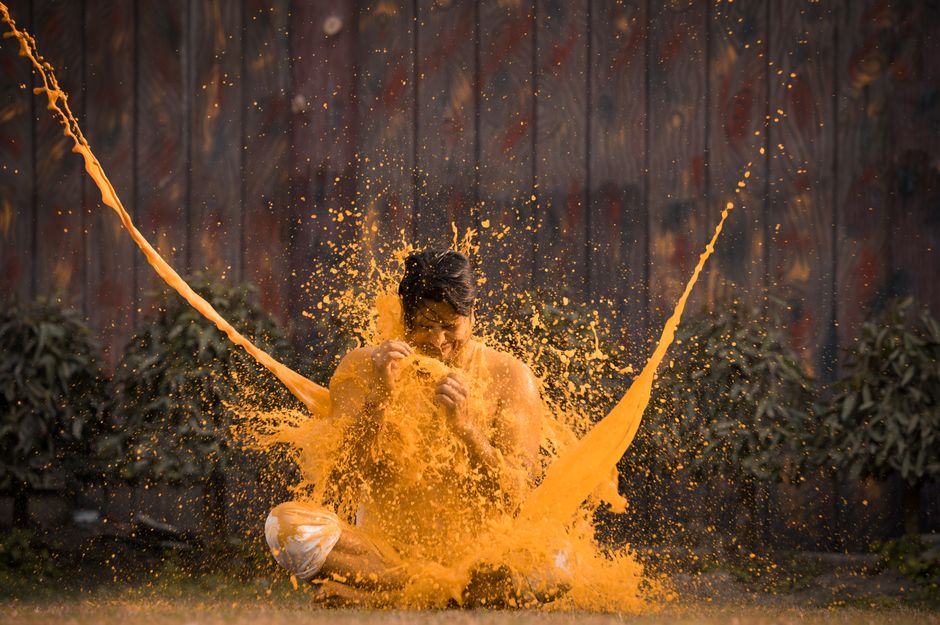
Oh, Fauvism! The very name conjures images of untamed brushstrokes and colors so vibrant they practically leap off the canvas. Think of it as a rebellion against the muted tones of Impressionism, a joyous explosion of pure, unadulterated chromatic energy.
Defining Characteristics:
- Intense, Non-Naturalistic Color: Forget trying to paint a tree as it actually looks. Fauvists wanted to express their emotions through color, using shades that often bore little resemblance to reality. Think vibrant reds for landscapes, electric blues for skin tones!
- Simplified Forms: Detail took a backseat to bold shapes and flattened perspectives. They weren't aiming for photographic realism; they were after emotional impact.
- Energetic Brushstrokes: You can feel the artist's hand in every stroke. The paint application is often raw and immediate, adding to the overall sense of spontaneity.
Key Artists:
- Henri Matisse: Arguably the leader of the pack, Matisse is celebrated for his masterful use of color and his ability to create harmonious compositions even with the most jarring hues.
- André Derain: Another prominent figure, Derain explored the expressive potential of color in landscapes and portraits, often pushing the boundaries of representation.
- Maurice de Vlaminck: Vlaminck's paintings are characterized by their raw energy and bold application of paint, often reflecting the intensity of his own personality.
Fauvism was a short-lived but incredibly impactful movement. Its emphasis on subjective expression and the liberation of color paved the way for many subsequent artistic explorations. Even today, designers and artists draw inspiration from its bold aesthetic, using unexpected color combinations to create visual impact and emotional resonance.
Expressionism: Painting the Inner Turmoil

Expressionism delves into the depths of human emotion, laying bare the raw nerves and anxieties of the modern world. It's not about portraying external reality; it's about giving voice to the inner landscape, the feelings that churn beneath the surface.
Defining Characteristics:
- Distortion and Exaggeration: Reality is warped and twisted to reflect the artist's emotional state. Forms are often elongated, faces are contorted, and colors are intensified.
- Subjective Perspective: Expressionism is intensely personal. The artist's own feelings and experiences are the driving force behind the artwork.
- Emphasis on Emotional Impact: The goal is to evoke a strong emotional response in the viewer, to make them feel the anxiety, the despair, or the anguish that the artist is experiencing.
Key Artists:
- Edvard Munch: His iconic painting "The Scream" perfectly encapsulates the Expressionist spirit, conveying a sense of profound anxiety and alienation.
- Ernst Ludwig Kirchner: A leading member of the German Expressionist group Die Brücke (The Bridge), Kirchner explored themes of urban alienation and social decay in his stark and often unsettling paintings.
- Emil Nolde: Nolde's work is characterized by its intense colors and its exploration of primal emotions, often drawing inspiration from religious themes and primitive art.
Expressionism continues to resonate with contemporary audiences because it speaks to the universal human experience of suffering and anxiety. Its influence can be seen in everything from film and literature to graphic design and illustration. It reminds us that art can be a powerful tool for confronting difficult emotions and exploring the darker aspects of the human psyche.
Cubism: Deconstructing Reality, Rebuilding Perception
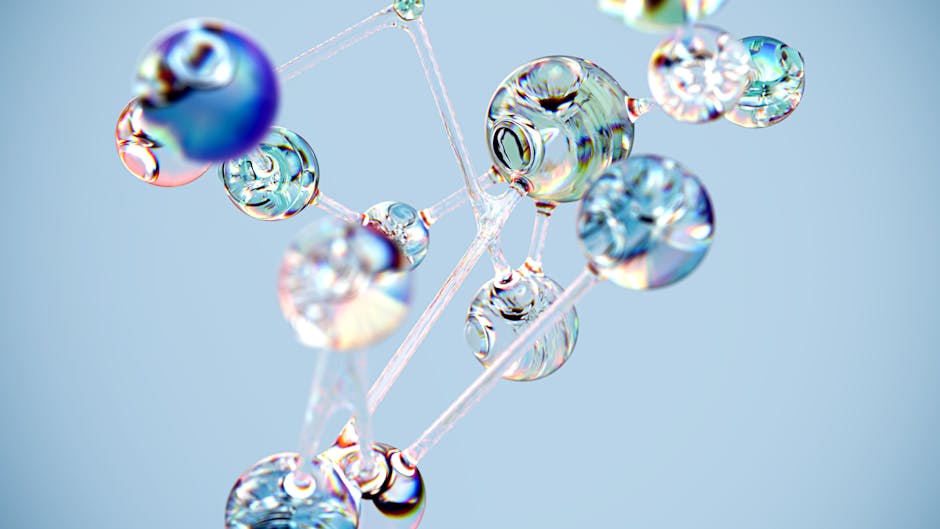
Cubism! Oh, this is where things get really interesting. Prepare to have your understanding of space and perspective completely dismantled. Cubism challenged the traditional notion of representing objects from a single viewpoint, instead breaking them down into geometric forms and reassembling them on the canvas in a fragmented, multi-dimensional way.
Defining Characteristics:
- Fragmentation: Objects are broken down into geometric shapes and facets, as if seen from multiple angles simultaneously.
- Multiple Perspectives: Rather than depicting an object from a single viewpoint, Cubist artists incorporated multiple perspectives into a single image.
- Limited Color Palette: Early Cubism, often referred to as Analytical Cubism, typically employed a muted color palette of browns, grays, and blacks.
Key Artists:
- Pablo Picasso: Arguably the most influential artist of the 20th century, Picasso was a key figure in the development of Cubism, along with Georges Braque.
- Georges Braque: Braque worked closely with Picasso in developing the Cubist style, exploring similar themes and techniques.
- Juan Gris: Gris later developed a more colorful and structured form of Cubism, known as Synthetic Cubism, incorporating collage elements and brighter hues.
Cubism revolutionized the way we see the world, influencing countless artists and designers. Its emphasis on abstraction and fragmentation paved the way for many subsequent artistic movements. Its impact is still felt today in architecture, graphic design, and even product design, where the principles of deconstruction and reconstruction are used to create innovative and visually striking forms.
Futurism: Embracing the Machine Age

Futurism was a dynamic and often controversial movement that celebrated the energy, speed, and technology of the modern world. It was a love letter to machines, a rejection of the past, and a passionate embrace of the future. Think roaring engines, gleaming metal, and the relentless pulse of urban life.
Defining Characteristics:
- Dynamism and Speed: Futurists sought to capture the sensation of movement and speed in their art, using techniques like repetition and overlapping forms.
- Celebration of Technology: They glorified machines, factories, and all aspects of modern technology, viewing them as symbols of progress and power.
- Rejection of the Past: Futurists vehemently rejected traditional art forms and values, seeking to create a new art for a new age.
Key Artists:
- Umberto Boccioni: Boccioni's sculptures and paintings are characterized by their dynamic forms and their attempt to capture the sensation of movement.
- Giacomo Balla: Balla explored the themes of speed and light in his paintings, often using vibrant colors and abstract forms to convey a sense of energy.
- Carlo Carrà: Carrà's early Futurist works celebrated the dynamism of modern life, but he later moved towards a more classical style.
Futurism's influence can be seen in various fields, including architecture, design, and even fashion. Its fascination with technology and its emphasis on dynamism continue to inspire artists and designers who seek to capture the energy and excitement of the modern world. Even today, the sleek lines and futuristic aesthetics of Futurism resonate with a desire for innovation and progress.
Dadaism: A Rebellion Against Reason

Dadaism! Prepare for the absurd, the nonsensical, and the delightfully irrational. Born out of the disillusionment and chaos of World War I, Dadaism was a rebellion against reason, logic, and all established norms. It was a deliberate attempt to shock, provoke, and challenge the very definition of art.
Defining Characteristics:
- Anti-Art: Dadaists rejected traditional artistic values and conventions, embracing chance, randomness, and the absurd.
- Provocation and Shock Value: They sought to shock and provoke the public, challenging their assumptions about art and society.
- Use of Found Objects and Collage: Dadaists often incorporated everyday objects and found materials into their artworks, blurring the lines between art and life.
Key Artists:
- Marcel Duchamp: Duchamp's "readymades," such as his infamous urinal titled "Fountain," challenged the very definition of art and sparked endless debate.
- Hugo Ball: Ball was a key figure in the Dada movement, known for his sound poems and his performances at the Cabaret Voltaire in Zurich.
- Hannah Höch: Höch was a pioneer of photomontage, creating collages that critiqued societal norms and gender roles.
Dadaism's impact on contemporary art is undeniable. Its rejection of traditional values and its embrace of the absurd paved the way for movements like Surrealism and Conceptual Art. Its influence can be seen in everything from performance art to graphic design, where the principles of chance and randomness are often used to create unexpected and thought-provoking results. It taught us to question everything, to embrace the irrational, and to find beauty in the unexpected.
Surrealism: Exploring the Realm of Dreams

Surrealism! Oh, the land of dreams, the subconscious, and the delightfully bizarre! Surrealism sought to unlock the power of the subconscious mind, exploring the realm of dreams, fantasies, and irrational thoughts. It was an attempt to liberate the imagination from the constraints of reason and logic.
Defining Characteristics:
- Exploration of the Subconscious: Surrealist artists drew inspiration from dreams, psychoanalysis, and the irrational workings of the mind.
- Juxtaposition of Unexpected Elements: They often combined seemingly unrelated objects and images in unexpected and unsettling ways.
- Automatic Writing and Painting: Some Surrealists employed techniques like automatic writing and painting to bypass conscious control and tap into the subconscious.
Key Artists:
- Salvador Dalí: Dalí's iconic paintings are characterized by their dreamlike imagery, their bizarre juxtapositions, and their meticulous attention to detail.
- René Magritte: Magritte's work often explored the relationship between images and reality, questioning our perceptions of the world.
- Joan Miró: Miró's paintings are characterized by their playful forms, their vibrant colors, and their sense of childlike wonder.
Surrealism has had a profound impact on contemporary art, literature, and film. Its influence can be seen in everything from advertising to fashion, where the principles of dreamlike imagery and unexpected juxtapositions are used to create visually striking and emotionally evocative experiences. It reminds us of the power of the imagination and the importance of exploring the hidden depths of the human psyche.
Abstract Expressionism: Freedom on a Grand Scale

Abstract Expressionism! Think BIG canvases, bold gestures, and a profound sense of freedom. This movement emerged in post-World War II America and was characterized by its emphasis on spontaneous, non-representational expression. It was about the act of painting itself, the energy of the artist's hand, and the raw emotion poured onto the canvas.
Defining Characteristics:
- Large-Scale Canvases: Abstract Expressionist paintings are often monumental in scale, engulfing the viewer and creating a sense of immersion.
- Emphasis on Process: The act of painting itself is as important as the final product. The artist's gestures, brushstrokes, and drips are all visible and contribute to the overall meaning of the work.
- Non-Representational Imagery: Abstract Expressionists rejected representational imagery, focusing instead on abstract forms, colors, and textures.
Key Artists:
- Jackson Pollock: Pollock's "drip paintings" are iconic examples of Abstract Expressionism, capturing the energy and spontaneity of his creative process.
- Mark Rothko: Rothko's color field paintings are characterized by their large, luminous blocks of color, creating a sense of serenity and contemplation.
- Willem de Kooning: De Kooning's paintings are characterized by their gestural brushstrokes and their exploration of the human figure in an abstract way.
Abstract Expressionism's influence can be seen in contemporary painting, sculpture, and even installation art. Its emphasis on freedom, spontaneity, and emotional expression continues to inspire artists who seek to create powerful and transformative experiences for the viewer. It taught us that art can be a direct expression of the artist's inner self, a raw and unfiltered outpouring of emotion and experience.
Pop Art: Celebrating the Everyday

Pop Art! Get ready for a celebration of consumer culture, popular imagery, and the everyday objects that surround us. Pop Art emerged in the 1950s and 60s as a reaction against the perceived elitism of Abstract Expressionism. It embraced the imagery of advertising, comic books, and mass media, transforming ordinary objects into iconic works of art.
Defining Characteristics:
- Use of Popular Imagery: Pop Art draws inspiration from advertising, comic books, and other forms of popular culture.
- Bold Colors and Graphic Style: Pop Art often employs bright, bold colors and a graphic, illustrative style.
- Repetition and Mass Production: Pop artists often used techniques of repetition and mass production, reflecting the consumer culture of the time.
Key Artists:
- Andy Warhol: Warhol's iconic portraits of celebrities and his silkscreen prints of everyday objects, such as Campbell's soup cans, are quintessential examples of Pop Art.
- Roy Lichtenstein: Lichtenstein's paintings, based on comic book panels, are characterized by their bold lines, their Ben-Day dots, and their use of dramatic narratives.
- Claes Oldenburg: Oldenburg is known for his large-scale sculptures of everyday objects, such as hamburgers, ice cream cones, and clothespins.
Pop Art's influence can be seen in contemporary art, graphic design, and advertising. Its celebration of consumer culture and its use of popular imagery continue to resonate with audiences today. It taught us that art can be found in the most unexpected places, that everyday objects can be transformed into iconic symbols, and that art can be a reflection of the society in which we live.
So there you have it, my fellow art lovers! A whirlwind tour through eight major modern art movements that continue to shape the art world today. Each movement offers a unique perspective on the world, a different way of seeing and understanding our reality. I hope this journey has sparked your curiosity, ignited your imagination, and inspired you to create something truly meaningful. Now go forth and make some art!
Post a Comment