A Crash Course on How to Oil Paint: Unleash Your Inner Masterpiece!
A Crash Course on How to Oil Paint: Unleash Your Inner Masterpiece!
Hello, fellow art explorers! Welcome to my little corner of the internet where we celebrate the vibrant, textural, and endlessly rewarding world of oil painting. For centuries, oil paints have been the medium of choice for artists, from the Old Masters to contemporary visionaries. And trust me, the allure is completely understandable. The richness of the colors, the buttery smooth consistency, and the sheer longevity of oil paintings are truly captivating. So, grab your brushes, prepare your palette, and let's dive into this crash course on how to oil paint! Whether you're a complete beginner or just looking to brush up on your skills (pun intended!), I'm here to guide you through the essentials, injecting a little joy and a whole lot of creativity into the process.
The Wonderful World of Oil Paints: An Introduction
What makes oil paints so special? Well, unlike acrylics or watercolors, oil paints are pigments bound together with oil (usually linseed oil). This unique composition gives them several distinct advantages:
Blending Bliss: Oil paints dry slowly, allowing for seamless blending and subtle gradations of color. This is fantastic for creating realistic effects and nuanced details.
Luminous Layers: Oil paints allow you to build up layers of color, known as glazing, which creates incredible depth and luminosity. Think of the way light seems to emanate from within a Renaissance painting – that's the magic of glazing!
Lasting Legacy: Oil paintings are incredibly durable and can last for centuries when properly cared for. Think of them as visual time capsules, preserving your artistic vision for generations to come.
Versatile Visions: From thick impasto techniques to delicate washes, oil paints can be manipulated in countless ways, allowing for a wide range of artistic styles and expressions.
Gathering Your Art Supplies: The Essentials

Before you can start painting, you'll need to gather some essential supplies. Don't feel overwhelmed! You don't need to buy everything at once. Start with the basics and gradually expand your collection as you become more comfortable.
- Oil Paints: This is the obvious one! Start with a basic set of colors, including titanium white, cadmium yellow, cadmium red, ultramarine blue, burnt umber, and ivory black. These colors can be mixed to create a wide range of hues. As you progress, you can add more specialized colors to your palette. Student-grade paints are a great starting point, offering good quality at a reasonable price.
- Brushes: Invest in a variety of brushes in different shapes and sizes. Round brushes are good for details, while flat brushes are better for covering larger areas. Filbert brushes, which are flat with rounded edges, are incredibly versatile. Both natural hog bristle brushes and synthetic brushes work well for oil painting. Hog bristle brushes are more durable and better for thicker paint application, while synthetic brushes are softer and better for blending.
- Painting Surfaces: Canvas is the traditional choice for oil painting, but you can also use wood panels or even paper specifically designed for oil paints. Pre-stretched canvases are convenient for beginners. Make sure your canvas is properly primed with gesso to provide a smooth and receptive surface for the paint.
- Palette: You'll need a surface to mix your paints on. A traditional wooden palette is a classic choice, but you can also use a disposable palette or even a piece of glass.
- Palette Knife: A palette knife is essential for mixing paints and cleaning your palette. It can also be used to apply paint directly to the canvas for interesting textural effects.
- Solvent: You'll need a solvent, such as odorless mineral spirits or turpentine, to thin your paints and clean your brushes. Always work in a well-ventilated area when using solvents.
- Mediums: Painting mediums alter the properties of your paint. Linseed oil increases gloss and transparency, while stand oil creates a smoother, enamel-like finish. Alkyd mediums speed up drying time. Experiment with different mediums to see how they affect your painting.
- Rags or Paper Towels: Keep plenty of rags or paper towels on hand for cleaning your brushes and wiping up spills.
- Easel: An easel isn't strictly necessary, but it can make painting much more comfortable, especially for larger canvases. A table easel is a good option for beginners.
Preparing Your Canvas: The Foundation of Your Masterpiece
Before you start painting, it's important to properly prepare your canvas. Most pre-stretched canvases come already primed with gesso, but it's a good idea to apply an extra layer or two for a smoother surface.
- Apply Gesso: Gesso is a white acrylic primer that creates a receptive surface for oil paints. Apply a thin, even coat of gesso to your canvas using a wide brush or a roller. Let it dry completely.
- Sand Lightly: Once the gesso is dry, lightly sand the surface with fine-grit sandpaper to create an even smoother finish. This will help your paints adhere better and prevent them from cracking.
- Apply Additional Coats: Repeat the gesso and sanding process two or three times for the best results.
The Art of Mixing Colors: Unleash Your Inner Alchemist
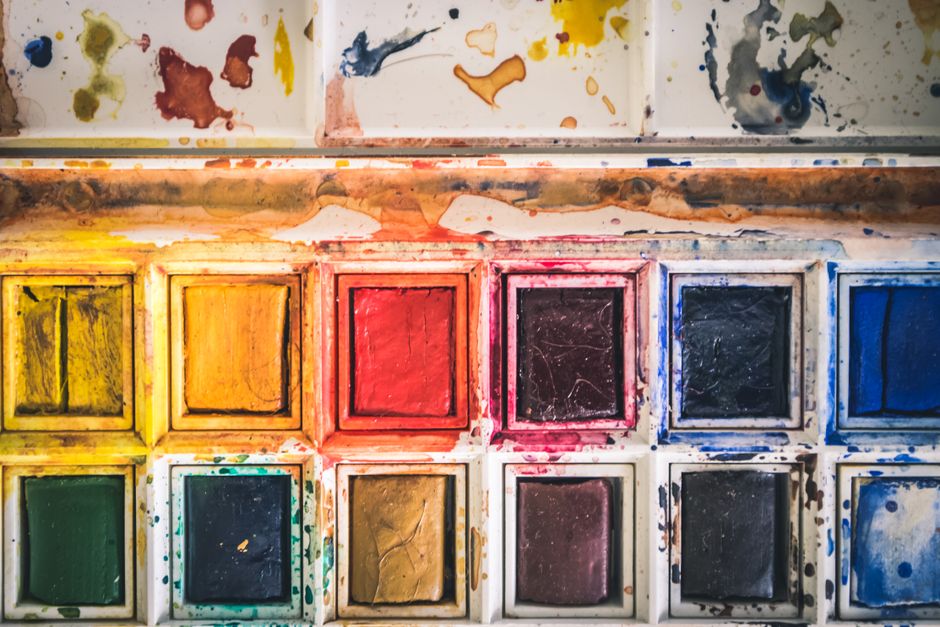
Mixing colors is one of the most exciting and rewarding aspects of oil painting. It allows you to create an infinite range of hues and tones, perfectly tailored to your artistic vision. Here are a few tips for successful color mixing:
Start Small: Begin by mixing small amounts of paint. You can always add more if needed, but it's difficult to take away.
Use a Palette Knife: A palette knife is the best tool for mixing paints. It allows you to thoroughly combine the pigments without introducing air bubbles.
Mix Complementary Colors: Mixing complementary colors (colors that are opposite each other on the color wheel, such as red and green) will create a neutral color, like brown or gray. These can be used to create shadows and add depth to your paintings.
Mix White Sparingly: White paint can easily overpower other colors, so use it sparingly. Start by adding a small amount of white and gradually increase it until you achieve the desired tone.
Keep a Color Log: Keep a record of your color mixtures. This will help you recreate them in the future.
Basic Oil Painting Techniques: Your Artist's Toolkit
Now that you have your supplies and your canvas is prepped, it's time to start painting! Here are a few basic oil painting techniques to get you started:
Underpainting: An underpainting is a preliminary layer of paint that establishes the basic composition and values (lights and darks) of your painting. It's typically done in a single color, such as burnt umber or raw sienna. The underpainting helps you to plan your painting and create a sense of depth and form.
Blocking In: Blocking in involves applying broad areas of color to your canvas to define the shapes and forms of your subject. Don't worry about details at this stage; focus on establishing the overall composition and color scheme.
Blending: Blending is the process of smoothing out the edges of your brushstrokes to create a seamless transition between colors. You can use a soft brush, a palette knife, or even your finger to blend your paints.
Layering: Layering involves applying multiple layers of paint to your canvas, allowing each layer to dry slightly before applying the next. This technique allows you to build up depth and richness in your paintings. Remember the "fat over lean" rule: each successive layer should contain more oil than the previous layer to prevent cracking.
Glazing: Glazing is a technique where you apply a thin, transparent layer of paint over a dried underlayer. This creates a luminous effect and can be used to adjust the color and value of your painting. It is best to use a glazing medium to give the paint that transparency.
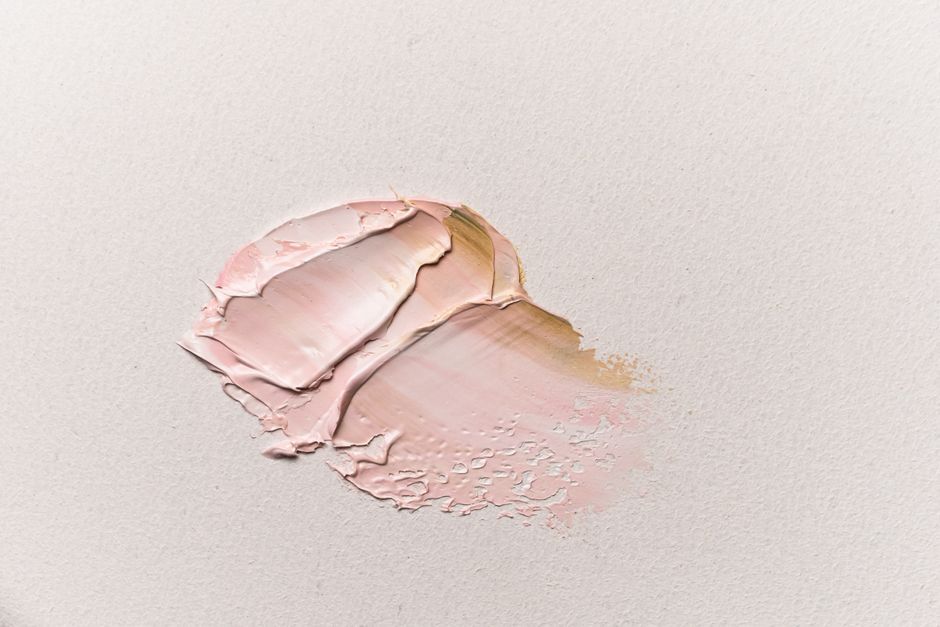
Impasto: Impasto is a technique where you apply thick, textured layers of paint to your canvas. This creates a three-dimensional effect and can be used to add drama and energy to your paintings. A palette knife can be used to create impasto.
Dry Brushing: Dry brushing involves using a relatively dry brush to apply paint to your canvas. This creates a textured, scratchy effect that can be used to add highlights or create a sense of movement.
Tips for Success: Embracing the Oil Painting Journey

Oil painting is a journey, not a destination. Be patient with yourself, experiment with different techniques, and don't be afraid to make mistakes. Here are a few tips to help you along the way:
- Practice Regularly: The more you paint, the better you'll become. Set aside some time each week to practice your oil painting skills.
- Study the Masters: Look at the work of great oil painters throughout history. Pay attention to their techniques, their use of color, and their compositions.
- Take a Class or Workshop: Taking a class or workshop can be a great way to learn new techniques and get feedback from experienced artists.
- Join an Art Community: Connect with other artists online or in your local community. Sharing your work and getting feedback from others can be incredibly helpful.
- Don't Be Afraid to Experiment: Oil painting is all about experimentation. Try new techniques, mix different colors, and see what happens!
- Clean Your Brushes Properly: Cleaning your brushes thoroughly after each painting session will help them last longer. Use a solvent to remove the paint, then wash them with soap and water.
- Proper Ventilation is Key: Ensure you have good ventilation when working with oil paints and solvents.
- Have Fun! Most importantly, remember to have fun! Oil painting should be an enjoyable and rewarding experience.
Beyond the Basics: Exploring Your Artistic Voice

Once you've mastered the basics of oil painting, you can start exploring your own artistic voice. Experiment with different subjects, styles, and techniques. Don't be afraid to break the rules and create something truly unique.
Think about what inspires you. What are the themes and ideas that you want to express in your art? Do you want to paint landscapes, portraits, still lifes, or abstract compositions? Do you want to create realistic paintings, impressionistic paintings, or surreal paintings?
The possibilities are endless! Oil painting is a powerful medium that can be used to express a wide range of emotions, ideas, and experiences. So, embrace the challenge, unleash your creativity, and let your imagination soar.
And remember, the most important thing is to enjoy the process. Art is not about perfection; it's about expression, exploration, and the joy of creating something beautiful and meaningful.
Happy painting, my friends!
Post a Comment