Adobe Graphic Design Trends 2025: A Visionary's Palette

Adobe Graphic Design Trends 2025: A Visionary's Palette
Hello, fellow creators! Let's embark on a delightful journey into the shimmering, ever-evolving world of graphic design. As a soul deeply intertwined with the arts, I've been peering into the mists of the future, consulting the oracles of creativity, and yes, analyzing Adobe's hints and industry whispers to bring you a sneak peek at the graphic design trends poised to dominate 2025. Buckle up; it's going to be a vibrant ride!
Embracing the Fluid: Movement and Animation Take Center Stage

Static is out; dynamic is in! Think of design as a dance, a continuous flow that captures the eye and engages the senses. Adobe is heavily investing in tools that make animation more accessible, and the industry is responding with open arms. We're not just talking about simple GIFs; we're talking about sophisticated, integrated motion that breathes life into brands and messaging.
Why is movement so important? In a world saturated with content, anything that stands still gets overlooked. Animation grabs attention, tells a story, and communicates complex ideas quickly and effectively. Expect to see:
- Micro-Interactions: Subtle animations within websites and apps that provide feedback and guide users. Think of a button that gently glows when hovered over or a progress bar that fluidly fills as you scroll.
- Animated Logos: Logos that subtly morph and change, reflecting the brand's personality and values. Imagine a logo that blossoms like a flower or transforms to illustrate different product features.
- Kinetic Typography: Text that moves, pulses, and transforms to emphasize key messages. This is more than just animating each letter; it's about using typography as a dynamic visual element.
- Seamless Transitions: Smooth, almost hypnotic transitions between sections of websites or within video content. These transitions create a sense of flow and keep viewers engaged.
Adobe's continued enhancements to After Effects and Animate will play a crucial role in democratizing these techniques, making sophisticated animation accessible to a wider range of designers.
The Rise of AI-Assisted Creativity: A Collaborative Partnership

Artificial intelligence is no longer a futuristic fantasy; it's a present-day reality, and it's rapidly transforming the design landscape. Forget the fear of AI replacing designers; instead, embrace it as a powerful collaborator, a tool to augment your creativity and streamline your workflow. Adobe Sensei, Adobe's AI platform, is at the forefront of this revolution.
What does AI offer designers?
- Smart Object Selection: Effortlessly select complex objects in images with AI-powered precision. Imagine removing a person from a crowded street scene with just a few clicks.
- Content-Aware Fill: Magically fill in gaps in images with realistic textures and patterns. Say goodbye to tedious manual retouching!
- Automated Background Removal: Instantly remove backgrounds from images, perfect for creating product mockups or social media graphics.
- Font Recommendations: Receive AI-powered font suggestions based on the tone and style of your design. Never again struggle to find the perfect typeface!
- Automated Layout Generation: Generate multiple layout options for posters, brochures, or websites with AI assistance. Get a head start on your design process and explore new possibilities.
However, remember that AI is a tool, not a replacement for human creativity. The true magic happens when you combine the power of AI with your artistic vision, your understanding of design principles, and your ability to connect with an audience on an emotional level. It's about partnership, not replacement.
Maximalism Returns: More is More, But With Intention

After years of minimalist dominance, the pendulum is swinging back! Get ready to embrace maximalism, a bold and expressive style that celebrates abundance, layering, and visual richness. But, crucially, this isn't about throwing everything at the wall and hoping something sticks. It's about carefully curated chaos, a symphony of elements that come together to create a cohesive and impactful whole.
What does maximalism look like in 2025?
- Bold Color Palettes: Expect to see a resurgence of vibrant, saturated colors, used in unexpected combinations. Think neon pink paired with deep emerald green, or electric blue juxtaposed with fiery orange.
- Intricate Patterns: Embrace intricate patterns, textures, and ornamentation. Think floral motifs, geometric designs, and hand-drawn illustrations, layered upon one another to create a sense of depth and visual interest.
- Layered Typography: Experiment with different typefaces, sizes, and styles, layering them to create dynamic and engaging text layouts. Don't be afraid to mix serif and sans-serif fonts, or to use bold, expressive typography as a key design element.
- Eclectic Imagery: Combine photography, illustrations, and graphic elements in unexpected ways. Think vintage photographs juxtaposed with futuristic vector graphics, or hand-drawn doodles layered over digital collages.
- Personalization and Storytelling: Maximalism is an opportunity to express your unique personality and tell a compelling story. Use it to create designs that are authentic, engaging, and memorable.
The key to successful maximalism is balance. Avoid overwhelming the viewer by carefully considering the visual hierarchy and ensuring that each element serves a purpose. Use white space strategically to give the eye a place to rest, and always prioritize clarity and legibility.
The Immersive Web: Designing for Virtual and Augmented Reality
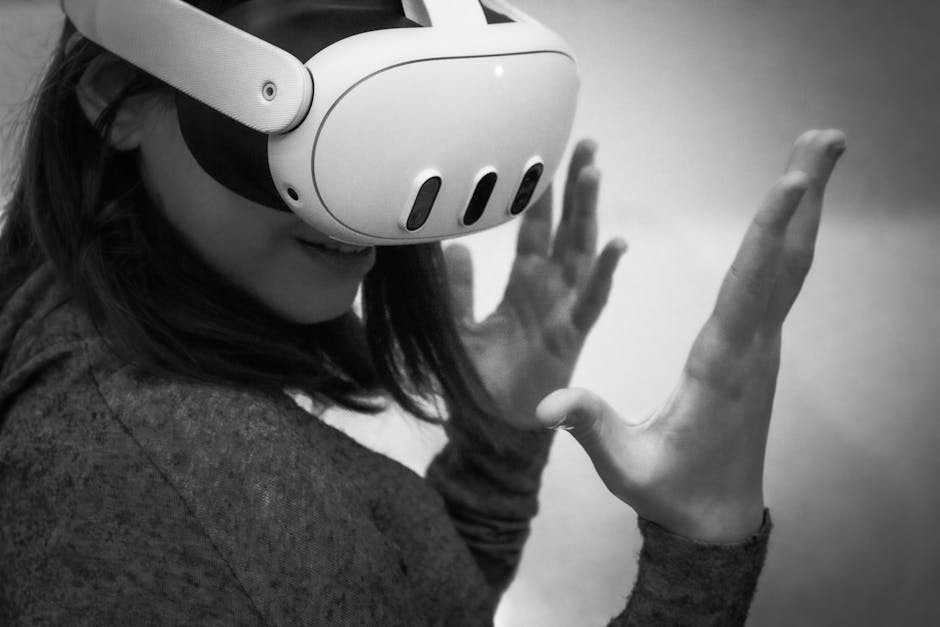
The metaverse is no longer a distant dream; it's a rapidly evolving reality, and designers need to be ready to create immersive experiences for virtual and augmented reality environments. Adobe is actively developing tools and workflows for designing in 3D and creating interactive VR/AR experiences. This opens up a whole new realm of creative possibilities.
What does designing for the immersive web entail?
- 3D Modeling and Texturing: Creating realistic and engaging 3D models for use in VR/AR environments. This requires a strong understanding of 3D modeling software like Adobe Substance 3D and Blender, as well as texturing techniques to add detail and realism.
- Interactive Design: Designing user interfaces and interactions that are intuitive and engaging in a virtual or augmented reality setting. This involves understanding principles of spatial design and creating interfaces that feel natural and immersive.
- Motion Graphics for VR/AR: Creating motion graphics and animations that enhance the immersive experience. This requires a strong understanding of animation principles and the ability to create content that is optimized for VR/AR devices.
- User Experience (UX) Design for VR/AR: Designing user experiences that are seamless, intuitive, and enjoyable in a virtual or augmented reality environment. This involves understanding user behavior in VR/AR and creating interfaces that are easy to navigate and use.
- Accessibility in VR/AR: Ensuring that VR/AR experiences are accessible to users with disabilities. This involves considering factors such as motion sickness, visual impairments, and hearing impairments, and designing interfaces that are inclusive and user-friendly.
Adobe's acquisition of Substance 3D signifies their commitment to this space. Expect to see further integration of 3D workflows into Adobe's existing design tools, making it easier for designers to create immersive experiences for the metaverse.
Sustainable Design: Conscious Choices for a Better Future

As designers, we have a responsibility to create work that is not only visually appealing but also environmentally responsible. Sustainable design is no longer a niche trend; it's a fundamental imperative. Adobe is actively promoting sustainable practices within its own operations and empowering designers to make conscious choices that minimize their environmental impact.
What does sustainable design look like?
- Eco-Friendly Materials: Choosing sustainable materials for print design, such as recycled paper, plant-based inks, and biodegradable packaging.
- Optimized File Sizes: Reducing file sizes to minimize energy consumption during transmission and storage. This is especially important for web design and digital advertising.
- Accessible Design: Creating designs that are accessible to people with disabilities, reducing the need for alternative formats and minimizing waste.
- Long-Lasting Design: Creating designs that are timeless and durable, reducing the need for frequent redesigns and minimizing waste.
- Promoting Sustainable Practices: Using design to promote sustainable practices and raise awareness about environmental issues.
This also extends to considering the lifespan of digital products and services. Designing for longevity, minimizing server usage, and promoting responsible consumption are all part of the equation. Adobe is actively working on reducing its carbon footprint and providing resources to help designers make more sustainable choices.
Conclusion: Embrace the Change, Fuel Your Creativity

The graphic design landscape is constantly evolving, and 2025 promises to be a year of exciting innovation and transformation. By embracing these trends, mastering new tools and techniques, and staying true to your artistic vision, you can create designs that are not only visually stunning but also meaningful, impactful, and sustainable. Let's harness the power of design to shape a better future, one pixel at a time. Keep creating, keep exploring, and never stop dreaming!
Post a Comment