Art Deco in 9 Minutes: Why Is It The Most Popular Architectural Style? 🗽
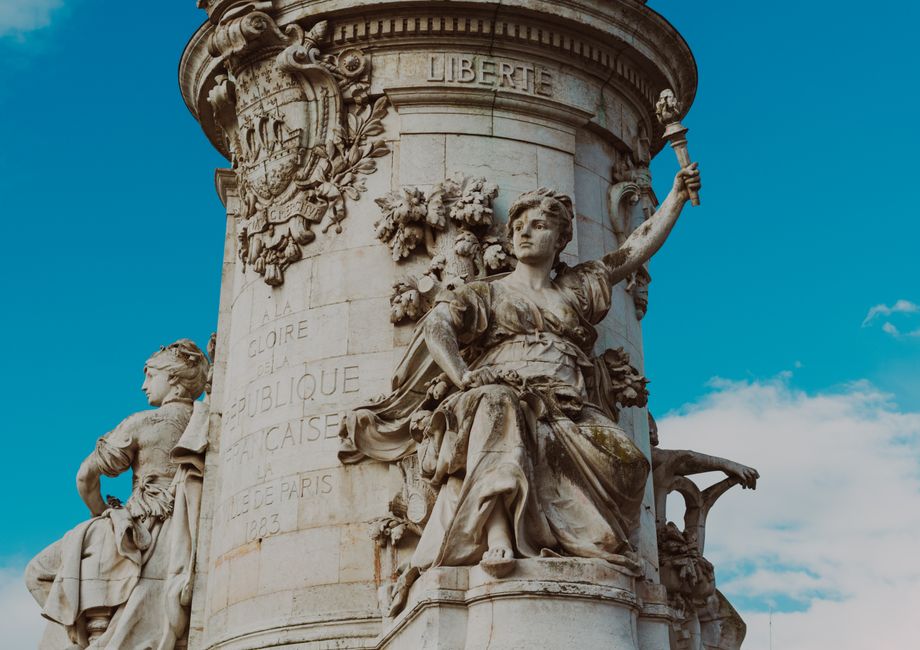
Art Deco in 9 Minutes: Why Is It The Most Popular Architectural Style? 🗽
Hello, fellow art lovers and design aficionados! Buckle up, because we're about to take a whirlwind tour through one of the most glamorous and enduring architectural styles ever conceived: Art Deco. And we'll do it in roughly the time it takes to brew a perfect cup of coffee – or maybe listen to a swingin' jazz tune. Why Art Deco? Well, because it's simply stunning! But also because its impact on everything from skyscrapers to jewelry is undeniable.
I like to think of Art Deco as the architectural equivalent of a perfectly tailored tuxedo – sleek, sophisticated, and always making a statement. It's that visual pizzazz that just keeps drawing us back. It's an aesthetic that embodies the spirit of progress, luxury, and a touch of rebellion against the past. Let's dive in!
A Brief History: From Paris to the World 🌍

The seeds of Art Deco were sown in the early 20th century, particularly in the years leading up to World War I. Artists and designers were yearning for something new, something that would celebrate modernity while still retaining a sense of artistry. They looked to a variety of sources for inspiration, including:
a. Ancient Egypt: The discovery of Tutankhamun's tomb in 1922 sent waves of Egyptian motifs and geometric patterns throughout the design world. Think stylized lotus blossoms, sunbursts, and hieroglyphic-inspired details.
b. Aztec and Mayan Cultures: The bold geometric shapes and stepped forms of pre-Columbian architecture resonated with the Art Deco sensibility, offering a raw and powerful visual language.
c. Ballet Russes: The vibrant colors, exotic costumes, and dramatic sets of Sergei Diaghilev's ballet company infused a sense of theatricality and glamour into the Art Deco movement.
d. Machine Age: The rise of industrialization and the advent of automobiles, airplanes, and skyscrapers fueled a fascination with speed, efficiency, and the streamlined aesthetic of machines.
e. Cubism and Futurism: These avant-garde art movements challenged traditional notions of representation and embraced abstraction, geometric forms, and a dynamic sense of movement.
The term "Art Deco" itself wasn't coined until the 1960s, but the style truly took center stage at the 1925 Exposition Internationale des Arts Décoratifs et Industriels Modernes in Paris. This world's fair showcased the best in modern design, highlighting the sleek lines, opulent materials, and geometric ornamentation that would come to define the Art Deco aesthetic.
Key Characteristics: Spotting the Deco Vibe 👀

So, what exactly makes a building, a piece of furniture, or even a piece of jewelry scream "Art Deco"? Here are some tell-tale signs:
1. Geometric Shapes: Think zigzags, chevrons, sunbursts, and stepped forms. These geometric motifs are used both structurally and decoratively, creating a sense of order and dynamism.
2. Streamlined Forms: Inspired by the Machine Age, Art Deco often features sleek, aerodynamic shapes that evoke a sense of speed and efficiency. Rounded corners and smooth surfaces are common.
3. Opulent Materials: Art Deco is all about luxury and glamour. Expect to see lavish materials like polished chrome, stainless steel, exotic woods, inlaid stone, and shimmering glass.
4. Bold Colors: While a range of colors can be found in Art Deco, bold, contrasting hues are particularly characteristic. Think combinations of black and gold, emerald green and silver, or vibrant reds and blues.
5. Stylized Motifs: Look for stylized representations of natural forms, such as flowers, animals, and sunbursts. These motifs are often simplified and geometricized, reflecting the Art Deco aesthetic.
6. Vertical Emphasis: Art Deco buildings often feature strong vertical lines that accentuate their height and create a sense of grandeur. This is particularly evident in skyscrapers.
7. Symmetry and Balance: While Art Deco embraces dynamism, it also values symmetry and balance. This creates a sense of order and harmony within the overall design.
Art Deco's Global Footprint: From New York to Shanghai 🌇

Art Deco wasn't confined to Paris; it spread like wildfire across the globe, adapting and evolving to suit local tastes and cultures. Some of the most iconic Art Deco cities include:
New York City: Home to architectural marvels like the Chrysler Building and the Empire State Building (which has Art Deco elements), New York is a veritable Art Deco playground. The city's skyscrapers embody the style's vertical emphasis, geometric ornamentation, and sense of grandeur.
Miami Beach: The Art Deco Historic District in Miami Beach is a dazzling display of pastel-colored buildings with streamlined forms, geometric details, and whimsical ornamentation. This area is a preservation success story, showcasing the beauty and resilience of Art Deco architecture.
Shanghai: During the 1920s and 1930s, Shanghai experienced a building boom that resulted in a wealth of Art Deco architecture. These buildings often blend Art Deco principles with Chinese motifs, creating a unique and fascinating fusion of styles.
Mumbai (Bombay): India boasts a surprising wealth of Art Deco architecture, particularly in Mumbai. The city's Art Deco buildings often incorporate Indian motifs and materials, resulting in a distinctive regional variation of the style.
Paris: Of course, we can't forget the city where it all began! Paris is still home to numerous Art Deco masterpieces, including theaters, hotels, and apartment buildings that showcase the style's elegance and sophistication.
Why is Art Deco so Enduring? The Appeal of Glamour and Optimism ✨

So, why does Art Deco continue to captivate us nearly a century after its heyday? I think it boils down to a few key factors:
A. It's Visually Stunning: Let's face it, Art Deco is just plain beautiful. The sleek lines, geometric patterns, and opulent materials create a visual feast that's hard to resist. It's an aesthetic that's both elegant and exciting.
B. It Embodies Optimism: Art Deco emerged during a period of rapid technological advancement and social change. It represents a belief in progress, innovation, and the power of human ingenuity. That optimistic spirit still resonates with us today.
C. It's Glamorous and Luxurious: Art Deco evokes a sense of luxury, sophistication, and old-world glamour. It's an aesthetic that's associated with high society, jazz clubs, and the roaring twenties.
D. It's Adaptable: Art Deco can be incorporated into a wide range of designs, from architecture to furniture to fashion. Its principles can be adapted to suit different styles and contexts, making it a versatile and enduring design language.
E. It Offers a Touch of Escapism: In a world that can often feel chaotic and uncertain, Art Deco offers a welcome escape into a realm of beauty, elegance, and sophistication. It's a reminder that beauty and artistry can still thrive in the modern world.
Art Deco Today: A Continuing Legacy 🎨
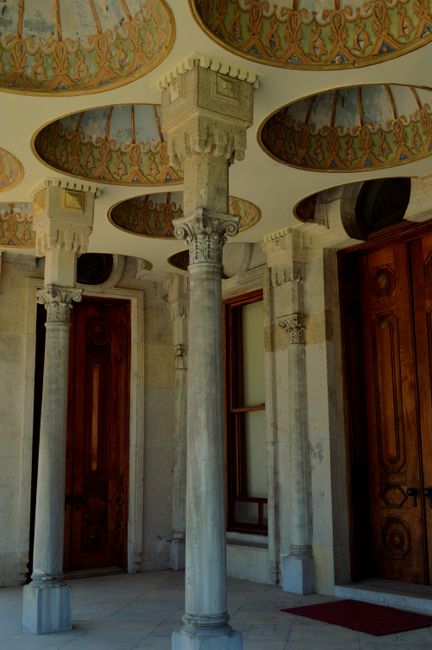
Art Deco may have originated in the 1920s and 1930s, but its influence is still felt today. We see echoes of Art Deco in:
1. Architecture: Many contemporary buildings incorporate Art Deco elements, such as geometric patterns, streamlined forms, and opulent materials.
2. Interior Design: Art Deco furniture, lighting, and accessories are highly sought after by collectors and designers. The style's emphasis on luxury and glamour makes it a popular choice for high-end interiors.
3. Graphic Design: Art Deco typography, logos, and posters are instantly recognizable and continue to inspire graphic designers today.
4. Fashion: Art Deco's influence can be seen in contemporary fashion trends, such as geometric prints, metallic fabrics, and beaded embellishments.
5. Jewelry: Art Deco jewelry is characterized by its geometric shapes, bold colors, and use of precious materials. These pieces are often highly collectible and continue to inspire contemporary jewelry designers.
Ultimately, Art Deco's enduring popularity speaks to its timeless appeal. It's a style that embodies beauty, elegance, optimism, and a touch of rebellion. It's a reminder that design can be both functional and beautiful, practical and inspiring.
Embracing the Deco Spirit: A Call to Creativity 💫

So, how can you embrace the Art Deco spirit in your own life? Here are a few ideas:
Visit Art Deco Landmarks: Take a trip to one of the many cities that boast significant Art Deco architecture. Explore the buildings, admire the details, and soak up the atmosphere.
Incorporate Art Deco Elements into Your Home: Add a touch of Art Deco to your home with furniture, lighting, or accessories that reflect the style's aesthetic.
Create Art Deco-Inspired Artwork: Unleash your creativity and create your own Art Deco-inspired artwork, whether it's a painting, a sculpture, or a piece of graphic design.
Dress the Part: Embrace the glamour of the Art Deco era with clothing and accessories that reflect the style's aesthetic.
Learn More: Dive deeper into the history and principles of Art Deco by reading books, watching documentaries, or attending lectures.
Art Deco is more than just a design style; it's a way of thinking, a way of seeing the world. It's an invitation to embrace beauty, optimism, and the power of human creativity. So, go forth and explore the world of Art Deco – you might just discover a whole new level of inspiration! And remember, design isn't just what things look like, but how they make you feel. Happy designing!
Post a Comment