Creative Illustration Drawing Ideas: Unleash Your Child's Inner Artist
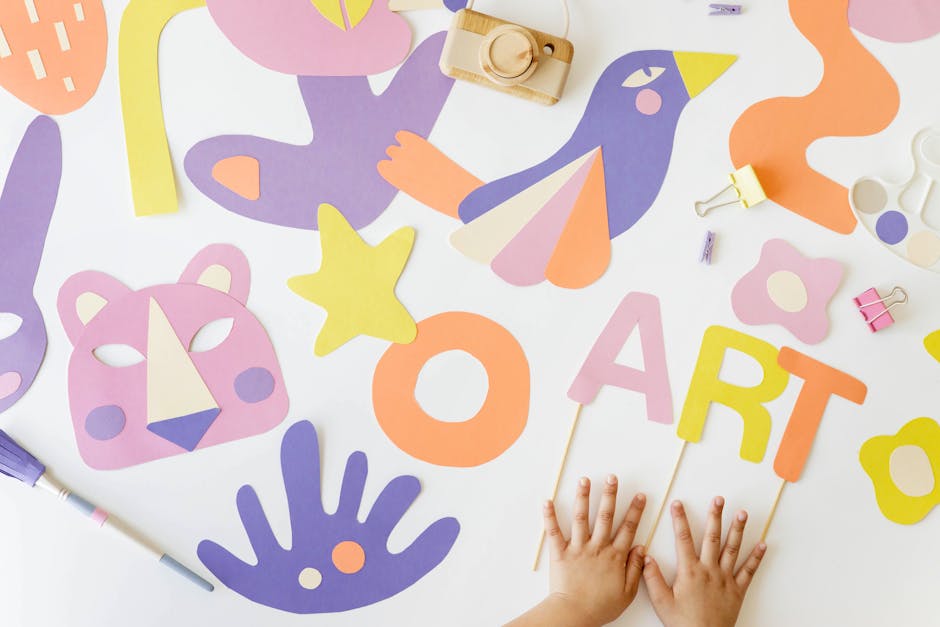
Creative Illustration Drawing Ideas: Unleash Your Child's Inner Artist
Hello fellow art enthusiasts! Gather 'round, for today we embark on a vibrant journey into the realm of children's art, specifically illustration drawing. As someone who believes that a blank page is an invitation to adventure, I'm thrilled to share a treasure trove of creative ideas to spark imagination and keep those little hands happily occupied. Let's dive in!
Why Illustration Matters: More Than Just Pretty Pictures
Illustration isn't merely about creating beautiful images; it's about telling stories, expressing emotions, and fostering crucial cognitive skills. For children, drawing is a form of communication, a way to translate their inner world onto paper.
It helps them develop:
a. Fine motor skills: Holding a crayon, pencil, or paintbrush strengthens those tiny muscles.
b. Visual-spatial reasoning: Understanding shapes, sizes, and perspective lays the groundwork for math and science.
c. Imagination and creativity: Illustration provides an outlet for boundless ideas.
d. Emotional expression: Art allows children to process and communicate their feelings.
e. Problem-solving skills: Figuring out how to represent an idea visually encourages creative problem-solving.
So, by encouraging illustration, we're nurturing well-rounded individuals! Now, let's get to the fun part – the ideas!
Sparking Imagination: Illustration Drawing Ideas for Kids
These ideas are designed to be flexible and adaptable to various age groups and skill levels. The most important thing is to encourage experimentation and celebrate the process, not just the outcome.
1. Monster Mash:
What's more fun than creating your own imaginary creatures? Encourage your child to draw a monster with as many eyes, arms, or legs as they can think of. Add quirky details like polka dots, stripes, or unusual textures. You can even provide prompts like, "What does your monster eat?" or "Where does your monster live?" to further inspire their illustrations. Think vibrant colors and exaggerated features!
2. Dream Houses:
Imagine the most fantastical house possible! Does it float in the clouds? Is it underwater? Is it made of gingerbread? Let your child design their dream house, complete with all the rooms and features they desire. Encourage them to think about the exterior, the interior decorations, and even the surrounding landscape. Perhaps a slide from the bedroom to the kitchen? A secret garden? The possibilities are endless!
3. Animal Adventures:
Choose an animal, any animal! Now, imagine that animal embarking on an exciting adventure. Is it a penguin exploring the jungle? A lion lost in the desert? Encourage your child to illustrate the animal's journey, encountering different landscapes, characters, and challenges along the way. This exercise fosters narrative skills and encourages them to think about cause and effect.
4. Food Fantasies:
Turn ordinary food into extraordinary illustrations! Draw a piece of fruit with a face, a loaf of bread with legs, or a vegetable with superpowers. Encourage your child to personify their favorite foods and create humorous scenarios around them. Imagine a broccoli superhero fighting crime or a banana detective solving mysteries!
5. Self-Portrait Adventures:
Instead of a traditional self-portrait, have your child draw themselves as a superhero, a princess, a wizard, or any character they admire. Encourage them to imagine themselves in different situations and illustrate those scenarios. This helps them explore their identity and develop self-expression.
6. Doodle Art:
Sometimes, the simplest ideas are the most effective. Encourage your child to fill a page with random doodles – shapes, lines, patterns – and then transform those doodles into recognizable objects or characters. This exercise encourages spontaneous creativity and helps them see possibilities in the unexpected.
7. Comic Strip Creation:
Introduce the concept of comic strips and encourage your child to create their own. Start with a simple story idea, like a character trying to solve a problem. Then, guide them through the process of breaking the story down into panels and adding dialogue bubbles. This activity promotes storytelling, sequencing, and character development.
8. Nature Illustrations:
Take a walk in nature and collect leaves, flowers, and twigs. Use these natural elements as inspiration for illustrations. Encourage your child to draw the shapes, textures, and patterns they observe in nature. They can even create rubbings using crayons and paper to capture the details of the leaves.
9. "Finish the Drawing" Challenge:
Start a drawing with a few simple lines or shapes and then challenge your child to finish it. This encourages them to think creatively and find innovative solutions to visual problems. It also fosters collaboration and encourages them to build upon existing ideas.
10. Abstract Art Explorations:
Introduce the concept of abstract art and encourage your child to experiment with colors, shapes, and textures without trying to represent anything specific. This allows them to explore their emotions and express themselves freely without the constraints of realism.
Keeping Kids Busy: Art & Craft Activities Beyond Drawing
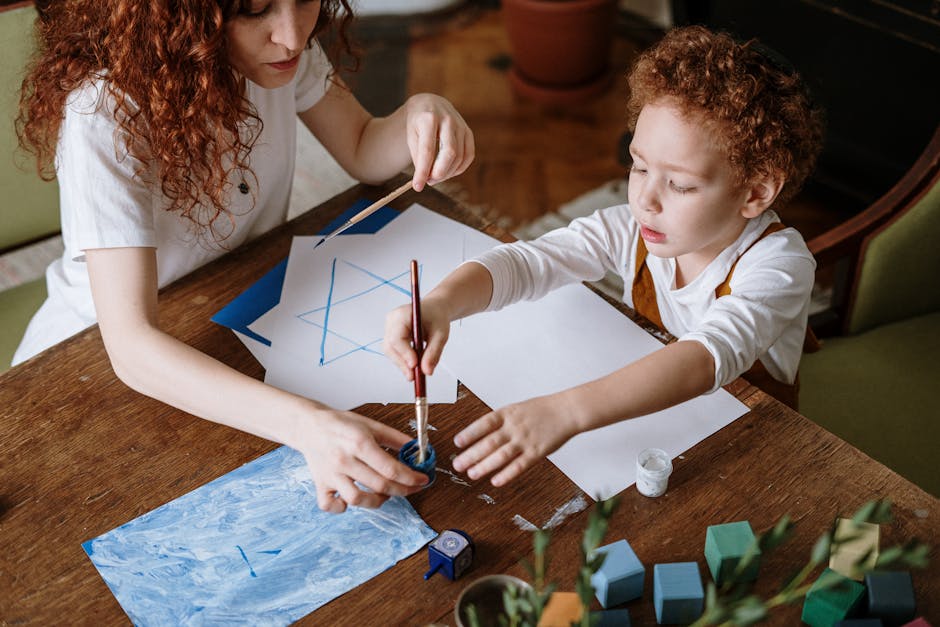
While drawing is fantastic, let's expand our horizons with some complementary art and craft activities that can keep kids engaged and entertained for hours.
1. DIY Storybook:
Encourage your child to write and illustrate their own storybook. They can fold paper into a booklet and then fill it with their own stories and drawings. This activity combines writing, illustration, and storytelling, fostering a love of literacy and creativity.
2. Homemade Playdough Creations:
Making playdough is a fun and tactile activity in itself! Once the playdough is ready, encourage your child to sculpt animals, monsters, food, or anything else they can imagine. They can even use tools like cookie cutters and rolling pins to add texture and detail to their creations.
3. Collage Creations:
Gather magazines, newspapers, fabric scraps, and other recycled materials and encourage your child to create collages. They can cut, paste, and arrange the materials to create abstract designs, landscapes, or portraits. This activity promotes fine motor skills, creativity, and resourcefulness.
4. Finger Painting Fun:
Sometimes, the simplest activities are the most fun. Let your child explore the joy of finger painting, using their fingers to create colorful patterns and designs on paper. This activity encourages sensory exploration and allows them to express themselves freely.
5. Nature Crafts:
Use natural materials like leaves, twigs, and stones to create nature-based crafts. Your child can glue leaves onto paper to create leaf rubbings, build miniature houses out of twigs, or paint stones to create colorful characters. This activity connects them with nature and encourages them to appreciate the beauty of the natural world.
6. Mask Making Madness:
Provide cardboard, paper plates, or felt and encourage your child to create their own masks. They can decorate the masks with feathers, sequins, glitter, and other embellishments. This activity encourages imaginative play and allows them to transform themselves into different characters.
7. DIY Stamps:
Cut shapes out of potatoes, apples, or sponges and use them to create homemade stamps. Your child can then use these stamps to create patterns, designs, and artwork on paper or fabric. This activity encourages creativity and allows them to experiment with different textures and patterns.
8. Bead Creations:
String beads onto pipe cleaners, yarn, or string to create bracelets, necklaces, and other jewelry. This activity promotes fine motor skills, hand-eye coordination, and creativity. Your child can experiment with different colors, shapes, and patterns to create unique and personalized designs.
9. Rock Painting:
Find smooth rocks and let your child paint them with acrylic paints. They can create animals, characters, or abstract designs. Once the paint is dry, they can seal the rocks with a clear sealant to protect the artwork.
10. Upcycled Art Projects:
Turn discarded materials into art! Old cereal boxes become canvases, plastic bottles transform into planters, and egg cartons become whimsical creatures. This teaches resourcefulness and encourages creative problem-solving.
Tips for a Successful Art Experience

To ensure a positive and enriching art experience for your child, keep these tips in mind:
a. Provide a dedicated art space: Even a small corner can be transformed into an inspiring art area.
b. Keep art supplies readily available: Make it easy for your child to access their art materials whenever inspiration strikes.
c. Focus on the process, not the product: Encourage experimentation and celebrate the joy of creating.
d. Offer positive feedback: Focus on specific aspects of their artwork that you appreciate, such as their use of color or their creative ideas.
e. Avoid comparisons: Every child is unique, and their artwork should be celebrated for its own individual merits.
f. Display their artwork: Showcasing their creations will boost their confidence and encourage them to continue creating.
g. Join in the fun: Art is even more enjoyable when shared. Get involved and create your own masterpieces alongside your child.
h. Don't be afraid of mess: Embrace the messiness of art and provide aprons or old clothes to protect your child's clothing.
i. Encourage experimentation: Let your child explore different materials and techniques without fear of failure.
j. Visit art museums and galleries: Exposing your child to different art forms can inspire their own creativity and broaden their artistic horizons.
Final Thoughts: Nurturing a Lifelong Love of Art
Art is more than just a hobby; it's a powerful tool for self-expression, creativity, and personal growth. By providing your child with opportunities to explore their artistic talents, you're giving them a gift that will last a lifetime. So, embrace the mess, celebrate the creativity, and let their imaginations soar! Remember, every scribble, every doodle, every brushstroke is a step on their artistic journey. Let's encourage them to keep creating, keep exploring, and keep expressing themselves through the wonderful world of art. Happy drawing!
Post a Comment