Every Art Movement Explained In 8 Minutes: A Whirlwind Tour Through Art History

Every Art Movement Explained In 8 Minutes: A Whirlwind Tour Through Art History
Hello fellow art enthusiasts! Buckle up, because we're about to embark on a thrilling, kaleidoscopic journey through the ages – all in a mere eight minutes! Forget dusty textbooks and dry lectures; we're going to experience the heart and soul of each major art movement, tasting its flavor and understanding its revolutionary spirit. Are you ready? Let's dive into the whirlwind!
1. The Renaissance (Approx. 1400-1600): Rebirth of Beauty

Imagine stepping out of a long, dark tunnel and into the bright, sunlit Italian countryside. That's the Renaissance! A "rebirth" (rinascita in Italian) of classical art and learning, this movement celebrated human potential, beauty, and the rediscovery of ancient Greek and Roman knowledge. Think perfect proportions, vibrant colors, and a newfound appreciation for the human form. Leonardo da Vinci, Michelangelo, Raphael – these are the titans whose works still inspire awe centuries later.
Key characteristics:
- Humanism: A focus on human values and potential.
- Realism and Perspective: A strive for accurate representation of the world.
- Classical Influence: Drawing inspiration from ancient Greece and Rome.
- Patronage: Wealthy families like the Medici supported artists.
Think: The Mona Lisa's enigmatic smile, Michelangelo's powerful David, and the architectural grandeur of St. Peter's Basilica.
2. Baroque (Approx. 1600-1750): Drama and Grandeur
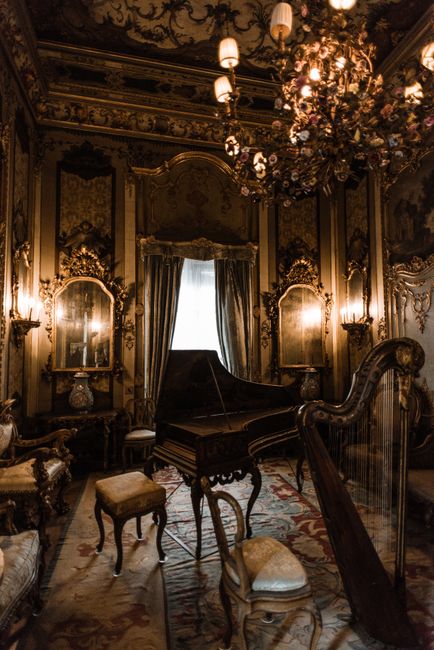
Hold onto your hats! The Baroque period cranks up the volume. Forget the serene balance of the Renaissance; Baroque is all about drama, emotion, and extravagant ornamentation. Think swirling compositions, intense light and shadow (chiaroscuro), and a sense of overwhelming power. This was the art of kings, queens, and the Catholic Church, designed to impress and inspire awe.
Key characteristics:
- Drama and Emotion: Intense feelings and dramatic scenes.
- Chiaroscuro: Strong contrasts between light and dark.
- Ornamentation: Elaborate details and decorations.
- Movement and Energy: A sense of dynamism and action.
Think: Bernini's sculptures, Caravaggio's dramatic paintings, and the opulent architecture of Versailles.
3. Rococo (Approx. 1730-1770): Frivolity and Elegance
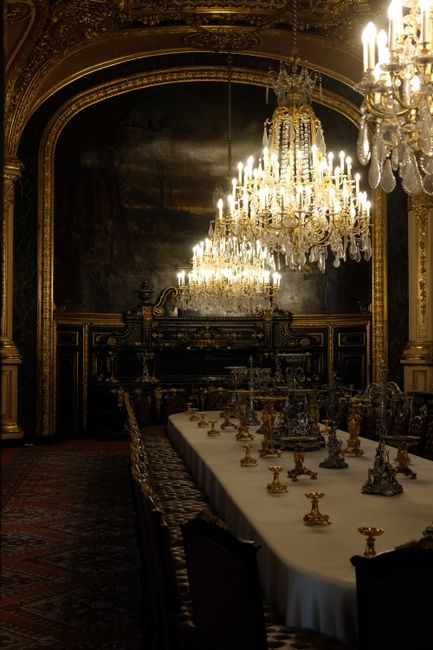
Imagine stepping into a pastel-colored dream world filled with cherubs, silk gowns, and playful scenes. That's Rococo! A lighter, more frivolous offshoot of the Baroque, Rococo emphasized elegance, grace, and the pleasures of the aristocracy. Think delicate brushstrokes, pastel palettes, and scenes of love, leisure, and fantasy.
Key characteristics:
- Light and Pastel Colors: Soft, delicate hues.
- Ornamentation: Even more elaborate than Baroque, with intricate details.
- Asymmetry: A move away from strict symmetry.
- Themes of Love and Leisure: Depictions of aristocratic life.
Think: Fragonard's "The Swing," Boucher's mythological scenes, and the opulent interiors of palaces like the Amalienburg in Munich.
4. Neoclassicism (Approx. 1750-1850): Back to the Classics (Again!)

A reaction against the perceived excesses of the Rococo, Neoclassicism sought to return to the order, reason, and simplicity of classical art. Inspired by the rediscovery of Pompeii and Herculaneum, Neoclassical artists emphasized clear lines, balanced compositions, and moralizing subjects. Think virtue, heroism, and a return to the ideals of ancient Greece and Rome.
Key characteristics:
- Order and Reason: Emphasis on clarity and structure.
- Classical Inspiration: Drawing heavily from ancient Greek and Roman art.
- Moralizing Subjects: Depictions of virtue, heroism, and patriotism.
- Linear Style: Emphasis on clear lines and contours.
Think: David's "Oath of the Horatii," Canova's sculptures, and the architectural designs of Thomas Jefferson.
5. Romanticism (Approx. 1780-1850): Emotion and Imagination

Get ready to feel! Romanticism rejects the cold rationality of Neoclassicism and embraces emotion, imagination, and the power of nature. Think dramatic landscapes, passionate heroes, and a celebration of individual experience. This was an art of rebellion, longing, and the sublime – that feeling of awe and terror inspired by the immensity of the natural world.
Key characteristics:
- Emotion and Imagination: Emphasis on feelings and personal experience.
- Nature: A powerful and awe-inspiring force.
- Individualism: Celebration of the unique individual.
- The Sublime: The feeling of awe and terror inspired by nature.
Think: Delacroix's "Liberty Leading the People," Turner's dramatic seascapes, and the poetry of William Wordsworth.
6. Realism (Approx. 1840-1870): Truth and Honesty

Enough with the romantic fantasies! Realism sought to depict the world as it truly was, without idealization or sentimentality. Think everyday scenes, working-class people, and a focus on social issues. Realist artists believed in portraying the truth, even if it was ugly or uncomfortable.
Key characteristics:
- Truthful Depiction: Portraying the world as it is, without idealization.
- Everyday Subjects: Focus on ordinary people and scenes.
- Social Commentary: Addressing social issues and inequalities.
- Rejection of Romanticism: A move away from idealized representations.
Think: Courbet's "The Stone Breakers," Millet's depictions of peasant life, and the novels of Charles Dickens.
7. Impressionism (Approx. 1860-1890): Capturing the Moment

Let there be light! Impressionism revolutionized painting by focusing on the fleeting effects of light and color. Think loose brushstrokes, vibrant palettes, and a focus on capturing the "impression" of a scene rather than a detailed representation. Monet, Renoir, Degas – these artists dared to paint what they saw, not what they thought they knew.
Key characteristics:
- Light and Color: Emphasis on the effects of light and color.
- Loose Brushstrokes: Visible, unblended brushstrokes.
- En Plein Air: Painting outdoors, directly from nature.
- Capturing the Moment: Focus on fleeting impressions.
Think: Monet's "Impression, Sunrise," Renoir's scenes of Parisian life, and Degas' ballerinas.
8. Post-Impressionism (Approx. 1880-1910): Beyond Impressionism

A diverse and influential movement, Post-Impressionism built upon the foundations of Impressionism while also rejecting its limitations. Think vibrant colors, expressive brushstrokes, and a focus on personal expression. Artists like Van Gogh, Cézanne, and Gauguin explored different paths, pushing the boundaries of painting and paving the way for modern art.
Key characteristics:
- Personal Expression: Emphasis on the artist's individual vision.
- Vibrant Colors: Use of bold and expressive colors.
- Experimentation with Form: Exploration of different styles and techniques.
- Rejection of Impressionism's Limitations: Moving beyond capturing fleeting impressions.
Think: Van Gogh's "Starry Night," Cézanne's still lifes, and Gauguin's Tahitian paintings.
9. Fauvism (Approx. 1905-1908): Wild Beasts of Color

Get ready for a burst of pure, unadulterated color! Fauvism was a short-lived but influential movement characterized by its bold, arbitrary use of color. Think Matisse, Derain, and Vlaminck painting with wild abandon, using color as a primary means of expression rather than to represent reality.
Key characteristics:
- Bold, Arbitrary Colors: Use of color independent of reality.
- Simplified Forms: Reduction of forms to their essentials.
- Energetic Brushstrokes: Expressive and dynamic brushwork.
- Emphasis on Emotion: Conveying emotion through color.
Think: Matisse's "Woman with a Hat," Derain's "The Turning Road, L'Estaque," and Vlaminck's landscapes.
10. Expressionism (Approx. 1905-1930): Inner Turmoil

Dive deep into the human psyche! Expressionism sought to express inner emotions and anxieties through distorted forms, jarring colors, and emotionally charged subjects. Think Munch's "The Scream," a powerful depiction of existential dread, and the stark woodcuts of the German Expressionists.
Key characteristics:
- Emotional Intensity: Expression of intense emotions and anxieties.
- Distorted Forms: Exaggerated and distorted shapes.
- Bold Colors: Use of striking and unconventional colors.
- Subjective Perspective: Representing the world from a personal and emotional viewpoint.
Think: Munch's "The Scream," Kirchner's street scenes, and the paintings of Egon Schiele.
11. Cubism (Approx. 1907-1914): Shattering Reality

Prepare for a visual revolution! Cubism, pioneered by Picasso and Braque, shattered the traditional rules of perspective and representation. Think fragmented forms, multiple viewpoints, and an attempt to depict objects from all angles simultaneously. This was a radical departure from traditional art, paving the way for abstract art.
Key characteristics:
- Fragmentation: Breaking down objects into geometric forms.
- Multiple Viewpoints: Depicting objects from multiple perspectives simultaneously.
- Abstract Forms: Moving away from realistic representation.
- Geometric Shapes: Use of geometric shapes to construct images.
Think: Picasso's "Les Demoiselles d'Avignon," Braque's analytical cubist paintings, and the sculptures of Alexander Archipenko.
12. Surrealism (Approx. 1920s-1950s): Dreams and the Unconscious

Enter the world of dreams and the unconscious! Surrealism explored the realm of the irrational, the illogical, and the dreamlike. Think Dali's melting clocks, Magritte's paradoxical paintings, and the exploration of the subconscious mind. This was an art of fantasy, desire, and the unexpected.
Key characteristics:
- Dreamlike Imagery: Depiction of fantastical and surreal scenes.
- Unconscious Exploration: Exploring the realm of the unconscious mind.
- Juxtaposition: Combining unexpected and unrelated elements.
- Automatic Writing and Drawing: Techniques for accessing the subconscious.
Think: Dali's "The Persistence of Memory," Magritte's "The Treachery of Images," and the writings of André Breton.
13. Abstract Expressionism (Approx. 1940s-1950s): Action Painting
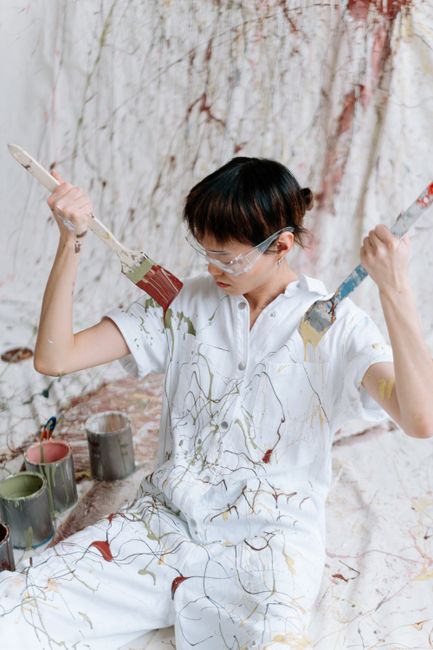
Let loose on the canvas! Abstract Expressionism was a post-World War II movement that emphasized spontaneous, gestural painting. Think Pollock's drip paintings, de Kooning's energetic brushstrokes, and the expression of pure emotion through abstract forms. This was an art of freedom, experimentation, and the individual artist's process.
Key characteristics:
- Spontaneous Gestures: Emphasis on spontaneous and energetic brushwork.
- Abstract Forms: Non-representational imagery.
- Large-Scale Canvases: Painting on large canvases.
- Emphasis on Process: The act of painting as important as the finished product.
Think: Pollock's drip paintings, de Kooning's "Woman" series, and the color field paintings of Rothko.
14. Pop Art (Approx. 1950s-1960s): Celebrating Popular Culture

Embrace the everyday! Pop Art celebrated popular culture, mass media, and consumerism. Think Warhol's soup cans and celebrity portraits, Lichtenstein's comic book panels, and the use of bold colors and graphic imagery. This was an art that blurred the boundaries between high art and low culture.
Key characteristics:
- Popular Culture Imagery: Use of images from advertising, comics, and mass media.
- Bold Colors: Use of bright and eye-catching colors.
- Repetition: Repeating images to create a sense of mass production.
- Irony and Humor: Often using humor and irony to comment on society.
Think: Warhol's "Campbell's Soup Cans," Lichtenstein's comic book paintings, and the sculptures of Claes Oldenburg.
Phew! That was quite the sprint through art history! Of course, this is just a brief overview, and each movement deserves much deeper exploration. But hopefully, this whirlwind tour has given you a taste of the incredible diversity and innovation that exists within the world of art. Now, go forth and explore, create, and be inspired! The world is your canvas!
Post a Comment