Every Art Style Explained in 10 Minutes: A whirlwind tour for creative souls

Every Art Style Explained in 10 Minutes: A whirlwind tour for creative souls
Hello, fellow art enthusiasts! Ever feel like you're wandering through an art gallery labyrinth, a little lost in the sea of 'isms' and techniques? Don't worry, you're not alone! Today, we're embarking on a lightning-fast journey through the most significant art styles. Buckle up, because in just 10 minutes, you'll gain a surprisingly clear understanding of the artistic landscape. Think of it as your personal art history speed-dating session. Ready?
Renaissance: Rebirth of Beauty

Our adventure begins with the Renaissance (roughly 14th-17th centuries). Imagine a world emerging from the Middle Ages, rediscovering the beauty and intellectual pursuits of classical Greece and Rome. It was a rebirth, not just artistically but intellectually. Think of it as art getting its groove back after a long nap!
Key Characteristics:
- Realism and Humanism: A focus on accurate portrayal of the human form and celebrating human potential. Look at Michelangelo's David – pure human perfection.
- Perspective: Mastering the illusion of depth on a flat surface. Leonardo da Vinci's "The Last Supper" is a masterclass in linear perspective.
- Classical Themes: Depictions of mythology, history, and portraits inspired by ancient civilizations. Botticelli's "Birth of Venus" is a prime example.
- Religious Subjects: Still prevalent, but with a more humanistic and relatable approach.
Think: Da Vinci, Michelangelo, Raphael, Botticelli. Imagine grand frescoes, sculptures brimming with life, and paintings that make you feel like you can step right into the scene.
Baroque: Drama and Grandeur
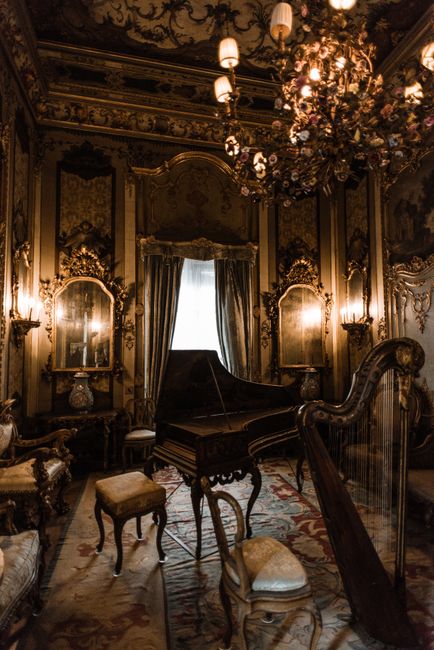
Next up, we have the Baroque period (roughly 1600-1750). This style is all about drama, emotion, and over-the-top grandeur. Imagine the Renaissance, but turned up to eleven! It's bold, theatrical, and designed to overwhelm the senses.
Key Characteristics:
- Dramatic Light and Shadow (Chiaroscuro): Creating intense contrasts to heighten the emotional impact. Rembrandt's portraits are masters of this technique.
- Movement and Energy: Dynamic compositions that capture moments of intense action and emotion. Bernini's sculptures seem to be constantly in motion.
- Ornate Detail: Elaborate decorations and intricate details designed to impress and inspire awe. Think gilded palaces and opulent churches.
- Religious and Mythological Themes: Often used to convey powerful religious messages or celebrate the power of the ruling class.
Think: Caravaggio, Bernini, Rembrandt, Rubens. Picture dramatic scenes bathed in light, sculptures that seem to breathe, and paintings that are bursting with energy.
Rococo: Playful Elegance

Following the Baroque, we find the Rococo style (roughly 1730-1770). Think of it as Baroque's lighter, more playful cousin. It's still opulent, but with a focus on elegance, grace, and lighthearted themes. Imagine pastel colors, delicate details, and a general sense of frivolous fun.
Key Characteristics:
- Pastel Colors: Soft, delicate hues that create a light and airy atmosphere.
- Asymmetrical Compositions: More relaxed and informal arrangements than the symmetrical compositions of the Renaissance and Baroque periods.
- Ornamentation: Intricate and delicate decorative details, including shells, flowers, and scrolls.
- Themes of Love and Leisure: Depictions of aristocratic life, romance, and playful activities.
Think: Fragonard, Boucher, Watteau. Picture scenes of lovers in lush gardens, playful cherubs, and an overall feeling of refined indulgence.
Impressionism: Capturing Fleeting Moments

Now, let's fast forward to the Impressionism movement (roughly 1860s-1890s). Forget about perfectly rendered details! Impressionism is all about capturing the fleeting effects of light and color. Imagine artists painting outdoors ("en plein air"), trying to capture the essence of a scene in a single moment.
Key Characteristics:
- Emphasis on Light and Color: Using broken brushstrokes and pure colors to depict the way light reflects off surfaces.
- Outdoor Painting (En Plein Air): Capturing the immediacy and vibrancy of natural light.
- Visible Brushstrokes: Leaving brushstrokes visible to emphasize the process of painting and create a sense of movement.
- Everyday Subjects: Scenes of modern life, landscapes, and portraits of ordinary people.
Think: Monet, Renoir, Degas, Manet. Imagine shimmering water lilies, bustling cityscapes, and dancers caught in mid-motion – all painted with a sense of immediacy and vibrancy.
Post-Impressionism: Breaking the Rules

Building on Impressionism, Post-Impressionism (roughly 1880s-1910s) saw artists pushing the boundaries even further. Each artist developed their unique style, often reacting against the limitations of Impressionism. Imagine experimentation with color, form, and emotional expression.
Key Characteristics:
- Subjective Expression: Using art to convey personal emotions and ideas.
- Distorted Forms: Exaggerating or simplifying shapes to create a more expressive effect.
- Symbolic Use of Color: Using color to evoke specific emotions or meanings.
- Diverse Styles: Encompassing a wide range of individual approaches, from the pointillism of Seurat to the expressive brushstrokes of Van Gogh.
Think: Van Gogh, Cézanne, Gauguin, Seurat. Picture swirling starry nights, still lifes with simplified forms, and exotic landscapes filled with vibrant color.
Cubism: Seeing Multiple Perspectives

Hold on tight, because Cubism (roughly 1907-1920s) is about to blow your mind! Imagine breaking down objects into geometric shapes and showing them from multiple viewpoints simultaneously. It's like looking at the world through a shattered mirror and reassembling the pieces.
Key Characteristics:
- Fragmentation: Breaking down objects into geometric shapes and planes.
- Multiple Perspectives: Depicting objects from different angles at the same time.
- Abstract Forms: Reducing objects to their essential geometric forms.
- Monochromatic Color Palette: Often using a limited range of colors, such as browns, grays, and blacks.
Think: Picasso, Braque. Imagine portraits that look like puzzles, still lifes composed of geometric shapes, and a radical new way of seeing the world.
Surrealism: Dreams and the Unconscious
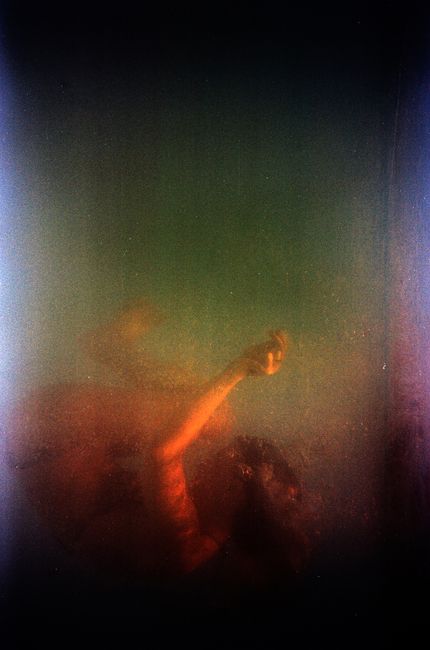
Prepare to enter the realm of dreams with Surrealism (roughly 1920s-1950s). Imagine tapping into the unconscious mind and bringing bizarre, illogical imagery to life. It's about exploring the irrational, the fantastical, and the hidden desires that lie beneath the surface of reality.
Key Characteristics:
- Dreamlike Imagery: Depicting bizarre, illogical, and often disturbing scenes.
- Juxtaposition: Combining unrelated objects and ideas in unexpected ways.
- Automatism: Creating art without conscious control, allowing the unconscious mind to guide the process.
- Exploration of the Unconscious: Tapping into the hidden desires, fears, and fantasies that lie beneath the surface of reality.
Think: Dalí, Magritte, Miró. Picture melting clocks, floating islands, and figures with distorted bodies – all rendered with meticulous detail and a sense of unsettling beauty.
Abstract Expressionism: Freedom of Expression

Now, let's embrace pure emotion with Abstract Expressionism (roughly 1940s-1950s). Imagine large-scale canvases filled with spontaneous brushstrokes, drips, and splatters of paint. It's about expressing inner feelings and experiences without the need for representational imagery. Freedom reigns!
Key Characteristics:
- Non-Representational: Avoiding recognizable subject matter and focusing on abstract forms and colors.
- Emphasis on Process: The act of painting is as important as the finished product.
- Spontaneity and Improvisation: Creating art through spontaneous gestures and impulsive decisions.
- Large-Scale Canvases: Creating immersive and overwhelming visual experiences.
Think: Pollock, Rothko, de Kooning. Picture canvases dripping with paint, fields of color that evoke powerful emotions, and a sense of raw, unfiltered energy.
Pop Art: Celebrating Popular Culture

Finally, let's dive into the world of Pop Art (roughly 1950s-1960s). Imagine taking inspiration from popular culture, advertising, and mass media. It's about celebrating the everyday objects and images that surround us, often with a sense of irony and humor. Think soup cans and comic strips elevated to high art.
Key Characteristics:
- Celebration of Popular Culture: Using images and themes from advertising, comic books, and mass media.
- Bold Colors and Graphics: Employing bright, saturated colors and simple, graphic designs.
- Mass Production Techniques: Using techniques such as screen printing to create multiple copies of artworks.
- Irony and Humor: Often incorporating a sense of irony and humor into the artwork.
Think: Warhol, Lichtenstein, Hockney. Picture soup cans, comic book panels blown up to monumental scale, and a celebration of the consumer culture that defines our modern world.
And there you have it! A whirlwind tour through some of the most influential art styles in history. Of course, this is just a glimpse into a vast and ever-evolving world. Each of these styles has its own nuances and variations, and there are countless other art movements and artists that deserve exploration. But hopefully, this crash course has given you a solid foundation for understanding and appreciating the incredible diversity of art.
Now, go forth and explore! Visit museums, browse art books, and most importantly, create your own art! Don't be afraid to experiment, to break the rules, and to find your own unique voice. After all, art is about expressing yourself and sharing your vision with the world. Happy creating!
Post a Comment