Graphic Design Trends 2024-2025: A Whirlwind of Creativity & Visual Enchantment
Graphic Design Trends 2024-2025: A Whirlwind of Creativity & Visual Enchantment
Hello, fellow visual wanderers! Welcome, welcome, step right up to the kaleidoscope of creativity that awaits us in the ever-evolving world of graphic design! As a soul steeped in ink, pixels, and the boundless potential of visual storytelling, I'm absolutely thrilled to share my insights into the graphic design trends poised to paint the landscape of 2024 and 2025. Buckle up, because we're about to embark on a vibrant journey through bold typography, mesmerizing color palettes, and design philosophies that celebrate both innovation and heartfelt connection.
Embracing the Sensory: Design That Evokes Emotion

Forget just seeing; we're entering an era where design feels. Think of it as synesthesia in visual form – design that awakens your senses beyond just sight. We're talking about textures you can almost feel, colors that trigger specific emotions, and layouts that guide your eye with an almost intuitive grace.
This trend is all about creating deeper, more meaningful connections with audiences. It's less about cold, calculated aesthetics and more about crafting experiences that resonate on a visceral level.
The Reign of Maximalism (with a Refined Twist)
Remember minimalism? Well, maximalism is back, baby! But not just any maximalism. We're talking about curated chaos – a delightful explosion of patterns, colors, and textures that somehow, miraculously, work together. The key is intention. Each element, no matter how seemingly random, must contribute to the overall narrative. Think of it as a meticulously orchestrated symphony of visual elements.
This isn't about throwing everything at the wall and seeing what sticks. It's about layering strategically to create depth, intrigue, and a sense of delightful discovery. Imagine vintage ephemera colliding with futuristic graphics, all held together by a cohesive color palette or a unifying theme. The result? A visual feast for the eyes that's both stimulating and sophisticated.
Neo-Brutalism: Raw, Authentic, and Unapologetically Bold

Prepare for a dose of unapologetic rawness! Neo-Brutalism is making a comeback, bringing with it a stark aesthetic that celebrates imperfections and challenges conventional notions of beauty. Think bold typography, grid-based layouts, and a preference for function over elaborate ornamentation. It's a rebellion against the polished perfection that has dominated the design world for so long.
This trend isn't about being ugly, but rather about being honest. It's about stripping away the fluff and revealing the raw structure beneath. Expect to see more websites and branding materials embracing this aesthetic, favoring usability and clarity over excessive visual flourishes. It's design that's unafraid to be different, to be challenging, and to make a statement.
The Allure of 3D: Immersion and Interactivity

Prepare to step into another dimension! 3D design is no longer a futuristic fantasy; it's a powerful tool for creating immersive and interactive experiences. From stunning product visualizations to captivating website animations, 3D elements are adding depth and realism to the digital landscape.
This trend allows designers to create worlds that feel tangible and believable, inviting users to explore and engage in new ways. Imagine interacting with a product in a virtual environment, rotating it, zooming in on the details, and experiencing it from every angle. This level of immersion creates a deeper connection and fosters a more memorable experience.
AI-Assisted Design: Collaboration, Not Replacement

The rise of artificial intelligence is undeniably shaping the future of design. But fear not, my fellow creatives! AI isn't here to replace us, but rather to augment our abilities and unlock new creative possibilities. Think of it as a powerful assistant that can handle repetitive tasks, generate variations of designs, and even offer suggestions based on data analysis.
AI can help us streamline our workflow, explore new ideas more quickly, and ultimately free up our time to focus on the aspects of design that truly require human creativity: concept development, emotional connection, and artistic vision. The future of design is a collaboration between human intuition and artificial intelligence, a harmonious partnership that pushes the boundaries of what's possible.
The Resurgence of Retro: Nostalgia with a Modern Twist

Everything old is new again! We're seeing a resurgence of retro aesthetics, with designers drawing inspiration from the design styles of the past. From the vibrant colors and geometric patterns of the 1970s to the pixelated graphics and bold typography of the 1980s, nostalgia is a powerful force in contemporary design.
However, this isn't simply about replicating the past. It's about reinterpreting classic styles through a modern lens, adding a fresh perspective and incorporating contemporary design principles. Think of it as a remix of vintage vibes with a contemporary beat, creating designs that feel both familiar and innovative. This trend appeals to our collective longing for simpler times, offering a comforting sense of familiarity in a rapidly changing world.
Inclusive Design: Design for Everyone
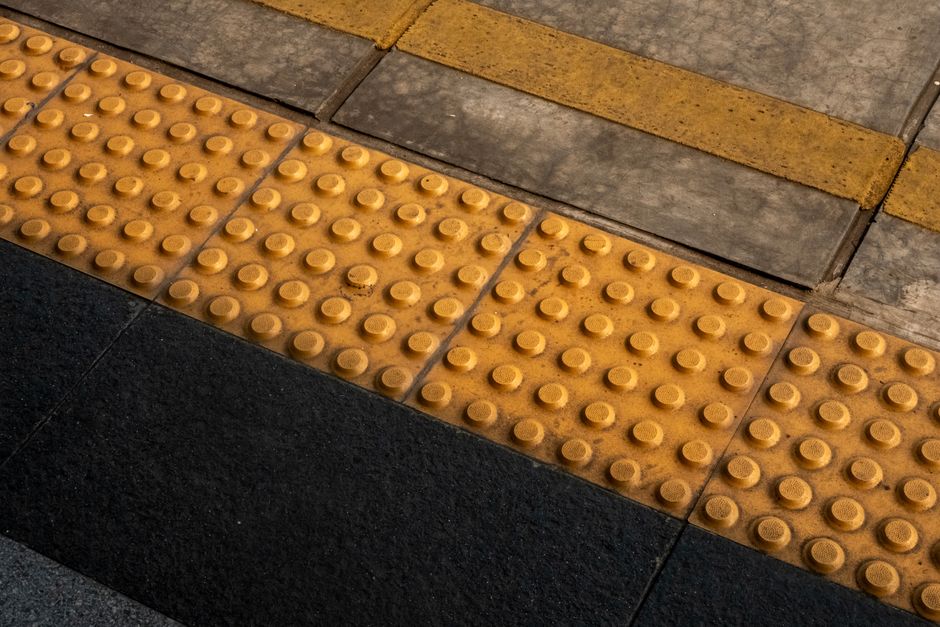
Design should be accessible to everyone, regardless of their abilities or background. Inclusive design is a philosophy that prioritizes accessibility and usability, ensuring that designs are usable by people with disabilities, diverse cultural backgrounds, and varying levels of technical literacy.
This means considering factors such as color contrast, font size, alternative text for images, and keyboard navigation when creating designs. It also means being mindful of cultural sensitivities and avoiding stereotypes. Inclusive design is not just about being ethical; it's also about creating better designs that are more user-friendly and engaging for everyone. By embracing inclusive design principles, we can create a more equitable and accessible world through visual communication.
Animated Logos: Branding in Motion

Static logos are so last season! Animated logos are becoming increasingly popular, adding a dynamic and engaging element to brand identities. From subtle micro-interactions to elaborate transformations, animated logos can capture attention, convey personality, and enhance brand recognition.
This trend allows designers to tell a story about the brand in a concise and visually compelling way. An animated logo can reveal hidden meanings, highlight key features, or simply add a touch of playfulness to the brand. It's a powerful tool for creating a memorable and impactful brand experience.
Sustainable Design: Eco-Conscious Creativity
In an increasingly environmentally conscious world, sustainable design is becoming more important than ever. This means considering the environmental impact of design decisions, from the materials used to the energy consumed during production and distribution.
Sustainable design principles include using recycled materials, minimizing waste, optimizing energy efficiency, and promoting ethical sourcing. It also involves creating designs that are durable and long-lasting, reducing the need for frequent replacements. By embracing sustainable design practices, we can create beautiful and effective designs that minimize our environmental footprint.
Experimental Typography: Breaking the Mold

Forget the rules! Experimental typography is all about pushing the boundaries of type design, exploring unconventional forms, and challenging traditional notions of legibility. This trend embraces the unexpected, the imperfect, and the downright quirky.
Think distorted letterforms, unconventional kerning, and unexpected combinations of typefaces. Experimental typography is not about sacrificing readability entirely, but rather about using typography as a form of artistic expression. It's a bold and playful trend that adds a unique personality to designs.
Data Visualization: Making Sense of Complexity
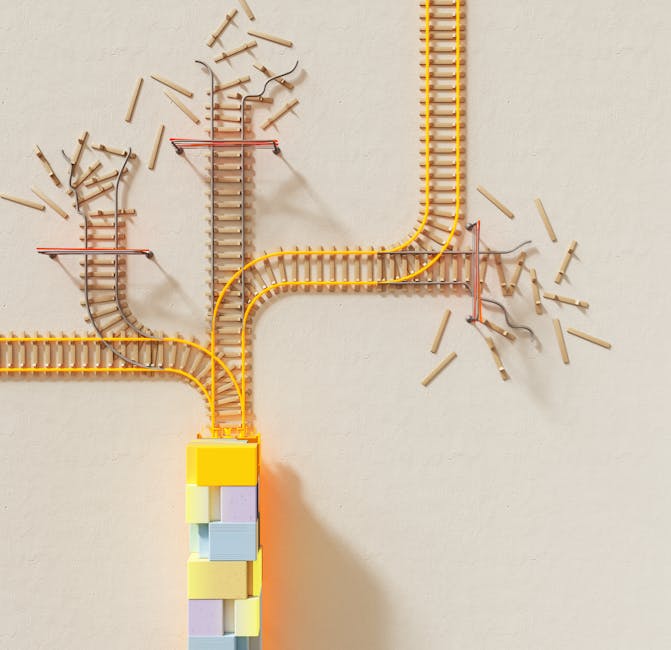
In the age of information, data visualization is more important than ever. This involves transforming raw data into compelling visual representations that are easy to understand and interpret. From charts and graphs to infographics and interactive dashboards, data visualization helps us make sense of complex information and identify patterns and trends.
Effective data visualization requires a strong understanding of visual communication principles, as well as a keen eye for detail. The goal is to present data in a clear, concise, and engaging way, avoiding unnecessary clutter and distractions. Data visualization can be used to inform decision-making, communicate insights, and tell stories with data.
Augmented Reality (AR) Integration: Blurring the Lines Between Digital and Physical

Augmented reality (AR) is blurring the lines between the digital and physical worlds, offering new possibilities for interactive and immersive experiences. In graphic design, AR can be used to overlay digital information onto real-world objects, creating engaging and informative overlays.
Imagine scanning a product label with your smartphone and seeing a 3D model of the product appear on your screen, along with information about its ingredients and nutritional value. Or pointing your phone at a piece of artwork and seeing it come to life with animation and sound. AR is a powerful tool for enhancing user experiences and creating memorable brand interactions.
Collage Art: A Blend of Textures and Ideas

Collage art is experiencing a revival, bringing with it a playful and eclectic aesthetic. This trend involves combining different textures, images, and materials to create unique and visually stimulating compositions. From digital collages to mixed-media assemblages, collage art offers endless possibilities for creative expression.
This technique allows designers to juxtapose seemingly disparate elements, creating unexpected connections and provoking new ways of seeing. Collage art can be used to convey complex ideas, express emotions, and create a sense of depth and texture. It's a versatile and engaging trend that adds a touch of whimsy to designs.
Serendipitous Color Palettes: Unconventional Harmonies

Prepare to venture beyond the predictable! We're diving into the realm of serendipitous color palettes – unexpected and unconventional combinations that somehow, magically, create visual harmony. Think of it as stumbling upon a hidden gem, a color pairing that defies expectations and sparks intrigue.
This involves experimenting with unexpected combinations of hues, tones, and saturations, breaking free from the constraints of traditional color theory. The key is to trust your intuition and explore unconventional pairings that evoke a specific mood or feeling. This trend celebrates the unexpected and encourages designers to embrace the beauty of imperfection.
Conclusion: A Canvas of Infinite Possibilities
As we journey into 2024 and 2025, the world of graphic design promises to be a vibrant and ever-evolving landscape. From the sensory-rich experiences to the bold experimentation with typography and AI, these trends offer a canvas of infinite possibilities for creative expression. Let us embrace these trends not as rigid rules, but as springboards for innovation, pushing the boundaries of visual storytelling and crafting experiences that resonate deeply with the human spirit. Happy creating, my friends! And may your designs be as unique and wonderful as you are.
Post a Comment