How Ancient Echoes Resonate in Modern Art: A Journey with Felipe Galindo
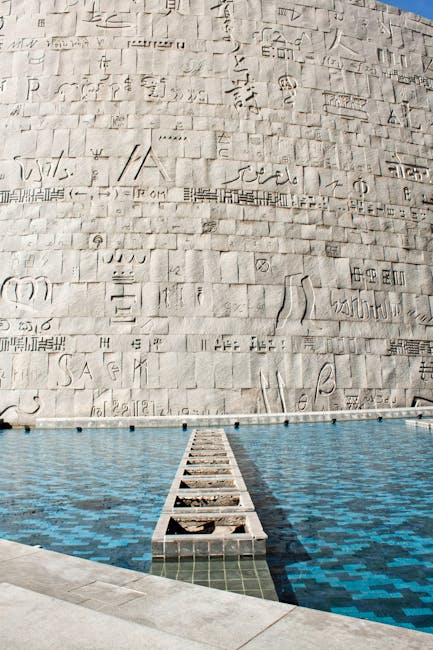
How Ancient Echoes Resonate in Modern Art: A Journey with Felipe Galindo
Oh, hello there, fellow art enthusiast! Come, let's embark on a fascinating journey – a stroll through the hallowed halls where ancient masterpieces whisper secrets to the modern canvas. Today, we're diving deep into the profound influence of ancient art on contemporary creation, guided by the imaginative spirit and vibrant work of the brilliant Felipe Galindo.
Have you ever stood before a towering Egyptian sculpture or gazed upon the delicate brushstrokes of a Ming Dynasty landscape and felt... something? A connection, perhaps? A resonance that transcends time? That's precisely what we're talking about. Ancient art isn't just dusty relics in a museum; it's a living, breathing source of inspiration that continues to shape the art we see and experience today.
The Enduring Legacy: Why Ancient Art Matters Now

Why does art from millennia ago still hold sway over the creative minds of today? The answer, my friend, is multifaceted. It's about more than just aesthetics; it's about the fundamental human experiences that underpin all art, regardless of era.
Consider these key aspects:
- Timeless Themes: Love, loss, power, spirituality, the cycle of life – these universal themes resonated in ancient art and continue to do so now. They provide a foundation for exploring the human condition across cultures and generations.
- Technical Mastery: The skill and ingenuity of ancient artists are simply breathtaking. From the intricate details of Greek pottery to the monumental scale of the pyramids, their technical achievements continue to inspire awe and push the boundaries of what's possible.
- Symbolic Language: Ancient art is rich in symbolism. These visual codes, often rooted in mythology and religion, offer layers of meaning and invite deeper interpretation. This emphasis on symbolism can be seen mirrored in modern artistic approaches, albeit often with different interpretations or nuances.
- Cultural Identity: Ancient art provides a powerful link to our shared human history. It helps us understand different cultures, beliefs, and ways of life, fostering empathy and a sense of connection to the past.
- Inspiration for Innovation: By studying and understanding ancient techniques and approaches, modern artists can find new ways to innovate and push the boundaries of their own art forms. It's a conversation across time, a continuous evolution of artistic expression.
Felipe Galindo: A Modern Alchemist of Ancient Influences
Now, let's turn our attention to Felipe Galindo, a true master of visual storytelling who seamlessly blends ancient influences with a distinctly modern sensibility. Galindo's work is a vibrant tapestry woven with threads from diverse cultures and historical periods. He's a modern alchemist, transmuting ancient inspirations into something entirely new and captivating.
What makes Galindo's approach so compelling? He doesn't simply copy or imitate ancient styles; he absorbs their essence, their spirit, and then reinterprets them through his own unique lens. He's a cultural bridge builder, connecting us to the past while simultaneously grounding us in the present.
Consider these elements often found in Galindo's work, reflecting ancient art principles:
- Storytelling through Imagery: Like ancient cave paintings or hieroglyphics, Galindo's art often tells stories through a series of carefully chosen images and symbols. He invites us to decode the narrative, to piece together the meaning behind his vibrant compositions.
- Emphasis on Pattern and Repetition: Think of the intricate patterns found in ancient mosaics or the repeated motifs in Mayan textiles. Galindo employs similar techniques to create visual rhythm and depth in his work, drawing the viewer's eye across the canvas.
- Stylized Figures: Ancient art often features stylized figures that emphasize certain features or convey specific emotions. Galindo adopts a similar approach, creating characters that are both expressive and symbolic.
- Use of Bold Colors: From the vivid hues of ancient frescoes to the rich pigments used in illuminated manuscripts, color has always been a powerful tool for artistic expression. Galindo embraces this tradition, using bold and vibrant colors to create visually striking and emotionally resonant works.
- Integration of Text and Image: In ancient Egyptian art, hieroglyphs were often integrated with images to convey meaning and tell stories. Galindo similarly incorporates text into his artwork, adding another layer of interpretation and inviting the viewer to engage with the piece on multiple levels.
Examples of Ancient Art Influences in Galindo's Work

Let's get more specific, shall we? Here are a few examples of how ancient art principles manifest in Galindo's creations:
1. Pre-Columbian Art: The bold lines, geometric patterns, and stylized figures found in Pre-Columbian art, particularly from Mesoamerica, resonate strongly in Galindo's work. He often draws inspiration from ancient codices and murals, incorporating their visual language into his own contemporary compositions.
2. Ancient Egyptian Art: The hieroglyphic-style text, the depiction of figures in profile, and the use of symbolic imagery are all echoes of ancient Egyptian art that can be found in some of Galindo's pieces. He captures the sense of grandeur and mystery that is so characteristic of ancient Egyptian art, while infusing it with his own unique perspective.
3. Asian Art (Ukiyo-e): The flat perspectives, bold outlines, and vibrant colors characteristic of the Japanese Ukiyo-e movement influence Galindo's illustration and storytelling, especially regarding capturing daily life and the blending of narrative and visual artistry.
By understanding these connections, we can appreciate the depth and richness of Galindo's work on a whole new level. He's not just creating beautiful images; he's engaging in a dialogue with the past, a conversation that spans centuries and cultures.
How to Spot Ancient Influences in Modern Art
Now that you have a better understanding of how ancient art influences modern art, how can you spot these influences yourself? Here are a few tips:
- Pay Attention to Recurring Themes: Look for universal themes such as love, loss, power, spirituality, and the cycle of life. These themes are often expressed through recurring symbols and motifs.
- Observe the Use of Symbolism: Ancient art is full of symbolism. Pay attention to the visual codes that artists use to convey meaning. Research the cultural context of the symbols to gain a deeper understanding of their significance.
- Analyze the Composition: How is the artwork organized? Does it follow any specific compositional principles, such as symmetry, balance, or the rule of thirds? Are there any patterns or repetitions that draw your eye across the canvas?
- Examine the Style: Does the artwork incorporate any stylistic elements that are reminiscent of ancient art, such as stylized figures, bold outlines, or flat perspectives?
- Consider the Color Palette: What colors are used in the artwork? Do they evoke any particular emotions or associations? Are there any specific color combinations that are characteristic of ancient art?
- Look for Integration of Text: Is text incorporated into the artwork? If so, how does it interact with the images? Does it add another layer of interpretation or provide additional context?
The Importance of Understanding Art History

Understanding art history is not just an academic exercise; it's a crucial step in becoming a more informed and appreciative art viewer. By learning about the historical and cultural context of art, we can gain a deeper understanding of its meaning and significance.
Art history provides us with a framework for understanding the evolution of artistic styles, techniques, and ideas. It helps us see how art has responded to social, political, and technological changes throughout history. And it allows us to connect with artists from different cultures and time periods, fostering empathy and a sense of shared humanity.
Furthermore, understanding art history can enhance our own creativity. By studying the work of past masters, we can gain inspiration and learn new techniques. We can also develop a more critical eye, allowing us to evaluate our own work and the work of others with greater discernment.
Embracing the Dialogue Between Past and Present

In conclusion, the influence of ancient art on modern art is undeniable. From the timeless themes and technical mastery of ancient civilizations to the vibrant symbolism and cultural significance of their artistic creations, ancient art continues to inspire and inform contemporary artists. Figures like Felipe Galindo brilliantly demonstrate how this dialogue between past and present can lead to truly innovative and meaningful art.
So, the next time you find yourself in a museum or gallery, take a moment to consider the connections between the art you are seeing and the art that came before. Let yourself be transported back in time, and listen to the whispers of the ancient masters. You might be surprised by what you discover.
And remember, art is not just about looking; it's about seeing. It's about connecting, feeling, and experiencing the world in a new and profound way. So, open your eyes, open your heart, and let the art of the past illuminate the art of the present.
Happy art gazing, my friends!
Post a Comment