How Artists Explore Identity | Modern Art & Ideas
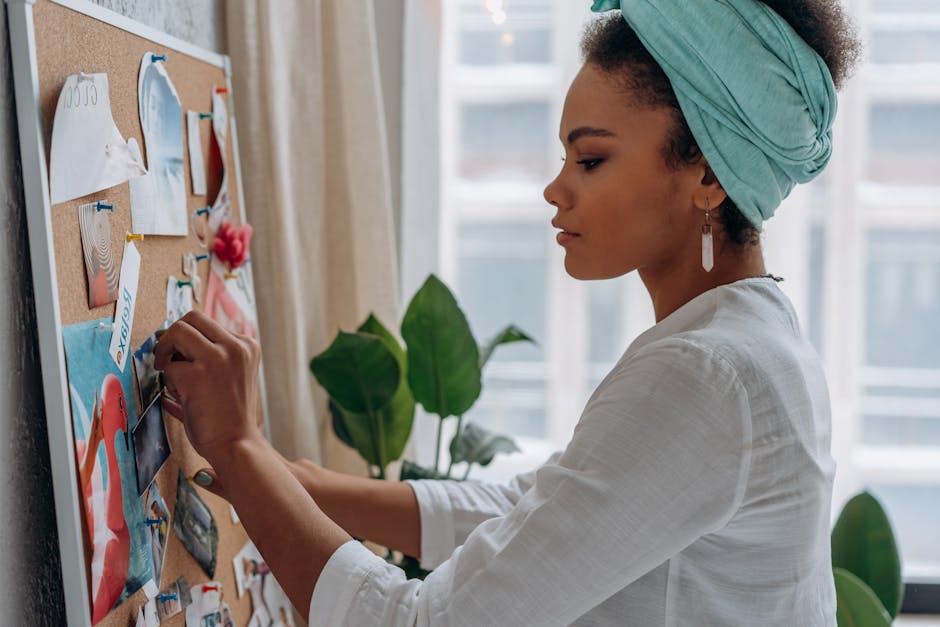
How Artists Explore Identity | Modern Art & Ideas
Hello fellow art enthusiasts and curious souls! Ever wonder how artists, those fascinating creatures who see the world through prisms of color and emotion, tackle the rather monumental question of "Who am I?" Well, buckle up, because we're about to embark on a vibrant journey into the artistic explorations of identity in modern art! It's a landscape as diverse and captivating as the human experience itself.
Identity, that elusive and multifaceted concept, has always been a rich source of inspiration for artists. It's the bedrock upon which we build our sense of self, influenced by our experiences, culture, heritage, and dreams. Artists, being sensitive souls, often grapple with these questions in intensely personal ways, and their art becomes a mirror reflecting their explorations, struggles, and triumphs.
The Self-Portrait: More Than Just a Pretty Face

Let's begin with a classic: the self-portrait. But forget those formal, stuffy portraits of yesteryear! Modern self-portraits are anything but. They delve deep, venturing beyond surface appearances to reveal the inner workings of the artist's mind. Think of Frida Kahlo, whose unflinching self-portraits captured not only her physical pain but also her emotional turmoil and fierce spirit. Her art was a raw and honest portrayal of her identity as a woman, an artist, and a survivor.
Modern artists use self-portraits to:
- Question Societal Norms: Challenging conventional beauty standards and expectations of gender roles.
- Explore Psychological States: Visualizing emotions like anxiety, depression, and self-doubt.
- Document Personal Transformations: Chronicling changes in appearance, health, and identity over time.
Consider Cindy Sherman's Untitled Film Stills. She doesn't present herself as Cindy Sherman, the artist, but as a series of archetypal female characters from film noir and B-movies. She uses costume, makeup, and pose to dissect the constructed nature of identity, questioning how we perceive women in media and how these portrayals shape our own self-perceptions. It's a brilliant commentary on the performance of identity!
Beyond the Individual: Cultural and Collective Identity

Identity isn't just about the individual; it's also deeply intertwined with our cultural heritage and the communities we belong to. Artists often use their work to explore these collective identities, celebrating their roots, challenging stereotypes, and advocating for social change.
Here are some ways artists investigate cultural identity:
- Reclaiming Heritage: Artists from marginalized communities often use their art to reclaim their cultural heritage, preserving traditions and challenging dominant narratives.
- Addressing Colonialism: Postcolonial artists frequently explore the lasting impact of colonialism on their identities and societies, questioning power structures and seeking decolonization.
- Celebrating Diversity: Art can be a powerful tool for celebrating the richness and diversity of cultures, fostering understanding and empathy between different groups.
For example, Yinka Shonibare CBE's sculptures, often adorned with vibrant African wax print fabrics (which, ironically, have Dutch origins!), explore themes of colonialism, globalization, and cultural hybridity. He cleverly plays with visual codes to question our assumptions about authenticity and cultural ownership. It's a visually stunning and intellectually stimulating way to examine the complexities of identity in a globalized world.
Another compelling example is the work of contemporary Indigenous artists. They utilize various mediums, from painting and sculpture to performance and digital art, to address issues of sovereignty, environmental protection, and the preservation of Indigenous languages and traditions. Their art serves as a powerful voice for their communities and a reminder of the ongoing struggle for recognition and self-determination.
Gender, Sexuality, and the Fluidity of Identity

Gender and sexuality are integral aspects of our identities, and artists have long used their work to explore these themes with nuance and courage. Modern art provides a platform for questioning traditional gender roles, celebrating diverse sexualities, and advocating for LGBTQ+ rights.
How do artists tackle gender and sexuality in their work?
- Challenging Gender Norms: Deconstructing societal expectations of masculinity and femininity through visual representation.
- Celebrating LGBTQ+ Identities: Creating positive and affirming representations of diverse sexual orientations and gender identities.
- Exploring Gender Fluidity: Questioning the binary nature of gender and embracing the spectrum of gender identities.
Consider the work of Catherine Opie, whose photographs often depict lesbian and transgender individuals with dignity and intimacy. Her portraits offer a glimpse into the lives of people who are often marginalized or invisible, challenging viewers to reconsider their preconceived notions about gender and sexuality. It's a beautiful and powerful act of visibility.
Zanele Muholi, a South African visual activist and photographer, creates powerful portraits of Black lesbian, gay, transgender, and intersex individuals. Their work is a vital form of activism, fighting against homophobia and transphobia and celebrating the beauty and resilience of their community. It's a testament to the power of art to create social change.
Materiality and the Language of Objects

But wait! Identity isn't just about portraits and figures. It can also be expressed through the materials and objects that artists choose to work with. The very act of selecting a specific medium – whether it's paint, clay, textiles, or found objects – can be a statement about the artist's identity, their connection to a particular culture, or their personal experiences.
Think about it: a sculptor who works primarily with reclaimed wood might be expressing their commitment to environmental sustainability. A textile artist who uses traditional weaving techniques might be honoring their ancestral heritage. An artist who creates installations from everyday objects might be commenting on consumerism and the disposable nature of modern life.
An artist who incorporates natural elements like earth, water, or fire into their work might be expressing a deep connection to the land or a spiritual belief. The possibilities are endless! The key is to look beyond the surface and consider the symbolic meaning of the materials themselves.
Technology and the Digital Self

In our increasingly digital age, technology plays a significant role in shaping our identities. Artists are exploring the impact of social media, virtual reality, and artificial intelligence on our sense of self, questioning how these technologies are altering the way we perceive ourselves and interact with the world.
Here's how digital art explores identity:
- Online Personas: Examining the curated and often idealized versions of ourselves that we present online.
- Virtual Communities: Exploring the sense of belonging and identity that can be found in online communities.
- Artificial Intelligence and Identity: Questioning the nature of consciousness and the potential for AI to develop its own sense of self.
For example, artists are creating avatars and virtual environments that allow us to explore different aspects of our identities in a safe and controlled space. They are using social media platforms to create participatory art projects that challenge viewers to reflect on their own online behavior and its impact on their self-perception.
The use of AI in art also raises profound questions about creativity, authorship, and the very definition of art itself. As AI becomes more sophisticated, it may even be able to create art that expresses its own unique perspective and identity (if it can be said to have one!).
The Joy of Discovery
Ultimately, the artistic exploration of identity is a journey of self-discovery. It's about questioning our assumptions, challenging our limitations, and embracing the complexities of the human experience. As viewers, we can learn so much from these artists, gaining new insights into ourselves and the world around us.
So, the next time you encounter a piece of art that resonates with you, take a moment to consider the artist's perspective. What are they trying to say about identity? What emotions are they trying to evoke? And most importantly, what does it make you think about your own sense of self?
Art is a conversation, a dialogue between the artist and the viewer. It's a chance to connect with others on a deeper level, to share our stories, and to celebrate the beauty and diversity of the human spirit. Embrace the journey, and let the art guide you to a deeper understanding of yourself and the world around you. Happy exploring!
Post a Comment