How To Be More Creative With Your Art: Unleash Your Inner Muse!

How To Be More Creative With Your Art: Unleash Your Inner Muse!
Hello, fellow creatives! Welcome! If you're reading this, you're probably on a quest – a quest to unlock even more of that glorious, messy, wonderful creativity that hums within you. I get it. I live there too! We're constantly searching for new ways to spark our imaginations, to break free from artistic ruts, and to infuse our work with that extra oomph that makes it truly sing. So, let's embark on this delightful journey together. Think of me as your friendly art sherpa, guiding you through the whimsical peaks and valleys of the creative landscape.
Embrace the Beginner's Mind
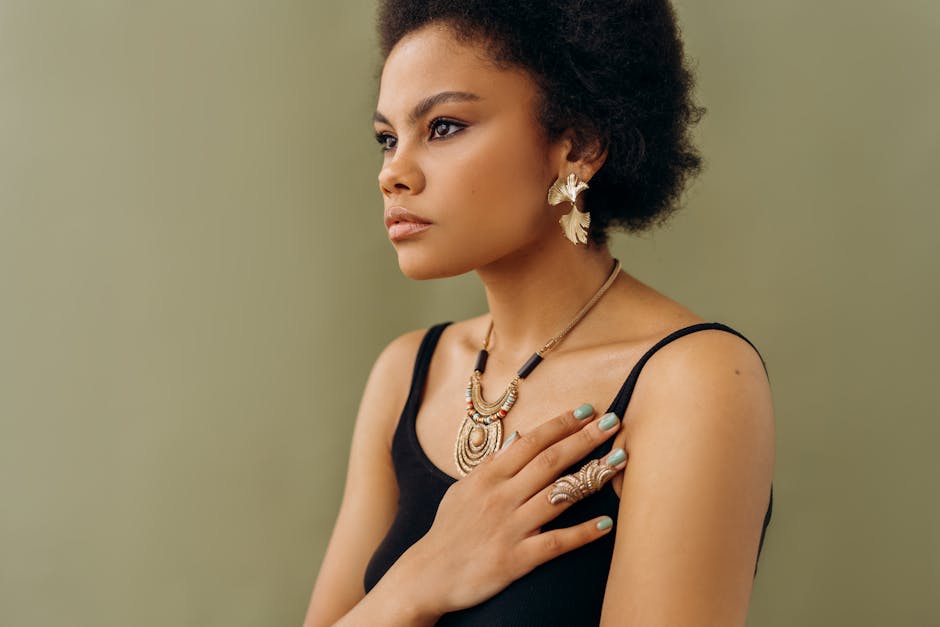
Ah, the "Beginner's Mind" – it's like rediscovering the world through the eyes of a child! Remember that untainted sense of wonder, where everything was new and exciting? As artists, we sometimes get bogged down in technique, rules, and "shoulds." We become afraid to experiment, to make mistakes, to look silly. Let's banish that fear!
The Beginner's Mind invites us to approach our art with curiosity and openness. It's about letting go of expectations and embracing the process. Here's how you can cultivate it:
- Try a New Medium: Been painting with acrylics for years? Pick up some watercolors! Sculpting with clay? Try digital art! Stepping outside your comfort zone is like giving your brain a playful jolt.
- Set Aside the "Rules": Forget what you think you know about composition, color theory, or perspective (for a little while, at least!). Just let your intuition guide you.
- Embrace Mistakes: Mistakes are not failures; they're opportunities! They're unexpected detours that can lead to surprising and beautiful discoveries. Think of them as happy accidents waiting to happen.
- Learn Something New Every Day: Read about art history, watch tutorials, visit museums, and immerse yourself in the world of art. Exposure to new ideas and perspectives is fertile ground for creativity.
The Power of Prompts & Constraints
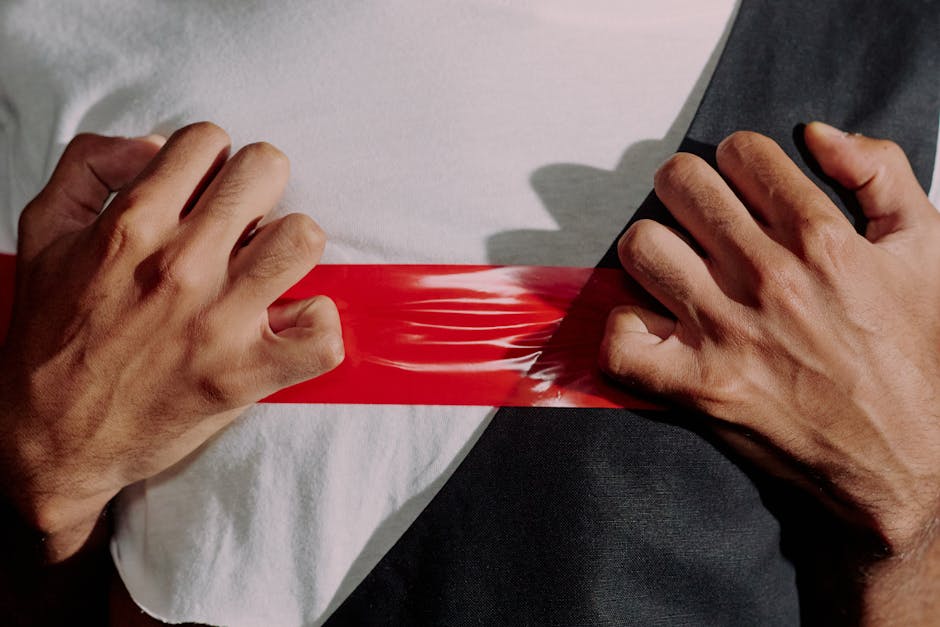
Sometimes, creativity needs a little nudge. A well-placed prompt or a seemingly restrictive constraint can be surprisingly liberating. Think of it like this: a garden needs boundaries to thrive. Constraints provide structure, focus, and a challenge to overcome.
Here are a few prompt ideas to get you started:
- Visual Prompts: Find an interesting photo, object, or scene and use it as the starting point for a painting, drawing, or sculpture. Don't just copy it; interpret it, transform it, make it your own!
- Word Prompts: Choose a word (or a phrase) and let it guide your creative process. Let the word evoke emotions, memories, and associations that you can translate into your art. Examples: "Ephemeral," "Resilience," "Whisper," "Metamorphosis."
- Sensory Prompts: Engage your senses! What does the rain smell like? What does your favorite song feel like? Translate these sensory experiences into visual art.
- Challenge Prompts: "Create a self-portrait using only circles and squares." "Design a poster for a fictional film." "Make a collage using only found objects." These kinds of constraints force you to think outside the box.
I personally adore using the prompt "What if...?" It can lead to the most wonderfully bizarre and unexpected creations. "What if cats could fly?" "What if trees grew upside down?" Give it a try!
Dive into Daydreaming (Yes, Really!)
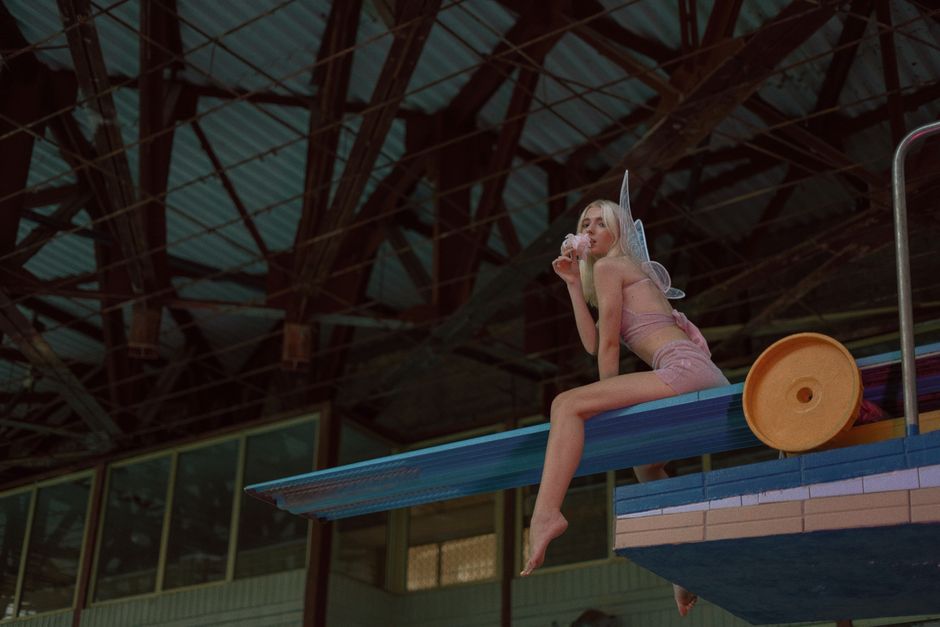
We often undervalue the power of daydreaming. We see it as unproductive, a waste of time. But for artists, daydreaming is essential! It's where our minds wander, where we make unexpected connections, and where new ideas are born.
Think of daydreaming as your brain's own personal playground. Let your thoughts roam free, without judgment or censorship. Don't try to control the process; just observe where your mind takes you.
Here are a few tips for cultivating a more active daydreaming practice:
- Set Aside Dedicated Time: Schedule 15-20 minutes each day for unstructured daydreaming. Find a quiet space where you won't be disturbed.
- Engage Your Senses: Listen to music, look at art, smell a fragrant flower, or sip a warm cup of tea. Sensory input can stimulate your imagination and trigger new ideas.
- Carry a Notebook: Keep a notebook and pen handy to jot down any interesting thoughts, images, or ideas that emerge during your daydreams. These can become valuable seeds for future artwork.
- Don't Edit Yourself: Let your thoughts flow freely, without judgment or censorship. The more you allow yourself to explore, the more creative you'll become.
Steal Like An Artist (But Do It Right!)
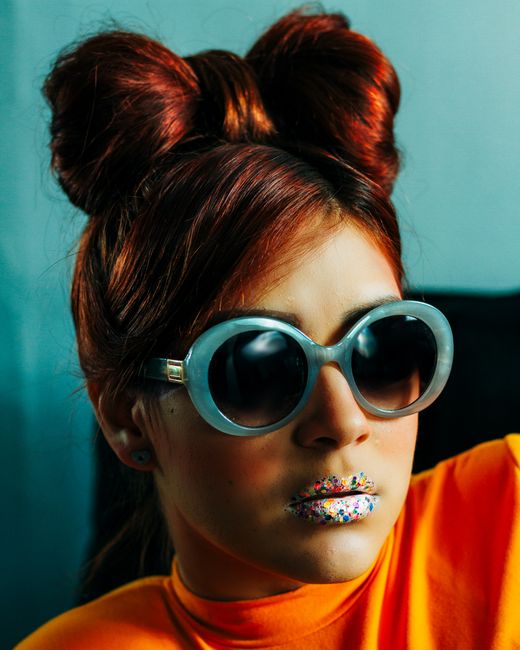
Austin Kleon's book, "Steal Like An Artist," isn't about plagiarism, but about embracing the influence of others and transforming it into something uniquely your own. Every artist is influenced by the work of others, whether consciously or unconsciously. The key is to learn from your influences without simply copying them.
Here's how to "steal like an artist" the ethical and creative way:
- Collect Inspiration: Create a "swipe file" of images, quotes, and ideas that inspire you. This could be a physical scrapbook or a digital folder.
- Analyze Your Influences: Ask yourself: What is it about this artwork that resonates with me? What techniques did the artist use? How can I incorporate these elements into my own work?
- Transform and Reimagine: Don't just copy; transform! Take the ideas you've gathered and reimagine them in your own style. Put your own spin on them.
- Give Credit Where It's Due: Acknowledge your influences. It's a sign of respect and shows that you're aware of the art historical context of your work.
Remember, imitation is the sincerest form of flattery, but transformation is the key to originality!
Embrace Imperfection & The "Ugly First Draft"

Perfectionism is the enemy of creativity. It paralyzes us with fear, preventing us from taking risks and experimenting. We get so caught up in trying to create the "perfect" piece that we never actually create anything at all.
Embrace imperfection! Allow yourself to make mistakes. Create "ugly first drafts." The first version of anything is rarely perfect, and that's okay! It's a starting point. It's a foundation upon which you can build something beautiful and meaningful.
Here's how to overcome perfectionism:
- Set Realistic Goals: Don't try to create a masterpiece every time you sit down to create. Focus on the process, not the outcome.
- Embrace the "Ugly First Draft": Allow yourself to create something messy, imperfect, and experimental. This is your playground, your safe space to explore.
- Practice Self-Compassion: Be kind to yourself. Don't beat yourself up over mistakes. Learn from them and move on.
- Focus on Progress, Not Perfection: Celebrate your small victories. Acknowledge how far you've come.
Connect With Other Creatives

Art can be a solitary pursuit, but it doesn't have to be! Connecting with other artists can be incredibly inspiring and motivating. Sharing your work, receiving feedback, and collaborating with others can open up new creative avenues and help you grow as an artist.
Here are a few ways to connect with other creatives:
- Join an Art Group: Look for local art groups, workshops, or classes. These are great places to meet other artists and learn new techniques.
- Attend Art Events: Go to art openings, gallery talks, and museum exhibitions. This is a great way to see new work and network with other art enthusiasts.
- Online Communities: Join online art communities, forums, and social media groups. Share your work, ask questions, and connect with artists from around the world.
- Collaborate With Others: Work with other artists on joint projects. This can be a fun and challenging way to push your creative boundaries.
Remember, you're not alone on this creative journey. There's a whole community of artists out there waiting to connect with you!
Take Breaks and Recharge

Burnout is a real threat to creativity. When we're constantly pushing ourselves to create, we can become exhausted, uninspired, and resentful of our art. It's important to take breaks, recharge, and nurture our well-being.
Here are a few ways to avoid burnout:
- Schedule Regular Breaks: Take short breaks throughout the day to stretch, walk around, or do something you enjoy.
- Get Enough Sleep: Sleep is essential for creativity. Aim for 7-8 hours of sleep per night.
- Eat Healthy: Nourish your body with healthy foods. A balanced diet will give you the energy you need to create.
- Practice Self-Care: Do things that make you happy and relaxed. Read a book, take a bath, listen to music, or spend time in nature.
- Step Away From Your Art: Sometimes, the best thing you can do is to step away from your art completely for a few days or weeks. This will give you time to recharge and come back with fresh eyes.
Your creative well is like a garden – you need to tend to it, water it, and give it time to flourish. Don't neglect your own needs in the pursuit of art. You are your greatest masterpiece!
Experiment with Visual Storytelling
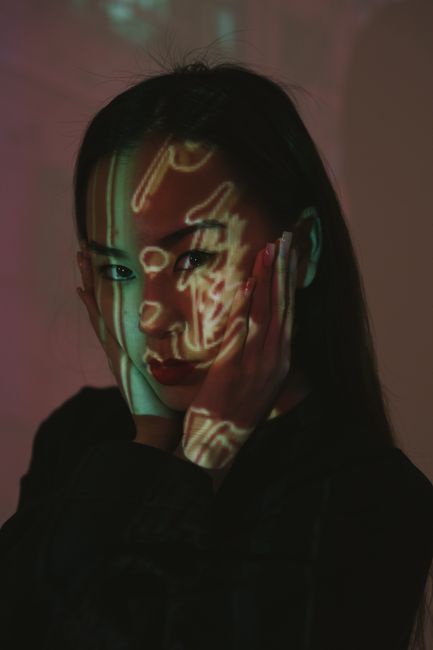
Art, at its core, is about communication. It's about telling stories, expressing emotions, and sharing your unique perspective with the world. Visual storytelling is the art of conveying a narrative through images, colors, and compositions. It's about sparking the imagination and inviting viewers to participate in the story you're creating.
Here are a few ways to incorporate visual storytelling into your art:
- Consider Your Subject Matter: Choose subjects that have emotional resonance or tell a compelling story. Portraits can tell stories of identity, resilience, or vulnerability. Landscapes can evoke feelings of awe, tranquility, or adventure.
- Use Color Symbolism: Colors have powerful associations and can be used to convey specific emotions or ideas. Red can represent passion, anger, or danger. Blue can represent peace, serenity, or melancholy.
- Pay Attention to Composition: The way you arrange the elements in your artwork can significantly impact the story you're telling. Use leading lines, focal points, and negative space to guide the viewer's eye and create a sense of depth.
- Add Symbolic Elements: Incorporate symbolic objects or motifs that add layers of meaning to your artwork. A broken mirror might represent shattered dreams, while a blooming flower might symbolize hope and renewal.
Remember, every piece of art has the potential to tell a story. Embrace the power of visual storytelling and let your imagination run wild!
So there you have it, my friends! A whole bouquet of ideas to help you bloom even more creatively. The most important thing is to have fun, experiment, and never stop exploring the boundless possibilities of your imagination. Happy creating!
Post a Comment