How to Create a Beautiful, Creative Illustration | A Journey of Imagination and Design
How to Create a Beautiful, Creative Illustration | A Journey of Imagination and Design
Hello fellow creators! Let's embark on a whimsical journey into the heart of illustration, where imagination dances with design and transforms the mundane into the magical. I'm thrilled to guide you through crafting beautiful and creative illustrations, from the initial spark of an idea to the final flourish. Buckle up, grab your favorite sketchbook, and let's dive into the enchanting world of visual storytelling!
Finding Your Artistic Voice: The Soul of Illustration
Before we even think about pencils and pixels, it's crucial to connect with your inner artistic self. Illustration, at its core, is a form of personal expression. It's about translating your thoughts, emotions, and perceptions into a visual language that resonates with others. This means discovering your unique artistic voice, the signature style that makes your work undeniably you.
Finding that voice isn't a sudden revelation; it's a journey of exploration and experimentation. Don't be afraid to try new things, to break the rules, and to embrace the imperfections. Here's how you can start:
a. Immerse Yourself in Inspiration: Surround yourself with art that moves you. Explore different styles, from classic masterpieces to contemporary digital art. Visit museums, browse online galleries, and collect images that spark your imagination. Pay attention to what resonates with you – is it the color palette, the composition, the subject matter, or the overall mood?
b. Experiment Freely: Don't limit yourself to one medium or style. Try watercolor, ink, digital painting, collage, or even mixed media. Play with different line weights, textures, and color combinations. Let your intuition guide you and don't be afraid to make mistakes. Mistakes are often the seeds of innovation!
c. Practice Regularly: The more you create, the more you'll refine your skills and discover your unique style. Dedicate time each day or week to practice drawing, sketching, and painting. Even short bursts of creative activity can make a big difference.
d. Embrace Your Quirks: What makes you, you? Don't try to imitate other artists perfectly. Embrace your own quirks and imperfections. Your unique perspective is what will make your illustrations stand out.
e. Seek Feedback: Share your work with other artists and ask for constructive criticism. Be open to suggestions, but ultimately trust your own artistic instincts. Find a community of like-minded individuals who can support and encourage you on your creative journey.
From Spark to Sketch: Ideation and Conceptualization

Once you've begun to tap into your artistic voice, it's time to nurture those initial sparks of inspiration. This is where the magic truly begins! Developing a strong concept is the foundation of a compelling illustration.
1. Brainstorming and Mind Mapping: Start by jotting down all the ideas that come to mind, no matter how silly or outlandish they may seem. Use mind maps to explore different themes, concepts, and visual metaphors. Let your thoughts flow freely and don't censor yourself.
2. Visual Research: Gather visual references to support your ideas. This could include photographs, illustrations, paintings, or even textures and patterns. Create a mood board to capture the overall feeling and aesthetic you want to achieve. Pinterest is your friend!
3. Storytelling and Narrative: Think about the story you want to tell with your illustration. What message do you want to convey? Who are the characters? What is the setting? How can you use visual elements to create a sense of drama, mystery, or emotion?
4. Character Development: If your illustration includes characters, spend time developing their personalities, backstories, and motivations. Sketch different poses and expressions to bring them to life. Consider their costumes, hairstyles, and accessories – these details can add depth and personality to your characters.
5. Thumbnails and Sketches: Create a series of small, quick sketches to explore different compositions and perspectives. Experiment with different layouts, focal points, and visual elements. These thumbnails will help you refine your ideas and develop a strong composition. Don't be precious! Let them be messy and exploratory.
Composition and Design Principles: Guiding the Eye

A well-composed illustration is more than just a pretty picture; it's a carefully crafted visual narrative that guides the viewer's eye and creates a sense of harmony and balance. Understanding basic design principles is essential for creating compelling and effective illustrations.
A. Rule of Thirds: Divide your canvas into nine equal parts using two horizontal and two vertical lines. Place key elements of your illustration at the intersections of these lines or along the lines themselves. This creates a more dynamic and engaging composition.
B. Leading Lines: Use lines, shapes, or paths to guide the viewer's eye through the illustration and towards the focal point. Leading lines can create a sense of depth, movement, and direction.
C. Balance and Harmony: Create a sense of visual balance by distributing elements evenly throughout the illustration. This doesn't necessarily mean symmetrical balance; you can also achieve balance through asymmetry, using different sizes, shapes, and colors to create visual interest.
D. Contrast and Emphasis: Use contrast to create emphasis and draw attention to specific elements of your illustration. This could be achieved through differences in color, value, size, or texture.
E. Color Theory: Understanding color theory is crucial for creating visually appealing and harmonious illustrations. Experiment with different color palettes, such as complementary colors, analogous colors, or triadic colors. Consider the psychological effects of different colors and how they can influence the mood and message of your illustration.
Bringing Your Illustration to Life: Techniques and Tools
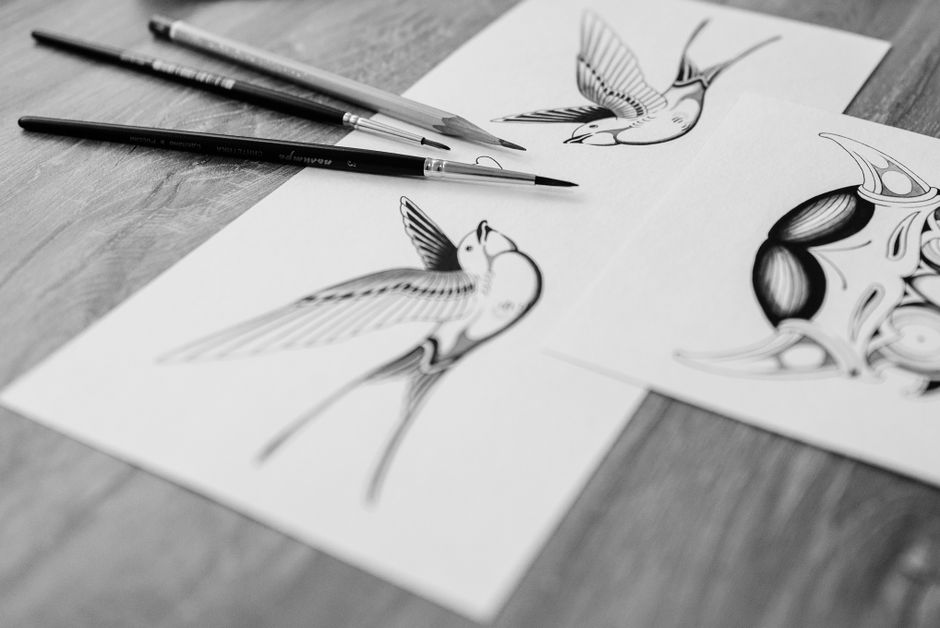
Now for the fun part: executing your vision! Whether you prefer traditional media or digital tools, the techniques you use will shape the final look and feel of your illustration.
Traditional Techniques:
1. Pencil and Graphite: A classic and versatile medium for sketching, drawing, and shading. Experiment with different grades of pencils to create a range of values and textures.
2. Ink: Ink is perfect for creating bold lines, intricate details, and dramatic contrasts. Use dip pens, brush pens, or technical pens to achieve different effects.
3. Watercolor: Watercolor is a delicate and expressive medium for creating ethereal washes, vibrant gradients, and luminous effects. Experiment with different techniques, such as wet-on-wet, dry brushing, and layering.
4. Gouache: Gouache is an opaque watercolor that allows for layering and blending. It's ideal for creating bold, vibrant illustrations with a matte finish.
5. Acrylics: Acrylic paints are versatile and durable, allowing for a wide range of techniques, from impasto to glazing. They're perfect for creating bold, textured illustrations.
Digital Techniques:
1. Adobe Photoshop: The industry-standard software for digital painting, image editing, and illustration. Photoshop offers a vast array of brushes, tools, and filters to create stunning digital artwork.
2. Adobe Illustrator: A vector-based illustration program that's perfect for creating clean, scalable graphics, logos, and illustrations.
3. Procreate: A powerful and intuitive digital painting app for iPad. Procreate offers a wide range of brushes, tools, and features for creating professional-quality illustrations on the go.
4. Clip Studio Paint: A versatile digital painting program that's popular among comic book artists and illustrators. Clip Studio Paint offers a wide range of tools for creating line art, coloring, and special effects.
Tips for Both Traditional and Digital:
a. Master the Fundamentals: No matter what medium you use, it's essential to have a solid understanding of anatomy, perspective, and color theory. These fundamentals will provide a strong foundation for your illustrations.
b. Experiment with Brushes and Textures: Explore different brushes and textures to add depth and visual interest to your illustrations. Don't be afraid to try new things and break the rules.
c. Layering Techniques: Use layering techniques to build up your illustration gradually, adding details and refinements as you go. This allows you to control the values, colors, and textures of your illustration.
d. Value and Contrast: Pay attention to the values and contrasts in your illustration. A strong range of values will create depth and dimension.
e. Practice, Practice, Practice: The more you practice, the better you'll become at creating beautiful and creative illustrations. Don't be discouraged by mistakes – learn from them and keep pushing yourself to improve.
Adding the Final Touches: Polishing Your Masterpiece

The final stage is all about refining your illustration and adding those crucial finishing touches that will elevate it to the next level.
1. Review and Refine: Take a step back and review your illustration with a fresh eye. Are there any areas that need improvement? Are the values, colors, and composition working effectively?
2. Add Details: Add subtle details to enhance the realism and visual interest of your illustration. This could include textures, highlights, shadows, or small details that bring your characters and settings to life.
3. Color Correction and Grading: Adjust the colors and values of your illustration to create the desired mood and atmosphere. Experiment with different color grading techniques to enhance the overall visual appeal.
4. Sharpening and Noise Reduction: Sharpen your illustration to enhance the details and create a crisp, clean finish. Reduce noise to eliminate unwanted graininess or artifacts.
5. Presentation: Consider how you will present your illustration. This could involve creating a mockup, framing it, or sharing it online. Make sure your presentation enhances the visual appeal of your artwork.
Celebrating Your Creativity: Sharing Your Art with the World

Congratulations! You've created a beautiful and creative illustration! Now it's time to share your artwork with the world and connect with other artists.
A. Online Portfolio: Create an online portfolio to showcase your best work. This could be a website, a Behance profile, or a Dribbble account.
B. Social Media: Share your illustrations on social media platforms like Instagram, Twitter, and Facebook. Use relevant hashtags to reach a wider audience.
C. Art Communities: Join online art communities and forums to connect with other artists, share your work, and receive feedback.
D. Print and Sell: Consider printing your illustrations and selling them as prints, cards, or other merchandise.
E. Collaborate: Collaborate with other artists on projects to expand your skills and reach a new audience.
Creating beautiful and creative illustrations is a journey of exploration, experimentation, and self-discovery. Embrace your unique artistic voice, master the fundamentals, and never stop learning. The world needs your imagination! Now go forth and create something wonderful! And remember, the most important ingredient in any illustration is passion – so pour your heart into your work and let your creativity shine!
Post a Comment