How to Find Your Art Style FAST in 3 Easy Steps (Yeah, Really!)

How to Find Your Art Style FAST in 3 Easy Steps (Yeah, Really!)
Hey there, fellow art explorer! Ever feel like you're wandering through a gallery of amazing art, wishing you could just… carve out your own little corner, your own unique space? Finding your art style can feel like a quest, a treasure hunt, a… well, an artistic adventure! And sometimes, it feels like it's taking forever, right? But fear not! I'm here to tell you it doesn't have to be a years-long odyssey. We can speed things up. In fact, I believe we can find your signature style, or at least get darn close, in just 3 steps. Sound too good to be true? Let's dive in!
Step 1: The Inspiration Avalanche (But with Intention!)

Forget the starving artist stereotype for a moment. Inspiration is everywhere. But here's the secret sauce: it's not about passively absorbing it, it's about actively curating it. Think of yourself as an art curator, but instead of a gallery, you're building your own personal mood board. And forget the physical corkboard – we're going digital, baby!
A. Build Your Visual Library: Create a Pinterest board (or several!), a dedicated Instagram collection, or even a good old-fashioned folder on your computer. The key? Fill it with art, design, photography, illustrations – anything that makes your heart sing. Don't overthink it! If it catches your eye, save it. We're talking about textures that make you want to reach out and touch them, colors that make your soul do a happy dance, compositions that just… work.
B. Go Beyond the Obvious: Art isn't just about paintings and drawings. Think about the color palette in your favorite movie, the typography on a vintage poster, the texture of moss on a tree. Inspiration can be found in architecture, fashion, nature, even the way light hits a building at sunset. Broaden your horizons, my friend! Don't limit yourself to just the "fine art" section. The world is your canvas!
C. Analyze, Analyze, Analyze: This is where the intention comes in. Don't just blindly save images. Take a moment to ask yourself why you're drawn to each piece. What specifically appeals to you? Is it the bold brushstrokes? The whimsical subject matter? The muted color palette? Jot down notes! This will help you identify the common threads running through your inspirations, the elements that truly resonate with your artistic soul. Are you consistently drawn to:
- Specific Colors: Are you a devotee of deep blues and earthy greens, or a vibrant lover of neon pinks and electric yellows?
- Recurring Themes: Do you gravitate towards fantasy landscapes, portraits of quirky characters, or abstract explorations of emotion?
- Particular Techniques: Are you fascinated by the detailed precision of pointillism, the loose expressiveness of watercolor, or the bold graphic quality of screen printing?
D. The "Why" Behind the "What": Don't just look at what appeals to you, but also why it does. This digs a little deeper. Do you connect with the artist's message? Does the piece evoke a certain feeling or memory? Understanding the emotional connection you have with certain styles will guide you toward creating art that is truly authentic to you.
The goal of this step is to immerse yourself in a world of visual possibilities, to saturate your senses with inspiration, and to start identifying the common threads that weave through your artistic preferences. Think of it as gathering the ingredients for your own unique artistic recipe!
Step 2: The "Frankenstein" Experiment (But in a Good Way!)

Okay, maybe "Frankenstein" is a little dramatic, but the idea is to experiment! Now that you've gathered your inspiration, it's time to put it to the test. The second step is about trying on different artistic "hats," combining techniques, and generally playing around until you find something that feels… right. This is where the magic happens!
A. Pick a Technique (or Three!): Remember those notes you took in Step 1? Pull out the techniques and styles that consistently popped up. Now, choose one (or two or three!) to experiment with. Maybe you loved the texture of oil pastels, the graphic quality of digital illustration, or the fluidity of ink washes. Don't feel like you need to stick to one medium! The beauty of this step is in the exploration.
B. Set a Time Limit: Here's a productivity hack to prevent overwhelm. Give yourself a set amount of time – say, 30 minutes to an hour – to work on each experiment. This helps you stay focused and avoid getting bogged down in perfectionism. It's about exploration, not flawless execution! Set a timer, put on some music, and just let loose!
C. Mash It Up! This is where things get really interesting. Don't be afraid to combine different techniques and styles. Maybe you love the vibrant colors of Pop Art but the intricate details of botanical illustration. Try combining them! Use bright, bold colors to paint detailed flowers. Or maybe you're drawn to the abstract shapes of Cubism but also enjoy portraiture. Try deconstructing a portrait into geometric shapes. There are no rules here, only possibilities!
D. Embrace the Ugly: Not everything you create will be a masterpiece. In fact, most of it probably won't be! And that's okay! The point of this step is to learn and explore, not to create perfect artwork. Embrace the "ugly," the "failed," the "weird." These are often the most valuable learning experiences. They help you understand what works, what doesn't, and what truly resonates with you.
E. Document Your Journey: Keep a sketchbook or a digital journal to document your experiments. Write down what you tried, what you liked, what you didn't like, and what you learned. This will help you track your progress and identify patterns in your artistic development. Take photos of your experiments, even the ones you don't like. You might be surprised at what you discover when you look back on them later.
F. Prompts to Spark Creativity: If you're feeling stuck, try using art prompts to get your creative juices flowing. Here are a few ideas:
- Draw your favorite object in three different styles.
- Create a landscape using only three colors.
- Illustrate a quote that resonates with you.
- Design a character inspired by your favorite animal.
- Create an abstract piece that represents a feeling.
The goal of this step is to experiment fearlessly, to push your boundaries, and to discover the unique combination of techniques and styles that make your art truly yours. Think of it as a playful dance between inspiration and experimentation, where you're the choreographer!
Step 3: The Style Seed (Nurturing Your Artistic Identity!)
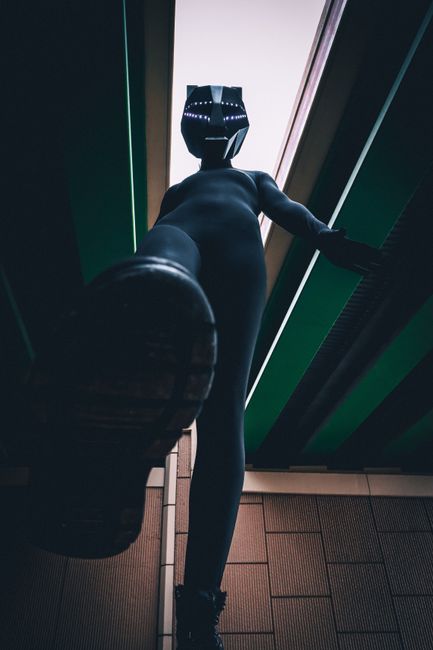
Congratulations! You've gathered your inspiration and experimented with different styles. Now, it's time to solidify your findings and start nurturing your artistic identity. This is where you start to refine your style and develop a consistent body of work.
A. Identify Your Core Elements: Look back at your experiments and your inspiration board. What are the elements that consistently appear? What techniques did you enjoy the most? What themes are you most drawn to? These are your core elements, the building blocks of your style. Think of them as the DNA of your art.
B. Refine, Refine, Refine: Now that you've identified your core elements, it's time to refine them. This means practicing, experimenting, and honing your skills in those specific areas. If you love the texture of oil pastels, practice different techniques for applying them. If you're drawn to portraiture, study anatomy and facial expressions. The more you practice, the more confident and skilled you'll become in your chosen style.
C. Create a Series: One of the best ways to develop a consistent style is to create a series of artwork. This means focusing on a specific theme, subject, or technique and creating multiple pieces that explore it. This allows you to delve deeper into your style and develop a cohesive body of work. It also helps you identify your strengths and weaknesses and refine your skills over time.
D. Seek Feedback (But Be Selective!): Sharing your work and getting feedback can be invaluable, but it's important to be selective about who you ask. Choose artists or mentors whose work you admire and whose opinions you trust. Be open to constructive criticism, but also remember that your art is ultimately a reflection of you. Don't let others dictate your style.
E. Embrace Evolution: Your art style isn't set in stone. It's a living, breathing thing that will continue to evolve over time. Don't be afraid to experiment with new techniques, explore new themes, and push your boundaries. The most important thing is to stay curious, stay creative, and stay true to yourself.
F. The Long Game: Style development isn't an overnight process. Be patient with yourself. Some days you'll feel like you're on top of the world; other days you'll feel like you're back at square one. Both are perfectly normal. Keep creating, keep learning, and keep growing. In the end, your unique style will emerge organically from the heart of your creative journey. You will find that you can't replicate exactly any other artist's style because you bring a unique perspective, a unique set of life experiences, and a unique way of seeing the world.
The goal of this step is to solidify your findings, nurture your artistic identity, and develop a consistent body of work that reflects your unique style. Think of it as planting a seed and tending to it, watching it grow and blossom into something beautiful and unique.
And there you have it! Three steps to help you find your art style faster than you thought possible. Remember, this is a journey, not a destination. Enjoy the process, embrace the challenges, and never stop creating. Your unique style is waiting to be discovered!
Post a Comment