NEW Graphic Design Trends of 2025 (+ Design Inspiration)
NEW Graphic Design Trends of 2025 (+ Design Inspiration)
Hello, fellow creatives! Let's embark on a whimsical journey into the ever-evolving world of graphic design and peek into the kaleidoscope that awaits us in 2025. I'm positively buzzing with excitement to share what I've been seeing, sensing, and dreaming about when it comes to the visual tapestry of tomorrow. Prepare to be inspired!
We're not just talking about "pretty pictures" here. Graphic design is the silent storyteller, the visual architect of ideas, and the emotional bridge between brands and their audiences. And 2025? It's shaping up to be a year of bold experimentation, mindful connection, and a harmonious blend of technology and artistry.
So, grab your metaphorical sketchbooks, sharpen your digital pencils, and let's dive into the trends that are set to redefine the visual landscape!
1. The Reign of Maximalism (with a Twist!)
Remember when minimalism was the undisputed king? Well, maximalism is staging a glorious comeback! But this isn't your grandma's cluttered attic (unless your grandma is incredibly stylish, of course!). This is a curated maximalism, a celebration of abundance but with intention.
Think vibrant color palettes colliding, intricate patterns dancing together, and bold typography vying for attention. The key? A sense of balance and storytelling. It's about creating a visual feast that doesn't overwhelm, but rather captivates and invites exploration.
Inspiration: Imagine a website design for a bohemian clothing brand. Layers of textured backgrounds, hand-drawn illustrations, and whimsical typography create a rich, immersive experience that reflects the brand's unique personality. Or envision a poster for a music festival, bursting with psychedelic colors, swirling patterns, and playful typography, capturing the energy and excitement of the event.
Key Elements to Watch:
- Hyper-detailed Illustrations: Intricate drawings that draw the eye and reward closer inspection.
- Bold Color Combinations: Unafraid pairings that create a sense of energy and vibrancy.
- Layered Textures: Using multiple textures to add depth and visual interest.
- Eclectic Typography: Mixing and matching different fonts to create a unique visual hierarchy.
2. The Rise of AI-Assisted Design (Embrace the Robot!)

Alright, let's address the elephant in the (digital) room: Artificial Intelligence. AI is no longer a futuristic fantasy; it's a present-day reality, and it's rapidly transforming the design landscape.
Now, before you imagine robots stealing all our jobs, think of AI as a powerful creative partner, a tool to augment our abilities and free us from repetitive tasks. AI can help us generate design variations, explore new color palettes, and even create personalized designs tailored to individual users.
Inspiration: Imagine a social media campaign where AI generates unique ad variations based on user demographics and preferences. Or a website design where AI dynamically adjusts the layout and content based on user behavior. The possibilities are truly mind-boggling!
Key Aspects:
- AI-Powered Image Generation: Tools like DALL-E 2 and Midjourney are becoming increasingly sophisticated, allowing designers to create stunning visuals from simple text prompts.
- Personalized Design Experiences: AI can analyze user data to create tailored design experiences that resonate with individual users.
- Automated Design Tasks: AI can automate repetitive tasks like resizing images, generating mockups, and creating design variations, freeing up designers to focus on more creative work.
- Ethical Considerations: It's crucial to address the ethical implications of AI in design, ensuring that AI is used responsibly and does not perpetuate biases.
3. The Allure of Imperfection (Embrace the Flaws!)
In a world saturated with perfectly polished images, there's a growing appreciation for the beauty of imperfection. Think hand-drawn illustrations, textured backgrounds, and fonts with quirky imperfections.
This trend is a reaction against the sterile, corporate aesthetic that has dominated design for so long. It's a celebration of authenticity, humanity, and the unique character that comes from embracing flaws.
Inspiration: Picture a logo design for a local coffee shop, featuring a hand-drawn illustration of a coffee bean with subtle imperfections. Or a website design for a handcrafted jewelry brand, showcasing product photos with natural lighting and minimal editing.
Key Traits:
- Hand-Drawn Illustrations: Creating a personal and intimate feel.
- Textured Backgrounds: Adding depth and visual interest with subtle imperfections.
- Organic Shapes: Avoiding perfectly symmetrical forms in favor of more natural, flowing shapes.
- Imperfect Typography: Choosing fonts with unique quirks and imperfections.
4. The Metaverse Meets Graphic Design (Welcome to the New Reality!)

The metaverse is no longer a distant concept; it's becoming an increasingly tangible reality. And graphic design plays a crucial role in shaping this new digital frontier.
Think 3D interfaces, immersive experiences, and virtual worlds that blur the lines between the physical and digital realms. Designers will need to create visuals that are not only aesthetically pleasing but also functional and engaging in a three-dimensional environment.
Inspiration: Envision a virtual storefront for a fashion brand, where users can try on clothes in a virtual fitting room. Or a virtual art gallery where users can explore digital artworks in a fully immersive environment.
Crucial Aspects:
- 3D Design: Creating visuals that are specifically designed for a three-dimensional environment.
- Immersive Experiences: Designing interfaces that are engaging and interactive.
- Virtual Reality (VR) and Augmented Reality (AR) Design: Creating visuals that are optimized for VR and AR devices.
- Gamification: Incorporating game mechanics into the design to enhance user engagement.
5. Sustainability and Ethical Design (Design with a Conscience!)
In an increasingly conscious world, sustainability and ethical design are no longer optional; they're essential. Consumers are demanding that brands be transparent about their environmental impact and ethical practices.
This means using eco-friendly materials, minimizing waste, and designing for accessibility and inclusivity. It also means being mindful of the cultural impact of our designs and avoiding stereotypes or harmful representations.
Inspiration: Imagine a packaging design for a sustainable food brand, using recycled materials and minimalist design to reduce waste. Or a website design for a non-profit organization, prioritizing accessibility and inclusivity to ensure that all users can access the information they need.
Key Considerations:
- Eco-Friendly Materials: Using recycled or sustainable materials in packaging and print design.
- Minimalist Design: Reducing the amount of materials used and minimizing waste.
- Accessibility: Designing websites and other digital products that are accessible to users with disabilities.
- Inclusivity: Avoiding stereotypes and harmful representations in design.
6. The Revival of Brutalism (Raw and Unfiltered!)
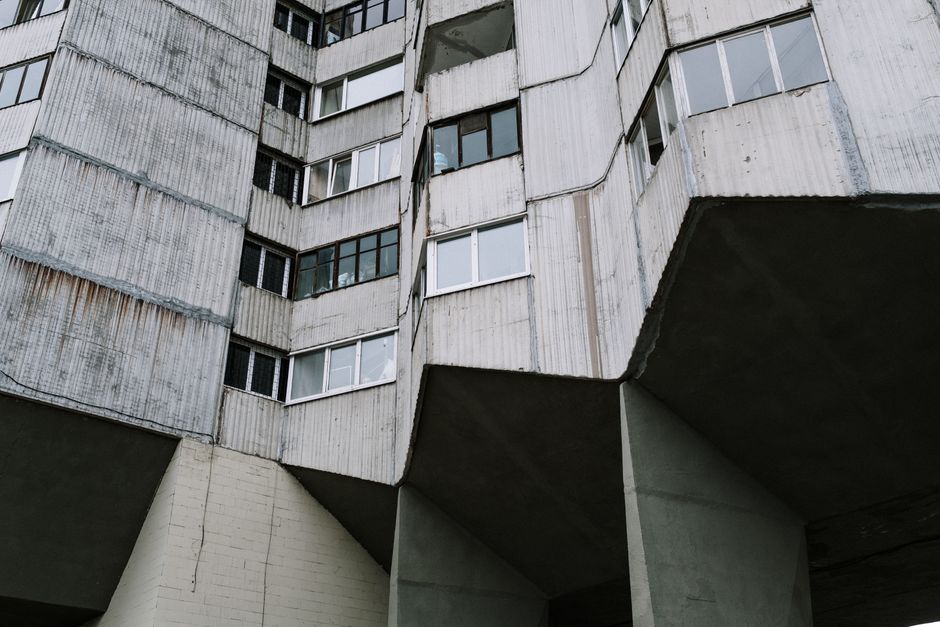
Brutalism, with its raw, unpolished aesthetic, is making a comeback, albeit in a more refined and accessible form. Think bold typography, asymmetrical layouts, and a focus on functionality over aesthetics.
This trend is a reaction against the overly polished and sanitized designs that have become so prevalent online. It's a celebration of honesty, authenticity, and the beauty of raw materials.
Inspiration: Think of a website for a tech startup, featuring a minimalist design with bold typography and a focus on functionality. Or a poster for an experimental art exhibition, showcasing raw textures and asymmetrical layouts.
Core Characteristics:
- Bold Typography: Using large, impactful fonts to create a sense of authority and presence.
- Asymmetrical Layouts: Breaking away from traditional grid-based layouts to create a more dynamic and unpredictable visual experience.
- Raw Textures: Using textures that emphasize the natural qualities of materials.
- Functional Focus: Prioritizing functionality over aesthetics.
7. Motion Graphics and Micro-Interactions (Bring Designs to Life!)

Static designs are becoming a thing of the past. In 2025, motion graphics and micro-interactions will be essential for creating engaging and memorable user experiences.
Think subtle animations, interactive elements, and dynamic transitions that add a touch of personality and make designs feel more alive. These elements can be used to guide users through a website, provide feedback on their actions, and create a more immersive and engaging experience.
Inspiration: Picture a website where the logo animates when you hover over it, or a mobile app where the buttons provide haptic feedback when you tap them.
Key Takeaways:
- Subtle Animations: Adding subtle animations to guide the user's eye and create a more engaging experience.
- Interactive Elements: Incorporating interactive elements that allow users to interact with the design.
- Dynamic Transitions: Using dynamic transitions to create a seamless and fluid user experience.
- Micro-Interactions: Adding small, delightful interactions to provide feedback and enhance usability.
8. The Return of Nostalgia (A Comforting Embrace!)
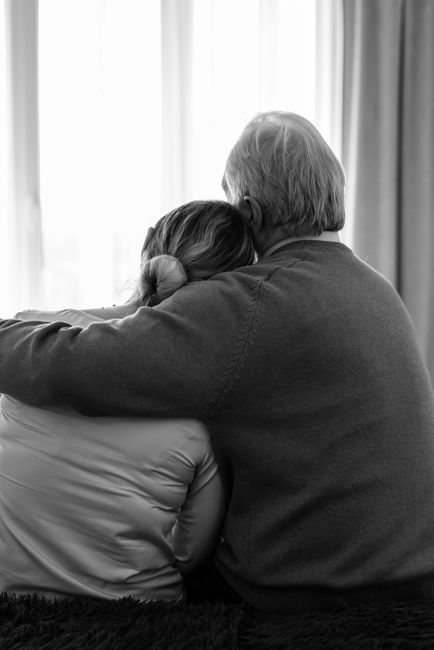
In a world of constant change, there's a growing desire for comfort and familiarity. This is why we're seeing a resurgence of nostalgic design trends, drawing inspiration from the past.
Think vintage color palettes, retro typography, and illustrations that evoke a sense of warmth and nostalgia. This trend is all about creating a connection with the past and tapping into feelings of comfort and familiarity.
Inspiration: Imagine a packaging design for a new soft drink, featuring a vintage logo and retro color palette. Or a website design for a coffee shop, incorporating hand-drawn illustrations and vintage typography.
Points to Ponder:
- Vintage Color Palettes: Using muted and nostalgic color palettes.
- Retro Typography: Choosing fonts that evoke a sense of nostalgia.
- Hand-Drawn Illustrations: Creating illustrations that have a vintage feel.
- Authentic Textures: Using textures that are reminiscent of vintage materials.
So, there you have it! A glimpse into the exciting world of graphic design trends for 2025. Remember, these are just predictions and observations, a starting point for your own creative explorations. Don't be afraid to experiment, break the rules, and create something truly unique and meaningful. After all, the most important trend is always the one that comes from your own heart and imagination.
Happy creating, my friends! Let's paint the future with passion and purpose!
Post a Comment