NEW Graphic Design Trends of 2025 (+ Design Inspiration)
NEW Graphic Design Trends of 2025 (+ Design Inspiration)
Hello, fellow creators and dreamers! Prepare to dive into a world brimming with vibrant hues, unexpected textures, and design philosophies that dare to break the mold. As a creative soul constantly chasing the next visual marvel, I'm absolutely thrilled to share my insights into the graphic design trends poised to define 2025. Let's embark on this artistic journey together!
Forget the rigid rules and predictable patterns of the past; 2025 is all about embracing experimentation, authenticity, and designs that resonate on a profoundly human level. We're talking about a symphony of creativity, where technology meets artistry and imagination knows no bounds. So, grab your sketchbooks (digital or physical!), sharpen your pencils (styluses!), and let's explore the exciting terrain ahead.
The Dawn of Digital Surrealism
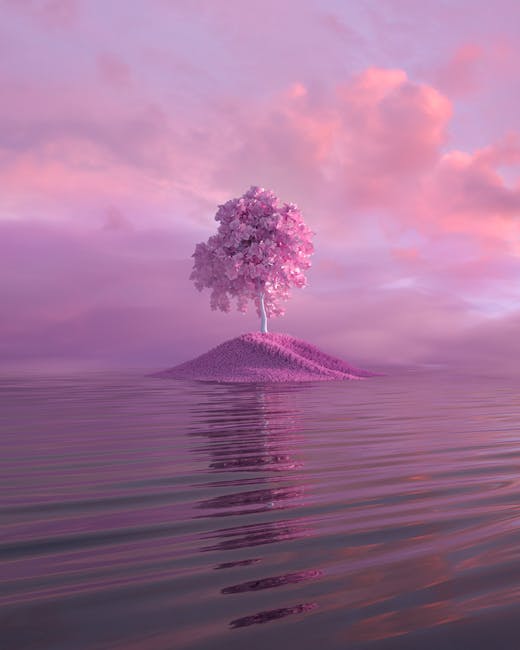
Oh, to wander through landscapes where reality bends and logic takes a backseat! Digital Surrealism is making a grand entrance, blending familiar elements in unexpected and dreamlike ways. Think of it as the love child of Salvador Dalí and the Metaverse.
A Blend of the Real and the Imaginary: This trend thrives on juxtaposing hyper-realistic elements with fantastical, impossible scenarios. Imagine a photograph of a blooming rose seamlessly merging into a digital landscape of floating islands. Dreamlike Color Palettes: Expect to see a shift towards ethereal, almost otherworldly color schemes. Think pastel gradients dissolving into bold, saturated hues, creating a sense of depth and wonder. Unexpected Textures: The magic of Digital Surrealism lies in the tactile illusion it creates. Designers will be experimenting with textures that seem to defy the digital realm, like the feel of velvet or the shimmer of water.
Design Inspiration: Check out the work of digital artists like Beeple and Refik Anadol for inspiration. Notice how they use advanced technology to create immersive and thought-provoking experiences. Also, explore the surrealist paintings of René Magritte and Joan Miró for a deeper understanding of the artistic roots of this trend.
The Rise of Inclusive Design
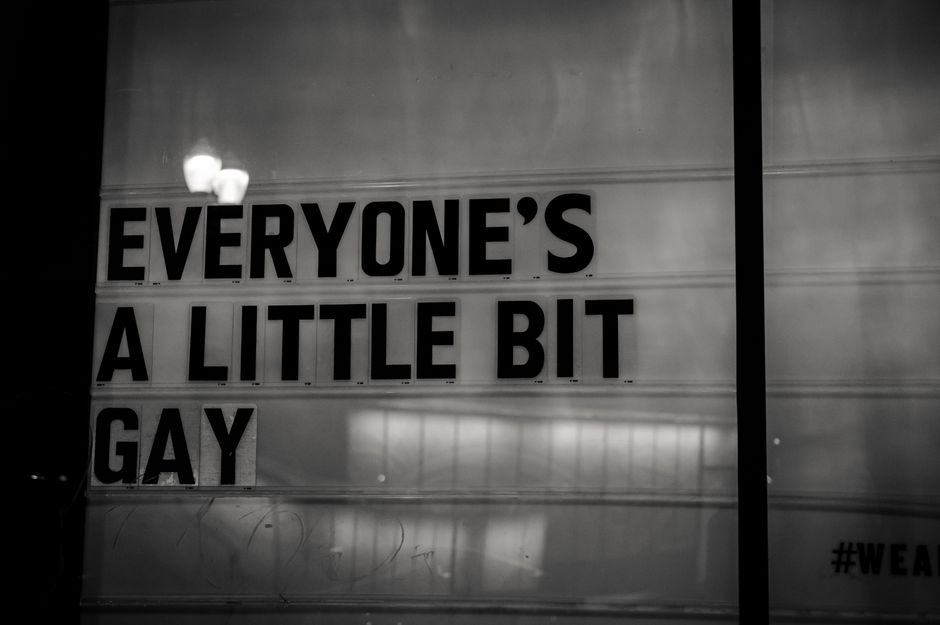
Design is for everyone. Period. And in 2025, we'll see a powerful movement towards inclusivity that transcends tokenism and permeates every aspect of the creative process.
Accessibility as a Core Principle: Inclusive design starts with accessibility. This means ensuring that designs are usable by people with disabilities, from visual impairments to motor skill limitations. We're talking about larger fonts, clear color contrasts, alternative text for images, and intuitive navigation. Representation Matters: Authentic and diverse representation will be paramount. This goes beyond simply featuring different ethnicities or body types in visuals. It's about telling stories that reflect the multifaceted experiences of all people. Universal Design Principles: Embrace the principles of Universal Design, which aims to create products and environments that are usable by all people, to the greatest extent possible, without the need for adaptation or specialized design.
Design Inspiration: Look to brands like Microsoft and Google, who have made significant strides in accessibility. Also, explore resources like the Web Content Accessibility Guidelines (WCAG) and the Inclusive Design Principles. Pay attention to designers who actively advocate for diversity and representation in the industry.
The Return of Maximalism (But With a Twist!)

Remember the days of "less is more"? Well, in 2025, prepare for "more is MORE!" But hold on, this isn't just about clutter and chaos. It's about creating visually rich and stimulating experiences that celebrate abundance and personality.
Curated Chaos: Maximalism is all about layering, but with intention. It's about carefully selecting elements that complement each other, even if they seem disparate at first glance. Think of it as an organized explosion of creativity. Bold Color Combinations: Forget muted tones – maximalism demands vibrant, unexpected color pairings. Think hot pink and emerald green, or electric blue and fiery orange. Dare to experiment and push the boundaries of color theory. Eclectic Typography: Maximalism embraces a variety of fonts, from classic serifs to playful sans-serifs. Don't be afraid to mix and match typefaces to create a visually dynamic hierarchy.
Design Inspiration: Explore the interior design world for inspiration. Maximalist interiors often feature bold patterns, rich textures, and an abundance of decorative objects. Also, look to the fashion world, where designers are embracing maximalist aesthetics with gusto.
The Allure of 3D Typography
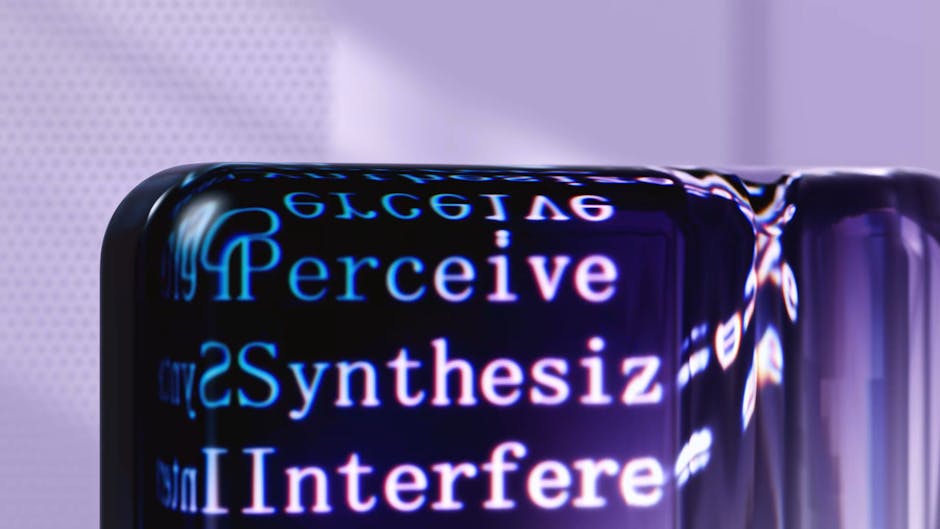
Typography is stepping off the page and into the third dimension! 3D typography adds depth, texture, and a touch of the unexpected to any design.
Depth and Dimension: 3D typography creates a sense of realism and tangibility, making your text jump off the screen. Playful Textures: From smooth, polished surfaces to rough, textured finishes, 3D typography allows for endless experimentation with texture. Dynamic Animations: Take your 3D typography to the next level with subtle animations. Think of letters that pulse, rotate, or even morph into different shapes.
Design Inspiration: Check out the work of designers who specialize in 3D modeling and animation. Also, explore platforms like Behance and Dribbble for stunning examples of 3D typography in action. Software like Cinema 4D and Blender are your friends here!
The Embrace of Imperfection
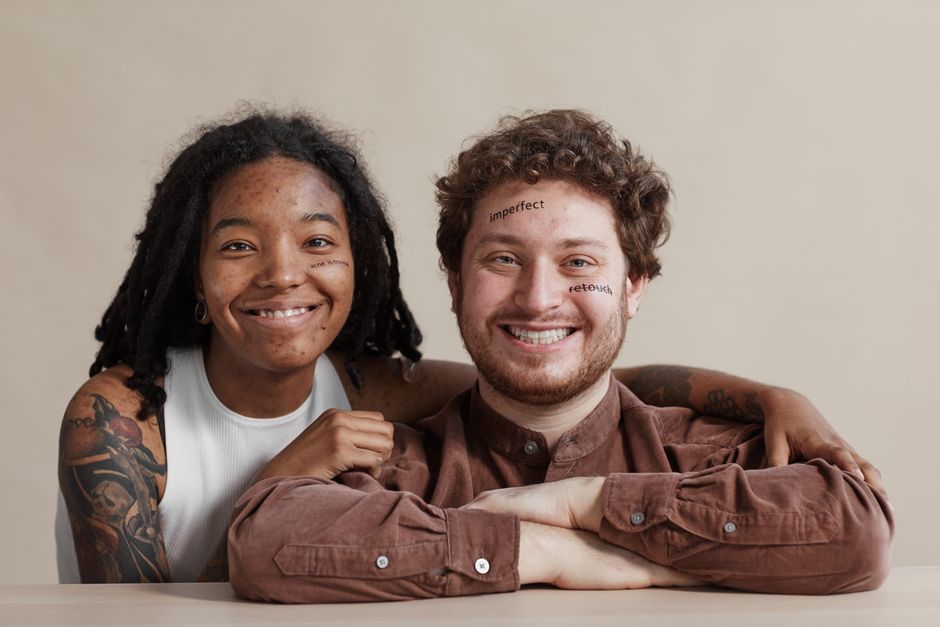
Perfection is overrated! In 2025, we're celebrating the beauty of imperfection and embracing designs that feel authentic and human.
Hand-Drawn Elements: Inject your designs with a personal touch by incorporating hand-drawn illustrations, sketches, and lettering. Organic Shapes: Ditch the rigid geometric forms and embrace organic, free-flowing shapes that mimic the natural world. Raw Textures: Experiment with textures that feel rough, worn, and imperfect. Think of grainy paper, distressed wood, or weathered metal.
Design Inspiration: Look to the world of folk art and handcrafted goods for inspiration. Also, explore the work of artists who embrace imperfections in their work, such as calligraphers who use traditional ink and brushes.
The Interactive Revolution: Personalized Experiences

Static designs are so last decade! In 2025, graphic design is becoming increasingly interactive, creating personalized experiences that engage users on a deeper level.
Personalized Content: Design that adapts to the individual user's preferences and behavior. Think of websites that display different content based on the user's location or past interactions. Gamification: Incorporate game mechanics into your designs to make them more engaging and rewarding. Think of progress bars, badges, and leaderboards. Augmented Reality (AR) Experiences: Bring your designs to life with augmented reality. Imagine scanning a poster with your phone and seeing it come to life with animations and interactive elements.
Design Inspiration: Explore the world of UX/UI design and study how designers are creating personalized experiences for users. Also, look to the gaming industry for inspiration on gamification and interactive storytelling.
The Power of Motion Graphics
Motion graphics are no longer just for video – they're becoming an integral part of graphic design across all platforms.
Subtle Animations: Even the smallest animations can add a touch of dynamism and personality to your designs. Think of elements that fade in and out, subtly shift position, or change color. Looping GIFs: Looping GIFs are a great way to add visual interest and tell a short story. Micro-Interactions: Small, animated interactions that respond to user actions, such as button clicks or mouse hovers.
Design Inspiration: Check out the work of motion graphics designers on platforms like Vimeo and Dribbble. Also, explore software like Adobe After Effects and Lottie to create your own motion graphics.
The Evolution of Minimalism: Clean & Functional with a Twist
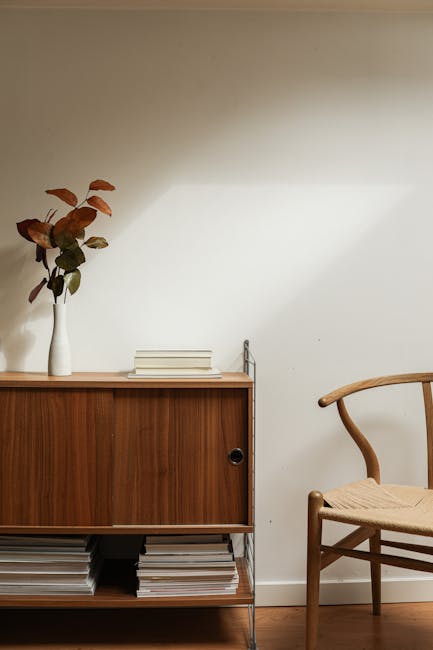
While maximalism is on the rise, minimalism is far from dead. In 2025, we'll see an evolution of minimalism that focuses on functionality, clarity, and a touch of personality.
Strategic Use of Color: Instead of relying on a monochrome palette, minimalist designs will incorporate pops of color to draw attention to key elements. Thoughtful Typography: Typography plays a crucial role in minimalist design. Choose a typeface that is both legible and visually appealing. Negative Space: Embrace the power of negative space to create a sense of calm and balance.
Design Inspiration: Explore the work of Swiss graphic designers and the Bauhaus movement for inspiration. Also, look to brands that are known for their minimalist aesthetic, such as Apple and Muji.
The Sustainable Design Imperative

Sustainability is no longer a trend – it's a responsibility. In 2025, graphic designers will be expected to create designs that are environmentally friendly and socially responsible.
Eco-Friendly Materials: Choose recycled paper, soy-based inks, and other sustainable materials for your print designs. Digital Minimalism: Reduce the environmental impact of your digital designs by optimizing images, minimizing code, and using energy-efficient servers. Promoting Sustainable Practices: Use your designs to raise awareness about environmental issues and promote sustainable practices.
Design Inspiration: Look to organizations that are dedicated to promoting sustainable design, such as the Sustainable Design Alliance. Also, explore the work of designers who are using their creativity to address environmental challenges.
AI-Assisted Design: The Creative Partner
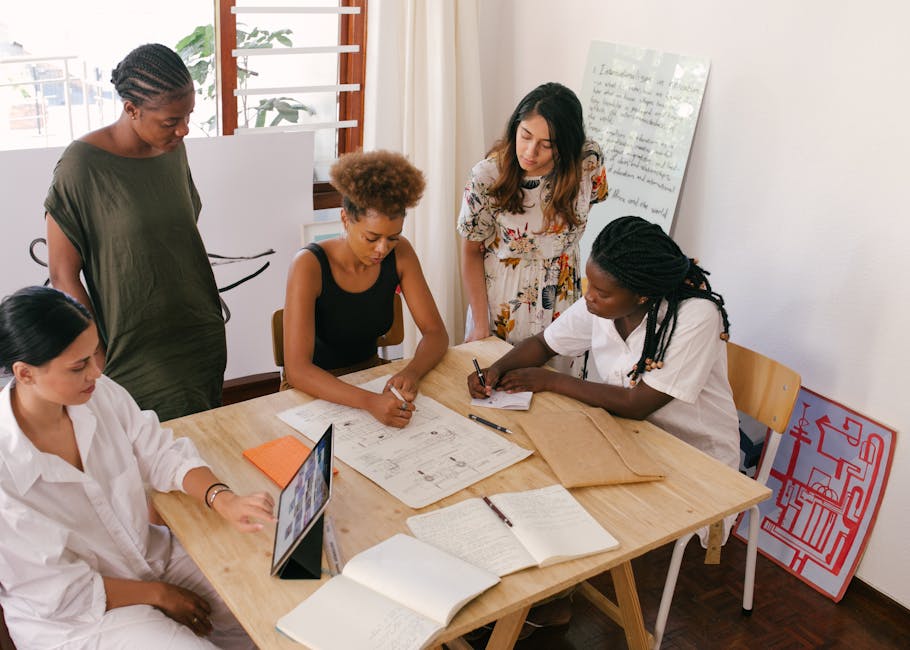
Artificial intelligence is rapidly changing the landscape of graphic design. In 2025, AI-powered tools will become even more sophisticated, assisting designers with tasks like image generation, layout creation, and typography selection. However, the creative vision still rests with us humans! AI becomes a powerful partner, not a replacement.
AI-Powered Image Generation: Tools like Midjourney and DALL-E 2 can generate stunning visuals from text prompts, allowing designers to quickly explore different concepts and ideas. Automated Layout Design: AI can assist with layout design by suggesting optimal arrangements of elements and ensuring visual harmony. Smart Typography Selection: AI can analyze the context of your design and suggest the most appropriate typefaces for your project.
Design Inspiration: Experiment with AI-powered design tools and explore their capabilities. Remember that AI is a tool to enhance your creativity, not replace it. The human element – your artistic vision and unique perspective – is what truly matters.
So there you have it, my friends! A glimpse into the exhilarating world of graphic design trends in 2025. It's a landscape filled with experimentation, inclusivity, and a deep appreciation for the power of visual storytelling. Embrace the chaos, celebrate the imperfections, and never stop exploring the boundless possibilities of creativity. Let's create a world that is not only visually stunning but also meaningful, inclusive, and sustainable. Happy designing!
Post a Comment