Top 10 Indian Contemporary Artists You Absolutely Need To Know
Top 10 Indian Contemporary Artists You Absolutely Need To Know
Namaste, art lovers! Ever felt that little flutter in your heart when you stumble upon a piece that just… speaks to you? That's the magic of contemporary art, and India, oh India, is overflowing with it! Today, we're diving headfirst into the vibrant world of Indian contemporary artists, spotlighting ten incredibly talented individuals who are shaping the narrative of modern art with their unique perspectives and breathtaking creations. Prepare to be inspired, because these artists are about to blow your artistic socks off!
What Makes Indian Contemporary Art So Special?
Before we jump into our top ten, let's quickly address why Indian contemporary art is making waves globally. It's not just about pretty pictures (though, let's be honest, there are plenty of those!). It's about:
A. Bridging Tradition and Modernity: Indian artists are masterful at weaving together age-old traditions, myths, and cultural symbols with modern themes and techniques. This creates a fascinating dialogue between the past and the present.
B. Exploring Social and Political Issues: Many Indian artists use their work as a platform to address important social, political, and environmental issues. Their art often provokes thought and encourages dialogue.
C. Embracing Diversity: India is a land of immense diversity, and this is reflected in its art. From intricate miniature paintings to large-scale installations, Indian contemporary art encompasses a wide range of styles and mediums.
D. Global Recognition: Indian artists are gaining increasing recognition on the global art scene, with their works being exhibited in prestigious museums and galleries around the world.
Okay, are you ready? Let's embark on this artistic adventure!
1. Anish Kapoor: The Master of Monumental Forms

Let's start with a name that resonates globally: Sir Anish Kapoor. While he's British-Indian, his Indian heritage profoundly influences his artistic vision. Kapoor is renowned for his large-scale sculptures and installations that explore themes of space, light, and perception. Think of his iconic "Cloud Gate" in Chicago (affectionately known as "The Bean") – a mesmerizing, reflective surface that distorts and reimagines the surrounding cityscape. Kapoor's use of vibrant colors and polished surfaces creates a sense of wonder and invites viewers to interact with his art on a visceral level.
His work often evokes a sense of the sublime, pushing the boundaries of what sculpture can be. He uses materials like stainless steel, pigment, and wax to create immersive experiences that challenge our understanding of reality. Kapoor's art isn't just about aesthetics; it's about creating spaces for contemplation and provoking a sense of awe.
2. Bharti Kher: Bindis, Mythology, and the Feminine Divine

Bharti Kher is a powerhouse whose art dances between mythology, symbolism, and social commentary. She's best known for her use of the bindi, the forehead dot traditionally worn by Indian women, as a central element in her work. Kher transforms ordinary objects into extraordinary works of art by covering them with thousands of bindis, creating intricate patterns and textures.
Her work often explores themes of identity, gender, and the complexities of Indian society. Kher's use of the bindi is particularly powerful, as it reclaims and recontextualizes a symbol that has often been associated with tradition and conformity. Through her art, she celebrates the feminine divine and challenges conventional notions of beauty and power.
3. Subodh Gupta: Utensils as Art - A Culinary Symphony
Subodh Gupta has a knack for turning everyday objects into monumental works of art. He's particularly known for his sculptures made from stainless steel utensils – pots, pans, and tiffin boxes – that are stacked and arranged in visually stunning ways. These seemingly mundane objects become symbols of Indian culture, globalization, and the aspirations of the middle class.
Gupta's work often reflects on his own personal experiences and the changing landscape of India. He uses these familiar objects to create a sense of nostalgia and to evoke memories of home and family. His art is both visually striking and conceptually rich, inviting viewers to reflect on the everyday objects that shape our lives.
4. Jitish Kallat: Time, History, and the Urban Landscape

Jitish Kallat's art is deeply rooted in the urban landscape of Mumbai, a city that pulsates with life, chaos, and contradictions. He explores themes of time, history, and the human condition through a variety of mediums, including painting, sculpture, photography, and installation.
Kallat's work often incorporates images and symbols from everyday life – street signs, traffic signals, and architectural details – to create complex and layered narratives. He is particularly interested in the interplay between the individual and the collective, and his art often reflects on the challenges and opportunities of living in a rapidly changing urban environment. He's a master storyteller with a brush, chisel and lens, making sure we really see what's around us.
5. Atul Dodiya: Cinematic Visions and Social Commentary

Atul Dodiya is a versatile artist whose work draws inspiration from a wide range of sources, including cinema, literature, and Indian history. He's known for his paintings that often incorporate images and references from popular culture, creating a playful and engaging dialogue between the past and the present.
Dodiya's art often addresses social and political issues, using humor and irony to critique power structures and challenge conventional narratives. His work is both visually appealing and intellectually stimulating, inviting viewers to engage with complex ideas in a thoughtful and engaging way. Plus, the cinematic flair adds a delicious visual treat!
6. Ravinder Reddy: Hyper-Realistic Sculptures with a Modern Twist
Prepare to be captivated by Ravinder Reddy's larger-than-life sculptures of female figures. His work is characterized by its bold colors, exaggerated features, and hyper-realistic details. Reddy's sculptures are often inspired by Indian folk art and mythology, but he gives them a distinctly modern twist.
His sculptures are often seen as a celebration of female beauty and power. The vibrant colors and exaggerated features of his figures create a sense of joy and exuberance. Reddy's art is both visually stunning and culturally significant, challenging conventional notions of beauty and celebrating the diversity of Indian culture. He's definitely not shy with colour and form!
7. Nalini Malani: Shadow Plays and Feminist Perspectives

Nalini Malani is a pioneering figure in Indian contemporary art, known for her multimedia installations that explore themes of gender, violence, and social justice. She often uses shadow plays, video projections, and other experimental techniques to create immersive and thought-provoking experiences.
Malani's work is deeply committed to feminist perspectives and challenges the patriarchal structures that often dominate Indian society. Her art is both visually arresting and politically charged, inviting viewers to confront uncomfortable truths and to reflect on the complexities of the human condition. Her shadow play is truly magical.
8. Reena Saini Kallat: Maps, Borders, and the Human Connection

Reena Saini Kallat's works explore themes of borders, migration, and the human connections that transcend geographical boundaries. She often uses maps, flags, and other symbols of national identity to create intricate and layered installations that challenge conventional notions of belonging and citizenship.
Kallat's art is particularly relevant in today's world, where issues of migration and displacement are increasingly pressing. She uses her work to raise awareness about the human cost of conflict and to promote a more inclusive and compassionate understanding of global citizenship. She creates powerful visual representations of sometimes invisible barriers.
9. Thukral & Tagra: A Collaborative Force of Colour and Culture
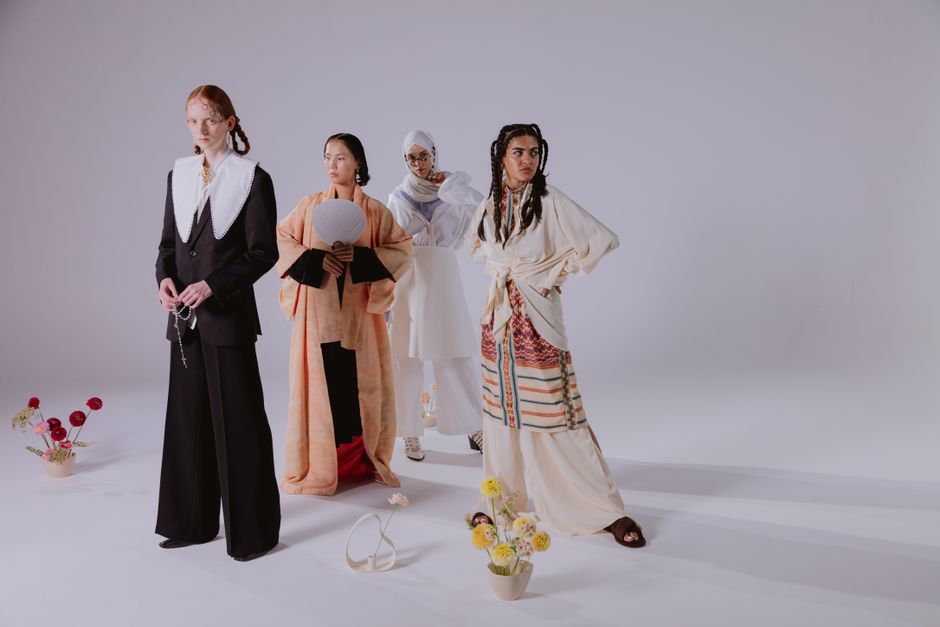
This dynamic duo, Jiten Thukral and Sumir Tagra, create collaborative works that blend pop culture, consumerism, and Indian aesthetics. Their art is often characterized by its vibrant colors, playful imagery, and tongue-in-cheek social commentary.
Thukral & Tagra's work explores the impact of globalization on Indian society and the ways in which consumer culture shapes our identities. They use their art to critique the superficiality of modern life and to celebrate the richness and diversity of Indian culture. They're proof that two artistic minds are sometimes better than one!
10. Shilpa Gupta: Interactive Art and the Power of Voice
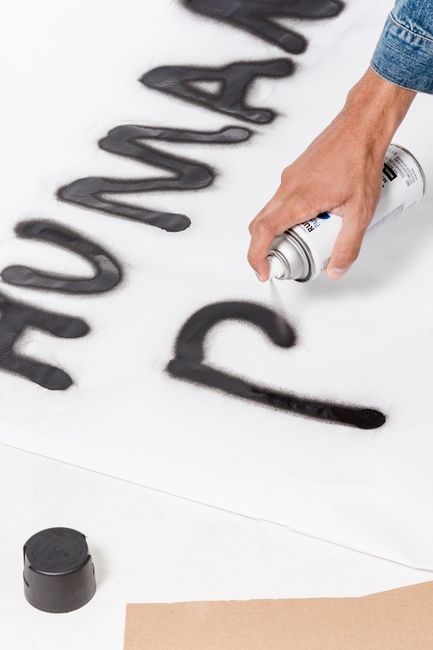
Shilpa Gupta creates interactive installations and sculptures that explore themes of identity, surveillance, and the power of voice. Her work often invites viewers to participate directly, blurring the lines between art and life.
Gupta's art is deeply concerned with issues of social justice and human rights. She uses her work to raise awareness about censorship, political repression, and the importance of freedom of expression. Her art is both thought-provoking and empowering, encouraging viewers to become active participants in shaping the world around them. This artist encourages dialogue in the most unique ways.
Beyond the Top 10: Exploring the Vast Landscape of Indian Contemporary Art

This list is just a starting point! The world of Indian contemporary art is vast and diverse, with countless other talented artists making significant contributions. I encourage you to explore further, visit galleries, attend exhibitions, and discover the artists who resonate with you. Here are some tips for deepening your exploration:
A. Visit Indian Art Galleries: Major cities like Mumbai, Delhi, and Kolkata have vibrant art scenes. Check out local galleries and art fairs to discover emerging and established artists.
B. Explore Online Resources: Websites like Artsy, Saffronart, and Artnet offer comprehensive information on Indian contemporary artists and their work.
C. Follow Art Critics and Bloggers: Keep up with the latest trends and developments in Indian contemporary art by following the work of respected art critics and bloggers.
D. Engage with Art Communities: Join online forums and social media groups dedicated to Indian art to connect with other enthusiasts and share your discoveries.
So, there you have it – a glimpse into the captivating world of Indian contemporary art! I hope this journey has inspired you to appreciate the creativity, innovation, and cultural richness that these artists bring to the global stage. Happy art gazing!
Post a Comment