Try Expressive Abstract Painting with Botanical Inspiration (2 Intuitive Art Demos)
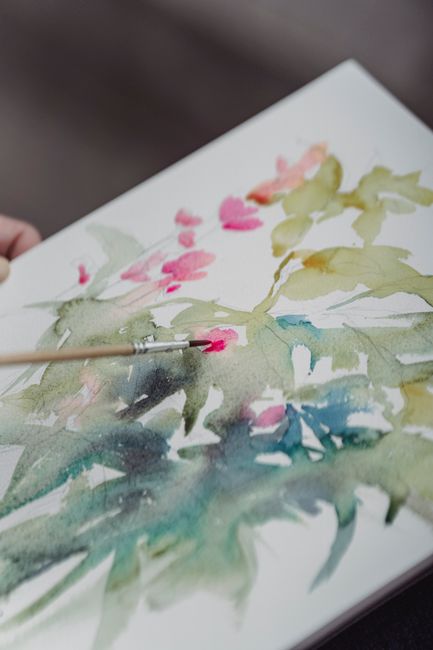
Try Expressive Abstract Painting with Botanical Inspiration (2 Intuitive Art Demos)
Hello fellow art adventurers! Gather 'round, for today we're diving headfirst into the enchanting world of expressive abstract painting, with a juicy botanical twist. Think vibrant colors, playful textures, and a whole lotta intuitive goodness. Forget rigid rules and perfectly rendered petals; we're unlocking our inner artists and letting the spirit of the garden bloom on our canvases. I'm so excited to share two fun and accessible demos with you, perfect for beginners and seasoned artists alike who are looking to loosen up and rediscover the pure joy of creation.
Why Botanical Abstraction? A Love Affair with Nature

Why combine the seemingly disparate realms of botanical illustration and abstract expressionism? Because, my friends, the possibilities are simply breathtaking! Nature, in all its glory, offers an endless source of inspiration. The intricate veins of a leaf, the vibrant hues of a sunset reflecting on a flower petal, the chaotic beauty of a tangled vine – these are all visual cues just begging to be interpreted through the lens of abstract art. We're not aiming for photographic realism here. Instead, we're capturing the essence, the feeling, the very soul of the botanical world.
Abstract art, at its heart, is about emotional expression. It's about tapping into your intuition and allowing your feelings to guide your brushstrokes. By fusing this with the rich visual language of botany, we create a powerful synergy. Imagine: energetic bursts of color mirroring the vitality of spring blossoms, or layered textures evoking the rough bark of an ancient tree. It's about translating the feeling of being in a garden into a visual symphony on canvas.
Gather Your Supplies: Your Artist's Toolkit

Before we begin our creative journey, let's gather our trusty tools. Don't worry, you don't need a fancy studio or a mountain of expensive materials. The beauty of abstract art is its inherent freedom and accessibility. Here's a basic list to get you started:
- Acrylic Paints: These are my go-to for their versatility and quick-drying nature. Choose a selection of colors that resonate with you – think vibrant greens, earthy browns, pops of floral hues, and some grounding neutrals. Don't be afraid to experiment with different brands and qualities!
- Canvas or Watercolor Paper: Stretched canvas is a classic choice, but sturdy watercolor paper works beautifully for smaller studies and experimental techniques. Consider different sizes and shapes to keep things interesting.
- Brushes: A variety of sizes and shapes will open up a world of possibilities. Flat brushes are great for broad strokes, round brushes for details, and angled brushes for expressive marks. Consider also palette knives for applying paint in thick textures.
- Palette: A ceramic plate, a plastic palette, or even a piece of wax paper will do the trick. The important thing is to have a surface for mixing your paints.
- Water Container: For cleaning your brushes, of course!
- Paper Towels or Rags: Essential for wiping brushes and cleaning up spills.
- Optional Extras: This is where you can really personalize your toolkit! Consider adding mediums (like gel medium for texture or glazing medium for transparency), sponges, stencils, mark-making tools (like skewers or combs), and even natural elements like leaves or twigs for adding texture.
Demo 1: Intuitive Layering and Botanical Echoes

This first demo focuses on building layers of color and texture, drawing inspiration from the shapes and patterns found in botanical forms. We'll focus on intuitive mark-making and embracing the unexpected.
Step 1: The Foundation – A Wash of Color
Begin by applying a thin wash of color to your canvas or paper. I like to use a diluted acrylic paint in a light, earthy tone, like raw umber or burnt sienna. This will create a subtle background and provide a unifying element for the rest of the painting. Don't strive for perfection; embrace the imperfections and let the paint flow freely.
Step 2: Building the Layers – Intuitive Marks and Textures
Now comes the fun part! Using a variety of brushes and mark-making tools, start adding layers of color and texture. Think about the shapes and patterns you see in plants – the curves of a stem, the jagged edges of a leaf, the delicate veins of a petal. Don't try to copy them directly; instead, let them inspire your marks and gestures. Use different colors, pressures, and angles to create a dynamic and visually interesting surface.
Experiment with different techniques. Try dry brushing (applying paint with a relatively dry brush to create a textured effect), scumbling (layering broken colors), or stippling (creating dots with the tip of your brush). Don't be afraid to make mistakes; they often lead to unexpected discoveries.
Step 3: Introducing Botanical Echoes – Suggestive Shapes
As you build your layers, start introducing subtle hints of botanical forms. This could involve creating elongated shapes that suggest stems, circular forms that evoke flowers, or jagged lines that mimic leaves. Remember, we're not aiming for realism here. The goal is to create a sense of visual suggestion, hinting at the natural world without being overly literal. You can use stencils (leaf shapes, flower shapes) at this point, or even trace around actual leaves.
Step 4: Refining and Balancing – Finding Harmony
Step back from your painting and assess its overall composition. Do you see areas that need more contrast? Are there any spots that feel too crowded or too empty? Use your colors to move the eye around the painting, adding darker tones where shadows should be and lighter tones for emphasis. Keep layering until you are happy with how the piece looks. Remember to rotate your work as you go.
Add final touches to balance the composition. This might involve adding small details, like dots or lines, or softening certain areas with a glaze of color. Trust your instincts and keep tweaking until the painting feels complete.
Step 5: The Big Reveal!
Voila! Allow to dry. Hang it up, and revel in your glorious creation!
Demo 2: Floral Bursts and Energetic Color Fields

This demo focuses on capturing the energy and vibrancy of a blooming garden through bold colors and dynamic compositions. We'll explore color relationships and create a sense of movement and growth.
Step 1: The Groundwork – A Textured Base
Instead of starting with a smooth wash, let's create a textured base for this painting. Apply a thick layer of gel medium to your canvas or paper using a palette knife. You can create a variety of textures by dragging the knife across the surface, creating ridges, swirls, or other interesting patterns. Let the gel medium dry completely before proceeding. This will give your painting a tactile quality and add visual interest.
Step 2: Unleashing the Color – Bold and Expressive Strokes
Now it's time to unleash your inner color enthusiast! Choose a palette of vibrant colors that evoke the feeling of a blooming garden. Think about the colors of your favorite flowers – the fiery reds of poppies, the sunny yellows of sunflowers, the delicate pinks of roses. Load your brush with paint and apply it to the canvas in bold, expressive strokes.
Don't be afraid to mix colors directly on the canvas. This will create a sense of spontaneity and allow the colors to blend and interact in interesting ways. Experiment with different brushstrokes – short, choppy strokes, long, sweeping strokes, and even splattering paint for added energy.
Step 3: Creating Floral Bursts – Concentrated Areas of Color
Focus on creating concentrated areas of color that suggest floral bursts. These could be clusters of small, brightly colored strokes that resemble flower petals, or larger, more abstract shapes that evoke the feeling of a blooming blossom. Use contrasting colors to create visual interest and emphasize the focal points of your painting.
Step 4: Adding Movement and Depth – Layering and Glazing
To create a sense of movement and depth, experiment with layering and glazing. Apply thin washes of transparent color over certain areas of the painting to soften the edges and create a sense of atmosphere. You can also use thicker layers of paint to add texture and dimension.
Consider adding diagonal lines or sweeping curves to suggest growth and movement. This will help to guide the viewer's eye around the painting and create a sense of dynamic energy.
Step 5: Fine-Tuning and Completion – A Celebration of Color
Step back and assess your painting one last time. Are there any areas that need more attention? Do the colors feel balanced and harmonious? Make any final adjustments and add any finishing touches. This is your chance to refine your vision and bring the painting to a satisfying conclusion.
Step 6: Admire your Masterpiece!
Stand back and adore your newest work!
Tips for Success: Nurturing Your Creative Spirit

Here are a few extra tips to help you on your expressive abstract painting journey:
- Embrace Imperfection: Don't be afraid to make mistakes. Abstract art is all about experimentation and embracing the unexpected. Let go of the need for perfection and allow yourself to explore and discover.
- Trust Your Intuition: Listen to your inner voice and let your feelings guide your brushstrokes. Don't overthink it; just let the paint flow and see where it takes you.
- Study Nature: Spend time observing the natural world. Pay attention to the colors, shapes, and patterns you see in plants and landscapes. Use these observations to inspire your art.
- Experiment with Different Techniques: Don't be afraid to try new things. Explore different brushstrokes, mark-making tools, and color combinations. The more you experiment, the more you'll discover what works best for you.
- Find Inspiration Everywhere: Look for inspiration in unexpected places. A colorful sunset, a piece of textured fabric, or even a discarded piece of cardboard can spark your creativity.
- Practice Regularly: The more you paint, the better you'll become. Set aside time each week to dedicate to your art. Even just a few minutes a day can make a big difference.
The Joy of Creation: A Final Flourish

Remember, the most important thing is to have fun! Expressive abstract painting is a journey of self-discovery. It's a chance to connect with your inner artist, explore your emotions, and create something beautiful and meaningful. So grab your brushes, embrace the mess, and let your botanical-inspired abstract art bloom! Happy painting, friends! Let me know in the comments how your paintings are going. I can't wait to see what you've created!
Post a Comment