What's the REAL Purpose of Contemporary Art? | A Curious Exploration

What's the REAL Purpose of Contemporary Art? | A Curious Exploration
Ah, contemporary art! The phrase itself can conjure up images of bewildering installations, challenging concepts, and maybe even a slight feeling of… well, confusion. But fear not, fellow art lovers and curious minds! I'm here to embark on a delightful journey, a quest to unravel the real purpose of contemporary art, especially in places like the renowned Turner Contemporary. It's not about stuffy galleries and silent reverence, it's about life, feeling, and maybe a little bit of pushing boundaries. So, grab your metaphorical berets, and let's dive in!
What exactly is contemporary art, anyway? It's a moving target, that's for sure. Simply put, it's art created in the present day. Unlike modern art, which generally refers to work produced between the 1860s and the 1970s, contemporary art is now. It's a reflection of our current world, our hopes, fears, joys, and anxieties, all expressed through a multitude of mediums and styles. Think painting, sculpture, photography, video, performance art, installation art… the list goes on and on!
But why does it exist? Why should we care? That's the million-dollar question, isn't it?
Beyond the Frame: Unveiling the Layers of Purpose

The "real" purpose, as I see it, isn't just one thing. It's a multifaceted gem, sparkling with different intentions and effects. Here are a few facets I find particularly captivating:
1. Reflection and Commentary: Holding a Mirror to Society
At its core, contemporary art acts as a mirror, reflecting the world around us. It often tackles complex social, political, and cultural issues, prompting us to think critically about the world we live in. From climate change to social injustice to the impact of technology, artists use their work to raise awareness, spark dialogue, and challenge the status quo. Think of Barbara Kruger's bold text-based works that critique consumerism or Ai Weiwei's powerful installations addressing human rights concerns. They're not just making pretty pictures; they're making statements.
2. Pushing Boundaries and Challenging Conventions: Dare to Be Different
Contemporary art revels in experimentation. It dares to break the rules, challenge established norms, and explore new ways of seeing and creating. Artists are constantly pushing the boundaries of what art can be, experimenting with new materials, techniques, and concepts. This constant innovation is what keeps art alive and relevant. It's about questioning everything and refusing to be confined by tradition. Imagine the initial reactions to Marcel Duchamp's "Fountain" – a urinal presented as art! Scandalous, yes, but also revolutionary.
3. Emotional Resonance and Personal Connection: Feeling the Feels
While some contemporary art might seem intellectually challenging, it's often deeply rooted in emotion. Artists use their work to express their own feelings, experiences, and perspectives, inviting viewers to connect with them on a personal level. A powerful painting, a haunting photograph, or a moving performance can evoke a range of emotions, from joy and wonder to sadness and anger. Art allows us to tap into our own humanity and connect with others through shared experiences. Think of the raw emotion conveyed in Frida Kahlo's self-portraits or the ethereal beauty of Olafur Eliasson's light installations.
4. Fostering Dialogue and Encouraging Critical Thinking: Let's Talk About It
Contemporary art is rarely passive. It's designed to provoke thought, spark conversation, and encourage critical thinking. It invites us to question our assumptions, challenge our beliefs, and consider different perspectives. It's not always about providing answers; it's about asking the right questions. A thought-provoking installation might leave you feeling confused or challenged, but that's often the point. It's meant to make you think, to engage with the work on a deeper level.
5. Aesthetic Exploration and Pure Visual Delight: The Joy of Seeing
Let's not forget the sheer aesthetic pleasure that art can provide! While contemporary art often deals with complex themes, it can also be simply beautiful, visually stunning, and a joy to behold. Artists pay meticulous attention to form, color, composition, and texture, creating works that are visually captivating and emotionally resonant. Sometimes, the purpose of art is simply to delight the eye and uplift the spirit. Consider the vibrant colors of David Hockney's paintings or the intricate details of Yayoi Kusama's installations.
Turner Contemporary: A Case Study in Purpose
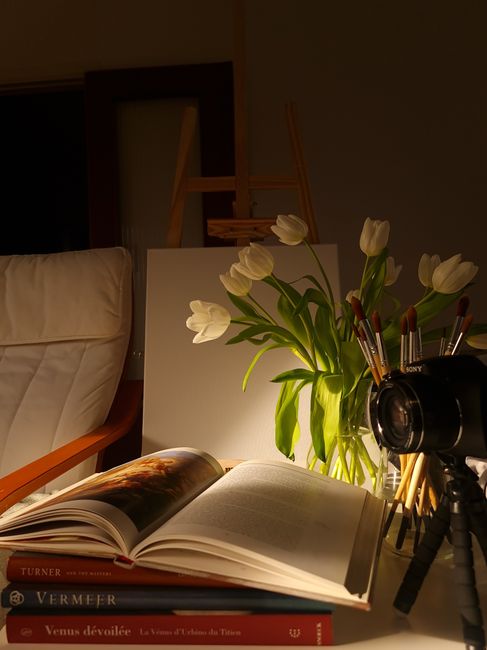
Now, let's bring this all home with a look at Turner Contemporary in Margate, UK. This iconic gallery is a shining example of how contemporary art can fulfill all of these purposes, and more.
Turner Contemporary, named after the great British painter J.M.W. Turner, is committed to showcasing the best in contemporary and historical art. It's not just a repository of artwork; it's a dynamic hub for creativity, learning, and community engagement. Here's how it embodies the key purposes we discussed:
a. Reflecting the Coastal Landscape and Community: Turner Contemporary often features exhibitions that explore the unique character of Margate and the surrounding coastal landscape. This could involve showcasing artists who are inspired by the local environment, or presenting works that address issues facing the community.
b. Championing Emerging and Established Artists: The gallery provides a platform for both emerging and established artists, giving them the opportunity to showcase their work to a wider audience. This helps to foster creativity and innovation in the art world.
c. Offering Educational Programs and Community Initiatives: Turner Contemporary is deeply committed to education and community engagement. They offer a wide range of programs for people of all ages, from workshops and talks to family activities and artist residencies. This helps to make art accessible to everyone and encourages creative participation.
d. Promoting Dialogue and Critical Thinking: The exhibitions at Turner Contemporary are often designed to provoke thought and spark conversation. They tackle complex social and political issues, encouraging visitors to engage with the work on a deeper level.
e. Celebrating the Legacy of J.M.W. Turner: While focusing on contemporary art, the gallery also acknowledges the legacy of J.M.W. Turner, whose connection to Margate inspired its creation. This provides a historical context for the contemporary works on display and highlights the enduring power of art.
Navigating the Contemporary Art Landscape: A Few Tips for the Curious

Feeling inspired? Ready to dive into the world of contemporary art? Here are a few tips to help you navigate the landscape:
1. Be Open-Minded: Approach contemporary art with an open mind and a willingness to be challenged. Don't be afraid to admit that you don't understand something. The beauty of art is that it's subjective!
2. Do Your Research: Learn about the artist, the context of the work, and the ideas behind it. This will help you to appreciate the work on a deeper level. Gallery websites and artist statements are your friends!
3. Trust Your Gut: Don't be afraid to rely on your own intuition and emotional response. What does the artwork make you feel? What does it make you think about? Your own personal connection to the work is what matters most.
4. Engage in Dialogue: Talk to other people about the art you see. Share your thoughts and feelings, and listen to their perspectives. Art is meant to be shared and discussed.
5. Visit Galleries and Museums Regularly: The best way to learn about contemporary art is to see it in person. Visit galleries, museums, and art fairs as often as you can. Take advantage of free admission days and guided tours.
6. Don't Be Afraid to Ask Questions: Gallery staff are usually happy to answer your questions and provide more information about the artwork on display. Don't hesitate to ask if you're feeling confused or unsure.
7. Embrace the Absurd: Sometimes, contemporary art is just plain weird. And that's okay! Embrace the absurdity and try to find the humor in it.
The Enduring Power of Art: More Than Just Decoration

Ultimately, the real purpose of contemporary art is to enrich our lives, expand our horizons, and challenge our perceptions. It's a powerful tool for communication, expression, and social change. It's a reflection of our shared humanity and a celebration of the creative spirit.
So, the next time you find yourself standing in front of a seemingly incomprehensible artwork, remember that it's not just about what you see on the surface. It's about the ideas, the emotions, and the stories that lie beneath. It's about the artist's intention and your own personal interpretation. It's about the power of art to transform our world, one brushstroke, one sculpture, one performance at a time. Go forth and explore! Let art ignite your imagination and fuel your soul. The world is waiting to be seen, interpreted, and reimagined through your own creative lens.
And always remember, art, in all its glorious forms, is a conversation, not a monologue. Join in!
Post a Comment