When You Have Too Many Art Ideas: Taming the Creative Tempest

When You Have Too Many Art Ideas: Taming the Creative Tempest
Ah, the delicious torment of boundless inspiration! As creatives, we often find ourselves swimming, sometimes drowning, in a sea of ideas. It's a vibrant, swirling vortex of possibilities, but it can also be… well, overwhelming. Trust me, darling, I get it. My own mind is a kaleidoscope of colors, textures, and half-formed concepts, constantly shifting and rearranging. But fear not, fellow artist! Having too many art ideas is a wonderful problem to have, and with a little bit of strategy, we can harness that creative energy and transform it into something truly magnificent.
This isn't about stifling your imagination; quite the opposite! It's about learning to navigate the abundance, to choose wisely, and to give each idea the attention and care it deserves. So, grab a cup of something comforting (mine's a lavender latte, naturally), settle in, and let's explore how to wrangle that creative beast within.
Understanding the Idea Avalanche

First, let's acknowledge the root of the issue. Why do we suddenly find ourselves bombarded with art ideas? It often stems from a few key sources:
a. Exposure to New Stimuli: A museum visit, a captivating film, an inspiring conversation – anything that ignites our senses can trigger a cascade of ideas. New experiences are fuel for the creative fire.
b. Creative Block Breaking: Sometimes, the drought ends with a torrential downpour. After struggling with creative block, the floodgates open, and ideas rush in to compensate.
c. Exploring New Techniques or Mediums: Venturing into unfamiliar artistic territory often leads to a burst of innovative concepts. Each new tool or method suggests a universe of possibilities.
d. Overthinking and Perfectionism: Believe it or not, the pressure to create something amazing can ironically trigger a deluge of ideas as your brain frantically searches for the "perfect" one.
e. Simply Being a Creative Soul: Let's face it, some of us are just wired that way! Our minds are idea factories, constantly churning out possibilities, whether we ask them to or not.
Recognizing the source of your idea overload is the first step towards managing it. Once you understand why you're overwhelmed, you can start to develop strategies to cope.
The Idea Inventory: Capturing the Creative Chaos
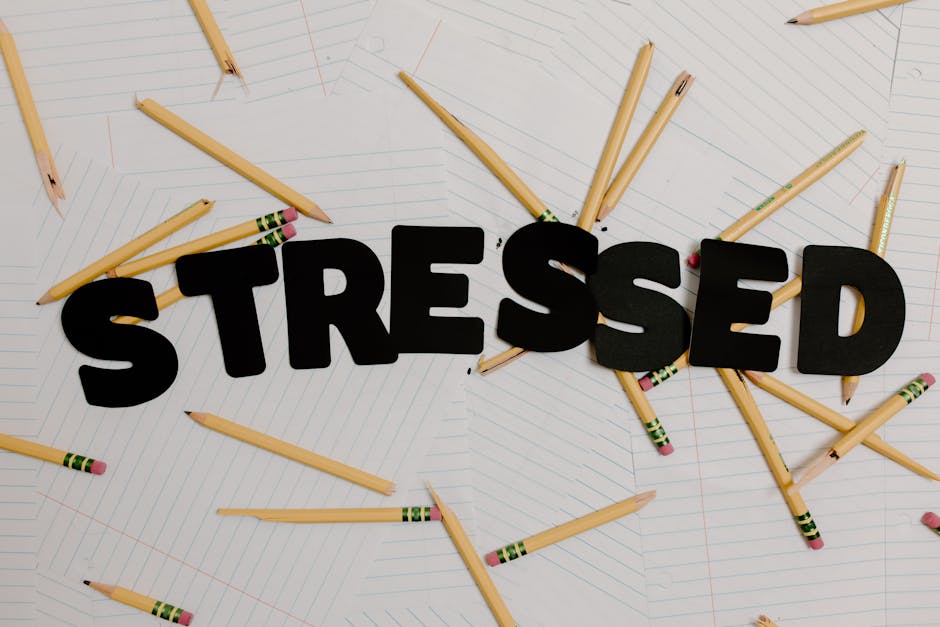
The most crucial step is to get those ideas out of your head and onto… well, anything! Don't let them languish in the murky depths of your subconscious. They need to be captured, documented, and assessed. Think of it as creating an inventory of your creative assets. Here are a few methods I swear by:
1. The Trusty Notebook: A classic for a reason. Carry a notebook and pen (or pencil – I'm partial to a good charcoal pencil) with you everywhere. Jot down ideas as they strike, no matter how fleeting or incomplete. Don't worry about making sense or being coherent; just capture the essence of the thought. Include sketches, color swatches, or anything else that helps solidify the concept.
2. The Digital Note-Taking App: For the tech-savvy artist, apps like Evernote, OneNote, or even a simple notes app on your phone can be invaluable. The advantage here is searchability and the ability to easily add images, links, and voice recordings.
3. The Visual Mind Map: If you're a visual thinker (and let's be honest, most of us artists are), a mind map can be incredibly helpful. Start with a central idea in the middle of the page and branch out with related concepts, keywords, and images. This allows you to see the connections between different ideas and explore their potential.
4. The Voice Recorder: Sometimes, ideas come to us when our hands are busy – while driving, cooking, or exercising. A voice recorder (or the voice memo app on your phone) allows you to capture those fleeting thoughts without having to stop what you're doing.
5. The Dedicated Idea Journal: Create a specific journal solely for brainstorming and idea generation. This provides a dedicated space to explore your creativity without the pressure of producing finished work. Fill it with sketches, ramblings, collage elements, and anything else that sparks your imagination.
The key is to find a method that resonates with you and that you'll actually use consistently. Consistency is crucial! The more diligent you are about capturing your ideas, the less likely you are to feel overwhelmed by them.
The Art of Prioritization: Choosing Your Creative Battles

Once you've captured your ideas, it's time to sift through them and determine which ones are worth pursuing. Not every idea is a masterpiece waiting to be unleashed. Some are just… sparks. And that's okay! The goal is to identify the gems among the pebbles.
Here's my approach to prioritizing art ideas, broken down into actionable steps:
A. Initial Gut Check: Which ideas immediately excite you? Which ones make your heart beat a little faster? Trust your intuition. The ideas that resonate most strongly are usually the ones with the most potential.
B. The "Feasibility Filter": Be realistic. Consider your current skill level, available resources, and time constraints. Is the idea something you can reasonably execute given your current circumstances? Or does it require significant learning, expensive materials, or a huge time commitment? Don't discard ambitious ideas entirely, but acknowledge the challenges involved.
C. The "Passion Quotient": How passionate are you about the idea? Passion is the fuel that drives creativity. Choose ideas that genuinely excite you and that you'll be motivated to work on, even when the going gets tough.
D. The "Originality Factor": Is the idea truly original, or is it a variation of something you've seen or done before? Originality isn't everything, but striving for fresh perspectives and unique approaches can lead to more rewarding artistic experiences.
E. The "Relevance Test": Does the idea align with your artistic goals and values? Does it contribute to your overall artistic vision? Choose ideas that feel authentic and meaningful to you.
F. The "Time Commitment Assessment": Estimate how much time and effort each idea will require. Consider breaking down larger projects into smaller, more manageable tasks. This will make them feel less daunting and more achievable.
G. The "External Feedback Loop": Share your ideas with trusted friends, fellow artists, or mentors. Get their feedback and perspectives. Be open to constructive criticism and use it to refine your ideas.
Based on these criteria, create a tiered list of your ideas. "A-List" ideas are the ones you're most excited about and that are most feasible. "B-List" ideas are promising but may require more planning or resources. "C-List" ideas are less compelling or realistic and can be put on the back burner for now.
One Idea at a Time: The Power of Focus

The biggest mistake artists make when overwhelmed with ideas is trying to pursue them all at once. This leads to scattered energy, unfinished projects, and ultimately, frustration. The key is to focus on one idea at a time.
Commit to working on one "A-List" idea until it's completed (or at least until you've made significant progress). Resist the urge to jump to another idea just because it seems more appealing at the moment. Remember, consistency and focus are essential for bringing your artistic visions to life.
Think of it like planting a garden. You wouldn't plant all your seeds at once, would you? You'd carefully cultivate the soil, plant one type of seed, nurture it, and then move on to the next. Your art ideas are like those seeds. Give each one the attention and care it needs to flourish.
The Idea Parking Lot: Saving for a Rainy Day
What about all those "B-List" and "C-List" ideas? Don't discard them! They still have potential. Instead, create an "Idea Parking Lot" – a designated space where you can store those ideas for future consideration.
This could be a separate notebook, a digital folder, or even a physical box filled with sketches and notes. The point is to keep those ideas readily accessible without letting them distract you from your current focus.
Periodically revisit your Idea Parking Lot. You might find that some ideas have lost their appeal, while others have gained new relevance. This allows you to continually refresh your creative inventory and identify new opportunities.
Embracing the Ebbs and Flows: The Rhythm of Creativity

Remember, the creative process is not linear. There will be times when you're overflowing with ideas, and times when you feel like you're running on empty. Embrace these ebbs and flows. Don't force creativity when it's not there. Instead, use those periods of quiet to recharge, reflect, and gather new inspiration.
The key is to be patient, persistent, and kind to yourself. Art is a journey, not a destination. Enjoy the process, celebrate your successes, and learn from your mistakes. And always, always, keep creating.
So, the next time you find yourself overwhelmed with art ideas, don't panic. Take a deep breath, grab your notebook, and start capturing the creative chaos. With a little bit of organization and focus, you can transform that torrent of ideas into a beautiful, inspiring body of work. Now go forth and create something magical!
Post a Comment