13 Cool Art Ideas & Hacks That Will Unleash Your Inner Artist
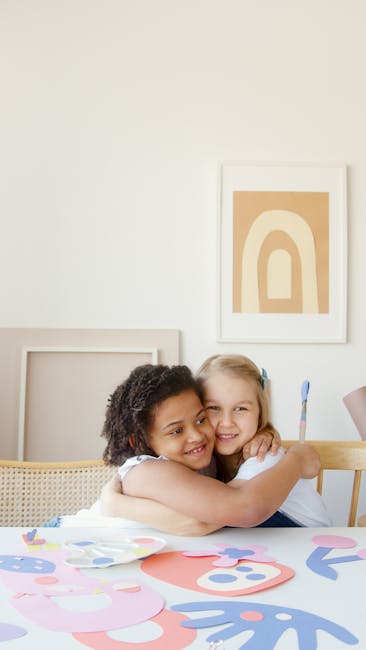
13 Cool Art Ideas & Hacks That Will Unleash Your Inner Artist
Hello, fellow art adventurers! Gather 'round, because today we're diving headfirst into a treasure trove of artistic inspiration. Whether you're a seasoned creator or just dipping your toes into the vast ocean of art, I promise these 13 cool art ideas and hacks will ignite your imagination and help you create masterpieces you never thought possible. Prepare to be amazed, inspired, and maybe just a little bit messy – it's all part of the fun!
These aren't just run-of-the-mill suggestions; they're tried-and-true techniques, quirky experiments, and a healthy dose of creative rebellion. I've personally tested each one, and I'm thrilled to share my discoveries with you. So, grab your brushes, pencils, or whatever medium speaks to your soul, and let's get started!
1. Coffee Painting: Brew Up a Masterpiece
Forget just drinking your coffee; paint with it! Coffee painting offers a unique sepia-toned aesthetic, perfect for landscapes, portraits, or even abstract designs.
a. What you'll need: Instant coffee granules, hot water, watercolor paper, paintbrushes, and a palette.
b. How to do it: Mix varying concentrations of coffee with water to create different shades. The more coffee, the darker the shade. Experiment with layering and blending to achieve a vintage, atmospheric effect. I love using this technique for old maps and whimsical illustrations.
2. Bubble Wrap Prints: Pop Art, Literally!
Don't toss that bubble wrap! This packaging material is a fantastic tool for creating textured prints.
a. What you'll need: Bubble wrap, paint (acrylic or tempera work best), paper or canvas, a brayer or sponge (optional).
b. How to do it: Apply paint to the bubble side of the bubble wrap using a brayer or sponge. Press the painted bubble wrap onto your paper or canvas. Voila! Instant textured art. Try layering different colors and patterns for a more complex design. It's especially effective for creating backgrounds and abstract art.
3. Salt Painting: A Sprinkle of Magic
This is a mesmerizing technique that combines art and a bit of science. Salt painting creates unique, crystallized effects.
a. What you'll need: Thick paper or cardstock, white glue, salt (table salt works fine), liquid watercolors or food coloring, and a paintbrush.
b. How to do it: Draw your design on the paper with glue. Sprinkle salt generously over the glue. Let it dry completely. Gently shake off the excess salt. Now, use a paintbrush to apply liquid watercolors or diluted food coloring to the salt crystals. Watch as the color spreads magically through the salt, creating a vibrant, textured painting. This is a wonderful project for kids and adults alike!
4. Blow Painting Monsters: Embrace the Unexpected
Get ready for some whimsical, monster-filled fun! Blow painting is a wonderfully unpredictable technique that results in delightfully quirky creatures.
a. What you'll need: Paper, liquid watercolors or diluted paint, a straw.
b. How to do it: Drop a blob of paint onto the paper. Use the straw to blow the paint in different directions. The paint will spread, creating unique shapes and lines. Once the paint is dry, use markers or pens to add details like eyes, teeth, and other monstrous features. It's a fantastic way to embrace happy accidents and let your imagination run wild.
5. Pointillism with Cotton Swabs: Dot, Dot, Dot!
Embrace the style of the Impressionists with a modern twist! Using cotton swabs to create pointillist paintings is surprisingly relaxing and produces beautiful results.
a. What you'll need: Paper or canvas, acrylic paints, cotton swabs.
b. How to do it: Dip the cotton swab into the paint and then gently dab it onto the surface. Use different colors and overlap the dots to create depth and dimension. This technique is perfect for landscapes, portraits, and abstract designs. The repetitive motion is incredibly meditative, and the results are stunning.
6. Tape Resist Art: Unveiling Hidden Designs
Tape resist art is a simple yet effective technique for creating clean lines and bold designs.
a. What you'll need: Paper or canvas, painter's tape, paint (acrylic, watercolor, or spray paint), brushes or sponges.
b. How to do it: Apply painter's tape to your surface in any design you like – geometric patterns, words, or abstract shapes. Make sure the tape is firmly adhered to prevent paint from seeping underneath. Paint over the entire surface, including the tape. Let the paint dry completely. Carefully peel off the tape to reveal the hidden design. The contrast between the painted area and the unpainted area creates a striking visual effect.
7. Drip Painting: Let Gravity Do the Work
Channel your inner Jackson Pollock! Drip painting is all about embracing spontaneity and letting gravity guide your artistic process.
a. What you'll need: Canvas or heavy paper, acrylic paint (thinned with water or pouring medium), paintbrushes or squirt bottles.
b. How to do it: Thin your acrylic paint to a fluid consistency. Drip, splatter, and pour the paint onto the canvas. Experiment with different colors and techniques. You can use brushes, squirt bottles, or even just let the paint drip directly from the container. The key is to let go and embrace the chaos. The resulting abstract paintings are full of energy and movement.
8. Splatter Painting with Toothbrushes: A Burst of Color
This is a fun and messy technique that's perfect for creating abstract backgrounds or adding texture to your artwork.
a. What you'll need: Paper or canvas, acrylic paint, an old toothbrush, water.
b. How to do it: Dip the toothbrush into the paint, adding a bit of water if needed to thin it slightly. Hold the toothbrush over the surface and run your finger across the bristles to create a splatter effect. Experiment with different colors and intensities to achieve the desired result. It's a fantastic way to add energy and dynamism to your artwork.
9. Watercolor Washes: Embrace the Flow
Watercolor washes are a fundamental technique for creating luminous backgrounds and subtle color gradations.
a. What you'll need: Watercolor paper, watercolor paints, paintbrushes, water.
b. How to do it: Wet the paper with clean water. Mix your watercolor paint with plenty of water to create a thin, translucent wash. Apply the wash to the paper using a large brush. Let the paint flow and blend naturally. You can layer multiple washes to create depth and complexity. Watercolor washes are perfect for skies, landscapes, and creating a sense of atmosphere.
10. Zentangle: Meditative Doodling
Zentangle is a relaxing and structured form of doodling that can lead to surprisingly intricate and beautiful designs.
a. What you'll need: Paper, a fine-tipped pen (such as a Micron pen).
b. How to do it: Start by drawing a border on your paper. Divide the space within the border into sections or "tangles." Within each tangle, draw repetitive patterns using simple strokes like lines, curves, dots, and circles. There are no rules or mistakes in Zentangle, so just relax and let your creativity flow. The repetitive nature of the process is incredibly meditative, and the resulting designs are both intricate and beautiful.
11. Nature Printing: Capturing the Beauty of the Outdoors
Bring the beauty of nature indoors with nature printing. This technique allows you to create prints using leaves, flowers, and other natural objects.
a. What you'll need: Leaves, flowers, or other natural objects, paint (acrylic or tempera), paper or fabric, a brayer or sponge.
b. How to do it: Apply paint to the surface of the natural object using a brayer or sponge. Press the painted object onto your paper or fabric. Gently peel it away to reveal the print. Experiment with different plants and colors to create a variety of unique prints. This is a wonderful way to connect with nature and create beautiful, organic artwork.
12. DIY Texture Paste: Adding Dimension to Your Art
Create your own texture paste to add depth and dimension to your paintings.
a. What you'll need: Gesso, baby powder or cornstarch, craft glue, a palette knife or spatula.
b. How to do it: Mix equal parts gesso and baby powder (or cornstarch) in a bowl. Add a small amount of craft glue to bind the mixture together. Stir well until you achieve a thick, paste-like consistency. Apply the texture paste to your canvas using a palette knife or spatula. Experiment with different techniques to create various textures. Once the paste is dry, you can paint over it with acrylics or other paints.
13. Black Glue Watercolor: Bold Outlines, Vibrant Colors
This technique combines the boldness of black outlines with the vibrancy of watercolors for a striking visual effect.
a. What you'll need: White glue, black acrylic paint, paper, watercolors, a paintbrush.
b. How to do it: Mix black acrylic paint with white glue until you achieve a smooth, black glue mixture. Use the black glue to draw your design on the paper. Let the glue dry completely. Once the glue is dry, fill in the areas within the black outlines with watercolors. The black outlines will prevent the watercolors from bleeding and create a bold, graphic effect.
So there you have it – 13 cool art ideas and hacks to ignite your creative spirit! Remember, the most important thing is to have fun and experiment. Don't be afraid to try new things, make mistakes, and let your imagination soar. Art is a journey, not a destination. Embrace the process, enjoy the ride, and create something beautiful! Happy creating!
Post a Comment