All the Art Movements that Shaped Our World: A Journey Through Creative Revolutions
All the Art Movements that Shaped Our World: A Journey Through Creative Revolutions
Hello, fellow art enthusiasts! Buckle up, because we're about to embark on a whirlwind tour through the captivating landscape of art history. From the ancient whispers of cave paintings to the digital strokes of contemporary masterpieces, art movements have not only mirrored society but have actively shaped it. Get ready to dive headfirst into the vibrant, sometimes turbulent, and always fascinating world of artistic revolutions. Prepare to be inspired!
The Dawn of Expression: Prehistoric and Ancient Art
Before written language even took hold, humanity was already communicating through visuals. Think about that – the desire to create, to express, to leave a mark, is deeply embedded in our DNA. Let's peek into the very beginnings:
- Prehistoric Art (c. 40,000 BCE – 4,000 BCE): Imagine the flickering firelight illuminating the walls of caves, revealing majestic depictions of bison, horses, and other animals. Cave paintings like those found in Lascaux and Altamira weren't just decorative; they were likely integral to rituals, storytelling, and perhaps even teaching survival skills. They represent humanity's earliest attempts to understand and connect with the world around them.
- Ancient Egyptian Art (c. 3100 BCE – 30 BCE): The Egyptians were masters of symbolism and order. Their art, from the colossal pyramids to the intricate hieroglyphs, was deeply intertwined with their beliefs about the afterlife and the divine. Think of the regal portraits of pharaohs, the vibrant scenes decorating tombs – each detail meticulously planned and executed, designed to ensure a smooth transition to the next world.
- Ancient Greek Art (c. 850 BCE – 31 BCE): Oh, the Greeks! They strived for perfection, both in form and in philosophy. Their sculptures, often depicting idealized human figures, celebrated beauty, balance, and reason. Consider the Parthenon, a testament to architectural harmony, or the lifelike marble statues that captured the essence of human anatomy. Greek art laid the foundation for much of Western aesthetic ideals.
- Ancient Roman Art (c. 500 BCE – 476 CE): The Romans were practical and ambitious. While deeply influenced by the Greeks, their art leaned towards realism and functionality. Think of their impressive architecture – aqueducts, amphitheaters, and public baths – all built to serve the needs of a sprawling empire. Roman portraiture, with its unflinching depictions of emperors and citizens, provides a valuable glimpse into their society.
The Medieval Tapestry: From Faith to Gothic Grandeur
The Middle Ages were a period of profound transformation, deeply influenced by the rise of Christianity. Art served primarily religious purposes, aiming to inspire devotion and illustrate biblical stories.
- Early Christian and Byzantine Art (c. 200 CE – 1453 CE): These styles were characterized by symbolic imagery and rich ornamentation. Think of the mosaics adorning Byzantine churches like Hagia Sophia, glittering with gold and depicting scenes from the Bible. Early Christian art provided solace and hope during a time of persecution, while Byzantine art emphasized the divine power of the emperor and the church.
- Romanesque Art (c. 1000 CE – 1200 CE): This style, characterized by massive structures, rounded arches, and sculptural decoration, reflected the stability and growing wealth of Europe. Think of the imposing churches and monasteries, built to withstand invasions and serve as centers of community life. Romanesque sculpture, often found on doorways and capitals, depicted biblical scenes and moral lessons.
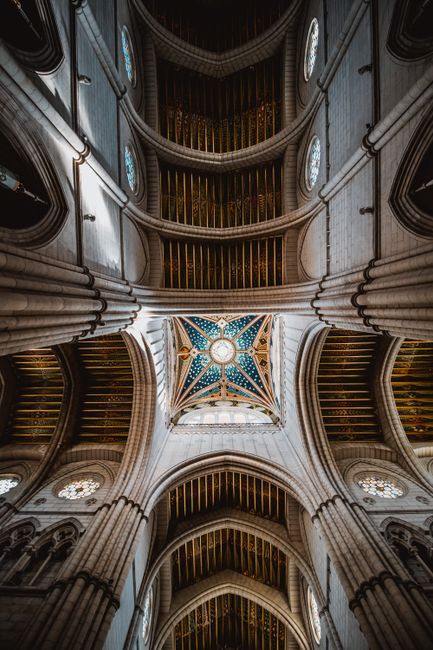
- Gothic Art (c. 1150 CE – 1600 CE): The Gothic style, with its soaring arches, stained glass windows, and intricate details, aimed to evoke a sense of awe and wonder. Think of the magnificent cathedrals like Notre Dame in Paris, their spires reaching towards the heavens. Gothic art celebrated the glory of God and the power of the church, creating a truly transcendent experience for worshippers.
Renaissance: Rebirth and Rediscovery
The Renaissance marked a turning point in art history, a period of renewed interest in classical art and learning. It was a time of unprecedented artistic innovation and a shift towards humanism.
- Early Renaissance (c. 1400 – 1475): Artists like Donatello and Masaccio rediscovered classical techniques and emphasized realism and perspective. Imagine Masaccio's "The Holy Trinity" with its innovative use of linear perspective, creating the illusion of depth on a flat surface. The Early Renaissance was all about laying the groundwork for future masterpieces.
- High Renaissance (c. 1475 – 1527): Leonardo da Vinci, Michelangelo, and Raphael – these are the giants of the High Renaissance. Their works, like the Mona Lisa, the Sistine Chapel ceiling, and the School of Athens, represent the pinnacle of artistic achievement. They mastered anatomy, perspective, and composition, creating works of unparalleled beauty and power.
- Mannerism (c. 1520 – 1600): As the High Renaissance drew to a close, artists began to experiment with exaggerated forms, dramatic colors, and complex compositions. Think of the elongated figures and swirling draperies in the works of El Greco. Mannerism challenged the classical ideals of balance and harmony, paving the way for the Baroque period.
Baroque: Drama and Grandeur
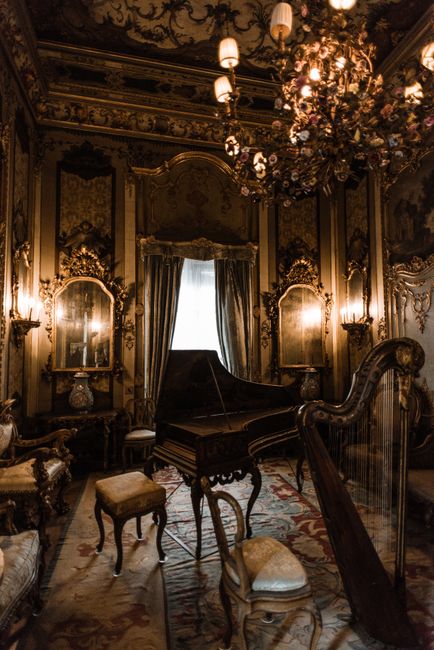
The Baroque period embraced drama, emotion, and extravagance. It was a time of intense religious and political upheaval, reflected in the art of the era.
- Baroque (c. 1600 – 1750): Artists like Caravaggio and Bernini used dramatic lighting, dynamic compositions, and emotional intensity to create powerful works of art. Imagine Caravaggio's "The Conversion of St. Paul" with its stark contrasts of light and shadow, or Bernini's "Ecstasy of Saint Teresa" with its theatrical depiction of religious ecstasy. The Baroque was all about engaging the viewer on an emotional level.
The Age of Reason and Revolution: Rococo to Romanticism

The 18th and 19th centuries saw significant shifts in intellectual and political thought, reflected in the art of the time. From the playful elegance of Rococo to the emotional intensity of Romanticism, artists explored new ways of expressing themselves.
- Rococo (c. 1730 – 1770): Rococo was a lighthearted and decorative style, characterized by pastel colors, asymmetrical compositions, and playful themes. Think of the elegant interiors of French palaces, adorned with delicate furniture, ornate mirrors, and whimsical paintings. Rococo was all about luxury and escapism.
- Neoclassicism (c. 1750 – 1850): As a reaction against the frivolity of Rococo, Neoclassicism looked back to the art of ancient Greece and Rome for inspiration. Artists like Jacques-Louis David emphasized order, reason, and civic virtue. Think of David's "Oath of the Horatii" with its heroic figures and austere setting, reflecting the values of the French Revolution.
- Romanticism (c. 1800 – 1850): Romanticism celebrated emotion, imagination, and the power of nature. Artists like Caspar David Friedrich and Eugène Delacroix explored themes of love, loss, and the sublime. Imagine Friedrich's landscapes with their solitary figures gazing out at vast vistas, or Delacroix's dramatic historical paintings like "Liberty Leading the People." Romanticism was all about feeling.
The Modern Era: Innovation and Experimentation

The 19th and 20th centuries witnessed an explosion of new art movements, fueled by technological advancements, social changes, and a desire to break with tradition. It's where things get really interesting (in my humble opinion!).
- Realism (c. 1840 – 1870): Artists like Gustave Courbet sought to depict everyday life in an honest and unidealized way. Think of Courbet's "The Stone Breakers" with its depiction of backbreaking labor, challenging the romanticized views of rural life. Realism was all about showing the world as it truly was.
- Impressionism (c. 1860 – 1890): Monet, Renoir, Degas – these are the names that come to mind when we think of Impressionism. These artists captured fleeting moments of light and color, using loose brushstrokes and vibrant palettes. Imagine Monet's "Impression, Sunrise" with its hazy depiction of the harbor at Le Havre, or Renoir's lively scenes of Parisian life. Impressionism was all about capturing the impression of a moment.
- Post-Impressionism (c. 1880 – 1905): Artists like Van Gogh, Gauguin, and Cézanne built upon the foundations of Impressionism but explored their own unique styles and themes. Think of Van Gogh's expressive brushstrokes and vibrant colors in "The Starry Night," Gauguin's exotic scenes of Tahiti, or Cézanne's geometric approach to painting. Post-Impressionism paved the way for the more radical movements of the 20th century.
- Fauvism (c. 1905 – 1908): "Wild beasts!" That's what critics called these artists because of their bold use of color and simplified forms. Henri Matisse was a leading figure in this movement. Fauvism was a short-lived but influential movement that celebrated the expressive power of color.
- Expressionism (c. 1905 – 1930): Expressionist artists sought to express their inner emotions through distorted forms, jarring colors, and raw brushstrokes. Think of Edvard Munch's "The Scream" with its iconic depiction of anxiety and alienation. Expressionism was all about subjective experience.
- Cubism (c. 1907 – 1914): Picasso and Braque revolutionized art with their Cubist paintings, which broke down objects into geometric shapes and presented them from multiple perspectives. Imagine Picasso's "Les Demoiselles d'Avignon" with its fragmented figures and unconventional composition. Cubism challenged traditional notions of representation.
- Futurism (c. 1909 – 1920s): This Italian movement celebrated speed, technology, and the dynamism of modern life. Think of Umberto Boccioni's sculptures, which aimed to capture the movement and energy of machines. Futurism was all about embracing the future.
- Dadaism (c. 1916 – 1924): Dada was a reaction against the horrors of World War I, a movement that embraced absurdity, irrationality, and anti-art. Think of Marcel Duchamp's "Fountain," a urinal presented as a work of art. Dada was all about questioning everything.
- Surrealism (c. 1924 – 1950s): Surrealist artists explored the realm of dreams, the unconscious, and the irrational. Think of Salvador Dalí's bizarre and dreamlike landscapes, or René Magritte's thought-provoking paintings that challenge our perceptions of reality. Surrealism was all about tapping into the subconscious.
- Abstract Expressionism (c. 1940s – 1950s): This American movement emphasized spontaneous gestures, large-scale canvases, and non-representational forms. Jackson Pollock's drip paintings are a prime example. Abstract Expressionism was all about freedom of expression.
- Pop Art (c. 1950s – 1960s): Pop Art embraced popular culture, using imagery from advertising, comic books, and mass media. Andy Warhol's iconic portraits of Marilyn Monroe are a perfect example. Pop Art was all about blurring the lines between high art and low culture.
- Minimalism (c. 1960s – 1970s): Minimalism stripped art down to its essential elements, using simple geometric forms and industrial materials. Think of Donald Judd's box-like sculptures, or Sol LeWitt's modular structures. Minimalism was all about reducing art to its purest form.
- Conceptual Art (c. 1960s – Present): Conceptual Art emphasizes the idea behind the artwork rather than its physical form. Sol LeWitt's wall drawings, which can be executed by others following his instructions, are a good example. Conceptual Art was all about the power of the idea.
Contemporary Art: A World of Possibilities
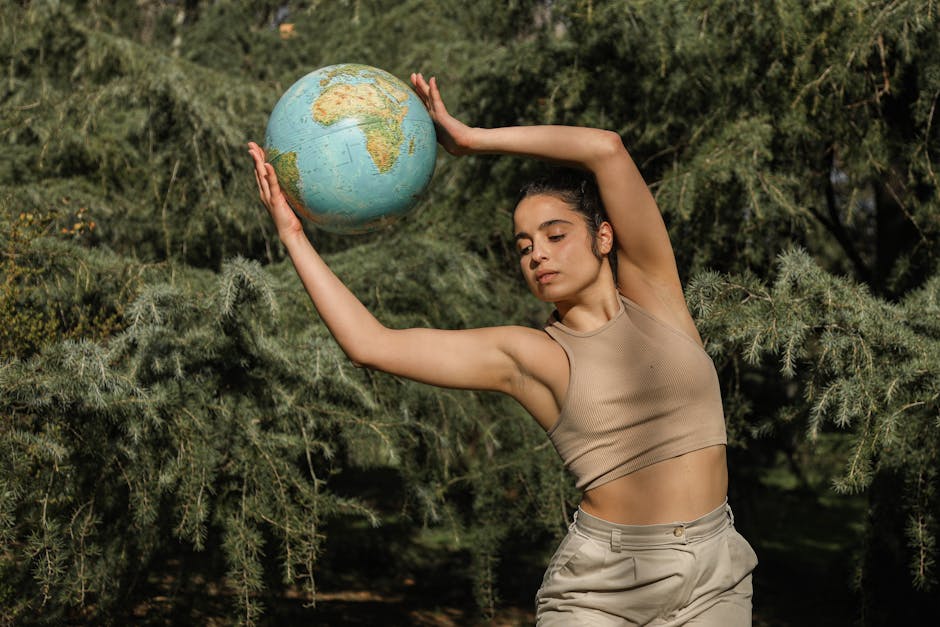
Contemporary art is constantly evolving, reflecting the complexities and challenges of our modern world. It encompasses a wide range of styles, media, and approaches, from performance art to digital art. The possibilities are truly endless, and that's what makes it so exciting!
And there you have it – a whirlwind tour through the major art movements that have shaped our world. Each movement has left its mark, influencing not only art but also architecture, design, fashion, and culture. So, the next time you visit a museum or simply admire a beautiful piece of art, take a moment to appreciate the rich history and the creative revolutions that have brought it into existence. And remember, the most important art movement is the one that inspires you!
Post a Comment