Art vs. Words: What Matters More in Today’s Art World? (& How Artists Can Take Control)

Art vs. Words: What Matters More in Today's Art World? (& How Artists Can Take Control)
Hello, fellow creators and art enthusiasts! Pull up a chair, grab a cup of something warm, and let's dive into a question that's been swirling around my creative mind for ages: In today's vibrant, ever-evolving art world, what truly carries more weight – the visceral power of art itself or the carefully crafted words that surround it? It's a question that dances between aesthetics and narratives, between pure visual experience and intellectual interpretation.
As a creative soul who finds joy in everything from the perfect curve of a typeface to the splash of color on a canvas, I believe there's no easy answer. It's a fascinating interplay, a symbiotic relationship where art and words can either elevate each other or, dare I say, detract from the overall experience.
Let's begin by acknowledging the sheer force of art. A painting, a sculpture, a performance – these are all vessels of emotion, intention, and raw human experience. They communicate in ways that words often fail to capture. Think about the feeling you get when you stand before a Rothko, lost in its immensity, or the visceral reaction to a powerful piece of street art that confronts you with a challenging message. These are moments of direct connection, unmediated by language.
But then, enter the realm of words. Think about the artist statements, the gallery descriptions, the critical reviews that dissect and contextualize art. They provide a framework, a narrative thread that helps viewers understand the artist's intent, the historical context, or the conceptual underpinnings of the work. Words can unlock hidden layers of meaning, invite deeper engagement, and even challenge our initial perceptions.
So, where does this leave us? Is it art vs. words, a constant battle for dominance? Or is it something more nuanced, a dance of collaboration and mutual influence? I lean heavily towards the latter.
The Power of Visual Storytelling
Before we delve deeper into the art-word dynamic, let's celebrate the inherent storytelling power of art itself. Visual storytelling is a universal language, transcending cultural boundaries and linguistic barriers. A compelling image can convey a complex narrative in a single glance, evoking emotions and sparking imagination without uttering a single word.
Think about the power of photography. A single photograph can capture a moment in time, preserving history, revealing social issues, or celebrating the beauty of the natural world. Consider the iconic images of the Civil Rights movement, the haunting photographs of war, or the breathtaking landscapes that inspire awe and wonder. These images speak volumes, telling stories that resonate deeply within us.
Similarly, painting, sculpture, and other art forms can be potent tools for visual storytelling. Artists use composition, color, texture, and form to create narratives that unfold before our eyes. Whether it's the allegorical storytelling of Renaissance art or the abstract expressionism of the mid-20th century, art has always been a powerful medium for conveying ideas, emotions, and experiences.
The Symbiotic Relationship: When Art and Words Collide

The beauty of this debate lies in recognizing that art and words are not mutually exclusive. When they work in harmony, they can create a truly powerful and enriching experience for the viewer.
1. Contextualization and Understanding: Words provide context. An artist statement can illuminate the artist's process, their motivations, and the underlying themes of their work. Gallery descriptions can place the art within a broader historical or cultural context. Critical reviews can offer different perspectives and challenge our assumptions. This contextualization can enhance our understanding and appreciation of the art.
2. Adding Layers of Meaning: Words can add layers of meaning that might not be immediately apparent in the art itself. A carefully chosen title can hint at the artist's intent, a poem can complement the visual imagery, or a philosophical essay can explore the deeper implications of the work. These additions can enrich the experience and invite further contemplation.
3. Amplifying the Message: When art is used to address social or political issues, words can be crucial in amplifying the message. Think about protest art, political cartoons, or activist art. The visual impact of the artwork is often enhanced by accompanying slogans, statements, or calls to action. Words can clarify the message, mobilize support, and inspire change.
However, it's also important to acknowledge the potential pitfalls. Too much explanation can sometimes kill the magic. Overly verbose or pretentious art jargon can alienate viewers and detract from the direct experience of the art. The best approach is often a delicate balance – providing enough information to enhance understanding without overwhelming the viewer or dictating their interpretation.
Taking Control: How Artists Can Shape the Narrative
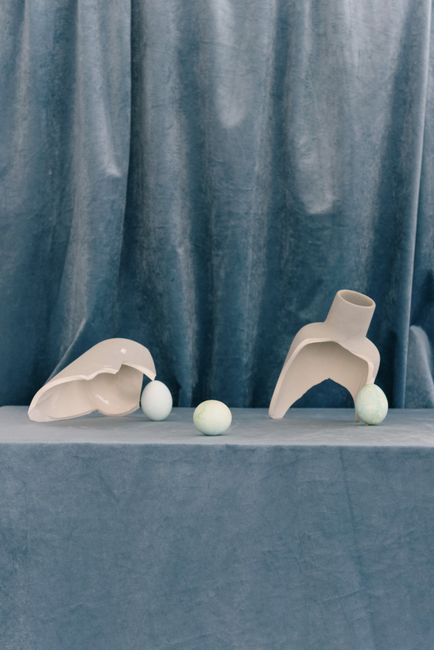
So, how can artists navigate this complex relationship between art and words? How can they take control of the narrative surrounding their work and ensure that it resonates with their intended audience? Here are a few strategies:
a. Crafting a Compelling Artist Statement: Your artist statement is your opportunity to speak directly to your audience. It should be clear, concise, and authentic. Share your motivations, your process, and the underlying themes of your work. Avoid jargon and pretentious language. Instead, focus on communicating your vision in a way that is accessible and engaging.
b. Utilizing Social Media: Social media platforms offer a powerful tool for artists to connect with their audience, share their work, and shape the narrative around it. Use Instagram to showcase your work, share behind-the-scenes glimpses of your creative process, and engage in conversations with your followers. Write thoughtful captions that provide context and invite interaction. Use Twitter to share your thoughts on art and culture, engage in discussions, and connect with other artists and art professionals.
c. Building a Strong Online Presence: A professional website is essential for any artist who wants to be taken seriously. Your website should showcase your best work, provide information about your background and experience, and include an artist statement. Make sure your website is easy to navigate, visually appealing, and optimized for search engines. Consider adding a blog where you can share your thoughts on art, your creative process, and your inspirations.
d. Collaborating with Writers and Critics: Seek out opportunities to collaborate with writers and art critics who appreciate your work and can articulate its value to a wider audience. Invite them to visit your studio, discuss your ideas, and write about your art. A positive review or a well-written article can significantly boost your visibility and credibility.
e. Embrace Visual Storytelling in Your Art: Be mindful of the stories your art is telling. Consider the composition, the colors, the symbols, and the overall message you want to convey. Strive to create art that is not only visually appealing but also emotionally resonant and intellectually stimulating.
f. Think About the Title: A well-chosen title can be a powerful tool for shaping the viewer's interpretation of your work. Choose a title that is evocative, intriguing, and relevant to the themes and ideas you are exploring. Avoid generic or overly descriptive titles. Instead, aim for something that sparks curiosity and invites further exploration.
The Future of Art and Words: Embracing New Technologies

As we look towards the future, the relationship between art and words will likely continue to evolve, influenced by new technologies and changing cultural landscapes. Emerging technologies like augmented reality (AR) and virtual reality (VR) offer exciting possibilities for creating immersive and interactive art experiences that blend visual and textual elements seamlessly.
Imagine an AR app that allows viewers to overlay text, images, and animations onto a physical painting, revealing hidden layers of meaning and providing deeper insights into the artist's process. Or consider a VR experience that transports viewers into a virtual world where they can interact with sculptures and installations, read accompanying texts, and engage in discussions with other viewers.
These technologies have the potential to revolutionize the way we experience art, blurring the lines between the visual and the textual, and creating new opportunities for artists to engage with their audience in meaningful ways.
Ultimately, it's about Authenticity and Connection
In the end, the question of whether art or words matters more is less important than the question of authenticity and connection. Art that is born from a genuine place, that speaks to the human condition, and that invites connection will always resonate, regardless of the words that surround it.
And words that are used to illuminate, to enhance, and to amplify the message of the art, rather than to obfuscate or overwhelm, will always be valuable. The key is to find the right balance, to embrace the power of both art and words, and to use them in a way that is true to your vision and connects with your audience on a deeper level.
So, let's celebrate the power of visual storytelling, the beauty of language, and the magic that happens when art and words come together in harmony. Let's encourage artists to take control of their narrative, to shape the conversation around their work, and to create art that is not only visually stunning but also deeply meaningful.
Keep creating, keep exploring, and keep pushing the boundaries of what's possible. The world needs your art, your voice, and your unique perspective. Now, go forth and make something beautiful!
Post a Comment