Contemporary Art: Cult or Culture? My Quirky Take on the Art World

Contemporary Art: Cult or Culture? My Quirky Take on the Art World
Okay, let's get this straight. I adore art. I live and breathe it. From the dusty corners of forgotten museums to the bleeding-edge installations that make you question reality, I'm there. But sometimes… sometimes I squint at the contemporary art world and whisper, "Is this… a cult?" Don't get me wrong; I'm not saying it's all bad, or that artists aren't genuinely brilliant. However, the way certain works are elevated, the language used to describe them, and the often-inaccessible nature of it all... well, it raises an eyebrow or two (or maybe three, depending on how much coffee I've had).
Let's unpack this, shall we? I promise to keep it light, insightful, and, hopefully, a little bit amusing. Because, honestly, art shouldn't be a chore. It should be a dance between the artist, the artwork, and the viewer.
The Secret Language of Contemporary Art
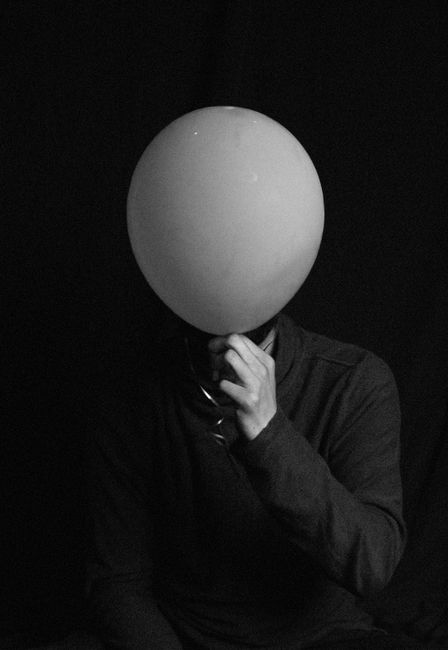
Ever stood in front of a piece of art, read the description, and felt more confused than enlightened? Yeah, me too. Contemporary art descriptions often employ a vocabulary that seems designed to intimidate rather than illuminate. We're talking about "deconstruction," "liminal spaces," "performative gestures," and enough theoretical jargon to make your head spin. It's like a secret handshake, a password to enter the inner circle. And if you don't speak the language? Well, you're left standing outside, feeling like you're missing something vital.
It's important to remember that art is, at its core, about communication. While complex ideas are welcome, shrouding them in impenetrable language creates a barrier. It suggests that understanding the art requires specialized knowledge, which immediately alienates a large portion of the potential audience. And isn't art supposed to be for everyone?
Think of it this way: imagine trying to explain the joy of a sunset using only quantum physics equations. Technically accurate? Maybe. Evocative and engaging? Absolutely not.
The Emperor's New Clothes (But Make It Art)

Remember the story of the Emperor's New Clothes? Two weavers trick the Emperor into believing they're making him a magnificent suit that's invisible to anyone stupid or incompetent. Of course, the suit doesn't exist, but no one wants to admit they can't see it. Sometimes, contemporary art feels like that. There's a pressure to "get it," to appreciate the "genius," even when you're staring at a blank canvas or a pile of bricks. No judgment if you genuinely do get it, of course! But pretending for the sake of fitting in? That's where things get a little…cultish.
This isn't to say that all conceptual art is bogus. Far from it. But the fear of appearing uncultured can lead to a sort of mass delusion, where people praise works they secretly don't understand or even like. The emperor is walking around naked, and everyone is clapping politely.
Exclusivity and the Echo Chamber
The contemporary art world can sometimes feel incredibly exclusive. Think of high-end galleries with hushed tones, private viewings, and price tags that could buy you a small island. This exclusivity isn't just about money; it's about access to information, networks, and validation from the "right" people. It creates an echo chamber where certain artists and ideas are amplified, while others are marginalized.
This can lead to a lack of diversity in the art world, both in terms of the artists who are represented and the perspectives that are valued. When the same voices are constantly amplified, it stifles creativity and innovation. It reinforces the idea that art is only for a select few, rather than a vibrant expression of human experience.
Imagine a garden where only one type of flower is allowed to grow. Pretty for a moment, perhaps, but ultimately monotonous and lacking the rich beauty of a diverse ecosystem.
The Price is… What Now?

Let's talk about money. The prices commanded by some contemporary artworks are mind-boggling. We're talking millions, even billions, for pieces that, to the uninitiated, might look like something your toddler created with finger paints. This astronomical value is often driven by speculation, reputation, and the perceived investment potential of the artwork. It can feel detached from the actual artistic merit or emotional impact of the piece.
While artists deserve to be compensated for their work, the extreme inflation of prices can create a distorted view of art. It can make it seem like art is only valuable if it's expensive, which devalues the work of countless artists who are creating meaningful art on a more modest scale. It also raises questions about the ethics of art as an investment vehicle, rather than a source of cultural enrichment.
Think of it as collecting rare stamps. The value comes from rarity and demand, not necessarily the inherent beauty or historical significance of the stamp itself. While some may find joy in stamp collecting, it's a different kind of appreciation than, say, being moved by a powerful photograph.
Breaking Free: Reclaiming Your Artistic Voice
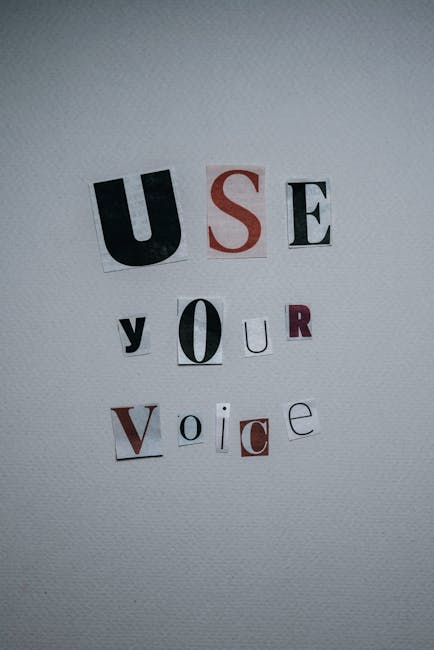
So, what's a creative soul to do? How do we navigate this complex and sometimes bewildering world of contemporary art? Here are a few thoughts:
a. Trust Your Own Intuition: Don't let anyone tell you what you should like or dislike. Art is subjective. If a piece resonates with you, that's all that matters. If it doesn't, that's perfectly fine too. Don't be afraid to say, "I don't get it," or even, "I don't like it."
b. Educate Yourself, But Don't Be Intimidated: Read about art history, learn about different movements, but don't feel pressured to memorize every term or theorist. Knowledge can enhance your appreciation, but it shouldn't be a barrier to entry.
c. Seek Out Diverse Voices: Explore art from different cultures, backgrounds, and perspectives. Break free from the echo chamber and discover the incredible variety of artistic expression that exists in the world.
d. Support Emerging Artists: Go to local art shows, visit artist studios, and support the creators in your community. You might discover the next big thing, and you'll be helping to foster a more vibrant and inclusive art scene.
e. Create Your Own Art: Whether you're a painter, a writer, a musician, or a dancer, embrace your own creativity. Art isn't just about consuming; it's about expressing yourself and connecting with others.
f. Question Everything: Don't be afraid to challenge the status quo, to ask difficult questions, and to form your own opinions. The art world needs critical thinkers, not blind followers.
Art as a Journey, Not a Destination

Ultimately, art should be a journey, not a destination. It's about exploring new ideas, challenging your perceptions, and connecting with the world around you in a meaningful way. It's about finding beauty in the unexpected, and expressing your own unique vision.
The "cult" aspects of the contemporary art world, the jargon, the exclusivity, the inflated prices, can be frustrating and alienating. But they don't have to define your experience of art. By trusting your own intuition, seeking out diverse voices, and embracing your own creativity, you can break free from the echo chamber and discover the true joy of art.
So, is contemporary art a cult? Maybe in some ways. But it's also a vibrant, evolving, and endlessly fascinating field. Let's navigate it with open minds, critical eyes, and a healthy dose of curiosity. And, most importantly, let's remember that art is for everyone.
Now, if you'll excuse me, I'm off to create something beautiful (or at least interesting). Maybe it will end up in a gallery. Maybe it will end up on my fridge. Either way, I'll be having fun.
Post a Comment