Modern Art & The Abyss: A Whimsical Dance on the Edge of Civilization
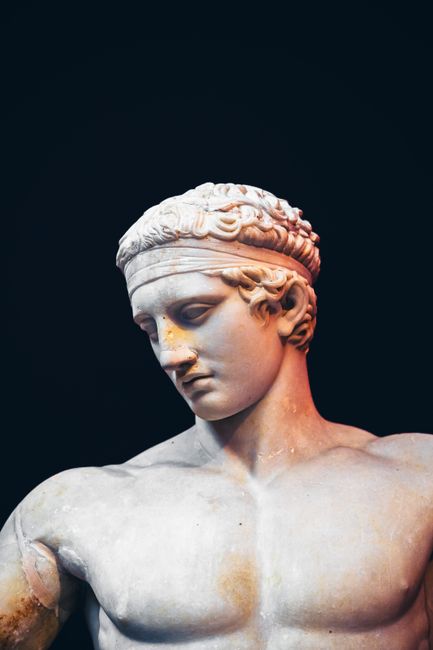
Modern Art & The Abyss: A Whimsical Dance on the Edge of Civilization
Hello, fellow art lovers! Let's embark on a journey, a slightly audacious one, into the sometimes-treacherous terrain where modern art and the supposed "decline of civilization" meet. Hold on tight, because this isn't going to be a doom-and-gloom rant. Instead, think of it as a spirited conversation, fueled by curiosity, a splash of whimsy, and a whole lot of love for the beautifully strange world of modern art.
The phrase "decline of civilization" is a loaded one, isn't it? It conjures images of societal collapse, moral decay, and a general slide into chaos. And for some, modern art – with its abstract forms, challenging concepts, and sometimes outright refusal to conform – is seen as a symptom, or even a cause, of this supposed downfall. But is that really fair? Is it even accurate? I, for one, think it's a gross oversimplification, a misunderstanding of the role art plays in reflecting and shaping our world.
Art as a Mirror, Not a Wrecking Ball
Let's start with the fundamental truth that art, in all its forms, is a reflection of its time. It's a mirror held up to society, reflecting our hopes, fears, anxieties, and triumphs. To blame the mirror for the wrinkles and blemishes it reveals is, well, a bit silly, wouldn't you agree?
Think about it. The Renaissance, with its focus on humanism and classical ideals, arose from a renewed interest in ancient Greek and Roman culture. The Romantic era, with its emphasis on emotion and individualism, was a reaction against the Enlightenment's rigid rationalism. Each artistic movement, in its own way, responded to the social, political, and intellectual currents of its day.
So, when we look at modern art – from the jarring dissonance of Expressionism to the fragmented realities of Cubism to the utter absurdity of Dada – we're not necessarily witnessing the collapse of civilization, but rather a reflection of the anxieties and uncertainties of a rapidly changing world.
Understanding Modern Art's Rebellion
The late 19th and early 20th centuries were periods of immense upheaval. Industrialization transformed society, scientific discoveries challenged long-held beliefs, and world wars shattered the illusion of progress. Traditional artistic conventions, which had served for centuries, suddenly seemed inadequate to capture the complexity and chaos of the modern experience.
This led to a rebellion against those conventions, a breaking down of traditional forms and techniques. Artists like Picasso, Duchamp, and Kandinsky sought new ways to express the inner turmoil and external realities of their time. They experimented with abstraction, distortion, and unconventional materials, pushing the boundaries of what art could be.
This rebellion wasn't about deliberately trying to destroy civilization; it was about finding new ways to express a world that felt increasingly fragmented and uncertain. It was about challenging the status quo and questioning the established order. It was, in essence, a search for meaning in a world that often seemed meaningless.
The Evolution of Modern Artistic Expression
To truly grasp the narrative, one must understand the evolutionary steps of this paradigm shift, let's break it down a bit:
a. Impressionism: A soft departure from realism, emphasizing light and subjective perception, challenging the Academy's strict standards. Think Monet's fleeting water lilies.
b. Post-Impressionism: Artists like Van Gogh and Gauguin intensified emotional expression and experimented with vibrant colors, paving the way for further abstraction.
c. Fauvism: Matisse and his contemporaries unleashed wild, non-naturalistic colors, shocking viewers and signaling a radical break from traditional representation.
d. Expressionism: Artists delved into the depths of the human psyche, expressing raw emotions through distorted forms and jarring colors. Munch's "The Scream" perfectly exemplifies this angst.
e. Cubism: Picasso and Braque deconstructed objects into geometric forms, challenging traditional perspective and representation, forever changing how we see the world.
f. Dadaism: Born from the horrors of World War I, Dada embraced absurdity and anti-rationality, rejecting all traditional values and artistic conventions. Duchamp's "Fountain" questioned the very definition of art.
g. Surrealism: Exploring the subconscious mind, Surrealist artists like Dalí and Magritte created dreamlike and often unsettling images, challenging the boundaries of reality.
The Misunderstood Language of Abstraction
One of the biggest stumbling blocks for many when it comes to modern art is abstraction. People often ask, "What does it mean?" or "My kid could do that!" And while I understand the frustration, I also believe it's based on a misunderstanding of what abstract art is trying to achieve.
Abstract art isn't necessarily about representing something specific in the real world. It's about exploring form, color, line, and texture for their own sake. It's about creating a visual experience that engages the viewer on an emotional and intuitive level, rather than a purely intellectual one.
Think of it like music. You don't listen to a symphony and ask, "What is this supposed to represent?" You allow the music to wash over you, to evoke emotions and create a mood. Abstract art works in a similar way. It's about feeling, not just seeing.
Modern Art as a Catalyst for Change
Far from being a sign of decline, modern art has often been a catalyst for positive change. It has challenged social norms, questioned authority, and pushed the boundaries of what's possible. It has given voice to marginalized communities and sparked important conversations about identity, equality, and justice.
Think about the art of the Harlem Renaissance, which celebrated Black culture and challenged racial stereotypes. Or the feminist art movement of the 1970s, which addressed issues of gender inequality and female representation. Or the LGBTQ+ art that has emerged in recent decades, giving voice to a community that has historically been silenced.
These are just a few examples of how modern art has been used as a tool for social and political change. It's a powerful reminder that art can be more than just aesthetically pleasing; it can be a force for good in the world.
The Enduring Power of Creativity
Ultimately, the question of whether modern art contributes to the "decline of civilization" is a matter of perspective. If you believe that civilization is defined by adherence to tradition and conformity to established norms, then perhaps you will see modern art as a threat.
But if you believe that civilization is defined by creativity, innovation, and the willingness to challenge the status quo, then you will see modern art as a vital and necessary force.
I, for one, choose to believe the latter. I believe that art, in all its forms, is essential to the human experience. It allows us to explore our inner selves, to connect with others, and to make sense of the world around us. It inspires us, challenges us, and reminds us that we are capable of great beauty and great complexity.
Embracing the Uncomfortable
Modern art isn't always easy to understand or appreciate. It can be challenging, provocative, and even unsettling. But it is precisely this willingness to push boundaries and challenge assumptions that makes it so valuable.
So, the next time you find yourself confronted with a piece of modern art that you don't understand, don't dismiss it out of hand. Take a moment to consider what the artist might be trying to say. Ask yourself what emotions it evokes in you. And remember that art, like life, is a journey of discovery.
Finding Meaning in the Abstract
Let's consider some practical tips for appreciating and finding meaning in abstract art:
1. Forget Representation: Release the expectation that the art must depict something recognizable.
2. Focus on Elements: Pay attention to color, line, texture, shape, and composition. How do these elements interact?
3. Emotional Response: How does the artwork make you feel? There are no right or wrong answers. Trust your intuition.
4. Context is Key: Research the artist, the period in which they worked, and the artistic movement they belonged to. Understanding the context can provide valuable insights.
5. Engage Actively: Spend time with the artwork. View it from different angles and distances. Allow yourself to be absorbed by it.
6. Personal Connection: Look for personal connections. Does the artwork remind you of a specific place, person, or experience?
A Celebration of Human Spirit
Ultimately, I see modern art not as a sign of decline, but as a testament to the enduring power of the human spirit. It's a reminder that we are capable of questioning, innovating, and creating beauty, even in the face of chaos and uncertainty. It's a celebration of our ability to find meaning in the abstract, to connect with one another on a deeper level, and to create a world that is more vibrant, more diverse, and more just.
So, let's embrace the strange, the challenging, and the unconventional. Let's open our minds and our hearts to the possibilities of modern art. And let's continue to explore the ever-evolving relationship between art and the world we live in.
The Future of Art: A Brave New Canvas
As we move further into the 21st century, the landscape of art continues to evolve at an astonishing pace. New technologies, new social movements, and new global challenges are shaping the art of today and tomorrow. From digital art and virtual reality installations to performance art and socially engaged practices, the possibilities are endless.
And as art evolves, so too will our understanding of its role in society. But one thing remains constant: the power of art to inspire, to challenge, and to connect us to something larger than ourselves. So, let's continue to support artists, to engage with their work, and to celebrate the transformative power of creativity.
Let's keep the conversation going! What are your thoughts on modern art? Does it inspire you? Challenge you? I'd love to hear your perspectives. Leave a comment below and let's explore this fascinating topic together. After all, the best art experiences are shared experiences. Until next time, keep creating, keep exploring, and keep embracing the beautifully strange world of art!
Post a Comment