Modern Art: A Celebration of Imagination or a Descent into the Diabolical?
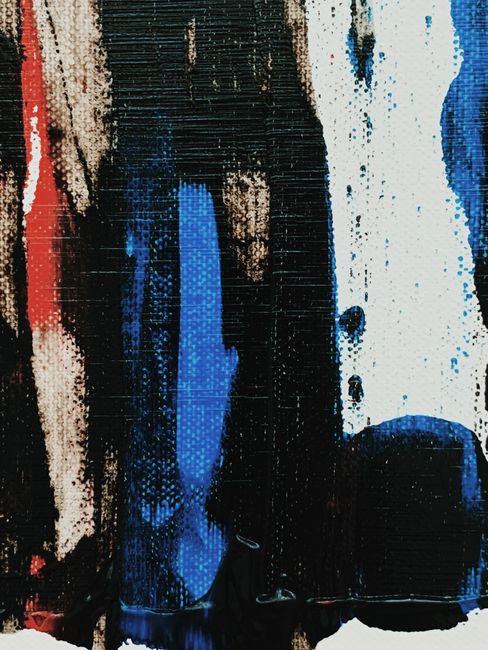
Modern Art: A Celebration of Imagination or a Descent into the Diabolical?
Ah, modern art! A phrase that can elicit gasps of adoration or groans of despair. As a creative soul who revels in the magic of visual storytelling, I find myself perpetually drawn to its enigmatic allure, even when I'm scratching my head in bewilderment. Is it genuinely groundbreaking and profound, or a pretentious charade masquerading as intellect? The debate rages on, and perhaps, that's precisely the point.
Let's dive into this wonderfully chaotic world, shall we? Instead of simply declaring modern art "diabolical" (a bit harsh, don't you think?), let's unravel the threads of controversy, explore its evolution, and, ultimately, decide if it deserves our scorn or our appreciation. Grab your metaphorical beret, and let's embark on this artistic adventure!
Defining the Elusive: What is Modern Art, Anyway?
Before we start slinging opinions, let's define our terms. What exactly are we talking about when we say "modern art?" Unlike, say, Renaissance art, with its clear stylistic conventions and historical context, modern art is a more nebulous beast. Generally, it encompasses artistic production from the late 19th century (around the 1860s) to the late 20th century (around the 1970s). It's a period marked by radical experimentation, a rejection of traditional academic styles, and a relentless pursuit of new forms of expression.
Think Impressionism, with its fleeting impressions of light and color. Consider Cubism, which fragmented reality into geometric shapes. Remember Surrealism, with its dreamlike imagery and exploration of the subconscious. These movements, and countless others, all fall under the umbrella of modern art.
The key characteristic? A break from the past. Artists were no longer content to simply replicate reality. They sought to interpret it, to question it, to reinvent it entirely. This spirit of innovation is both the strength and, arguably, the downfall of modern art, depending on your perspective.
The "Diabolical" Argument: Why the Hate?
So, why the accusation of being "diabolical?" What is it about modern art that provokes such strong negative reactions? Let's examine some common criticisms:
1. Lack of Skill: "My kid could do that!" This is perhaps the most frequent refrain. Critics argue that much of modern art requires little to no technical skill. A splattered canvas, a pile of bricks, a blank white square – where's the artistry, they ask?
2. Meaninglessness: "It doesn't mean anything!" Another common complaint is that modern art is devoid of meaning, or that the meaning is so obscure as to be inaccessible to the average viewer. It's seen as pretentious intellectualism designed to exclude rather than engage.
3. Commercialism: "It's all about the money!" The art market can be a strange and often bewildering place. Critics argue that modern art is often driven by commercial interests, with prices inflated by hype and speculation rather than genuine artistic merit. This leads to cynicism and a perception of art as a commodity rather than a form of expression.
4. Destruction of Tradition: "It's disrespectful to the masters!" Some argue that modern art deliberately rejects and undermines the traditions of the past, abandoning centuries of artistic skill and knowledge in favor of novelty and shock value. This is seen as a betrayal of the artistic heritage and a descent into chaos.
5. Ugliness: Let's be honest, some modern art is just plain ugly. A jarring clash of colors, a distorted figure, a disturbing image – it can be visually unpleasant and emotionally unsettling. While beauty is subjective, there's a perception that some modern art deliberately embraces the grotesque and the repulsive.
These are all valid points. I, myself, have stood before a minimalist sculpture scratching my head, wondering if I was missing some profound insight or if I was simply being hoodwinked. However, to dismiss all modern art as "diabolical" based solely on these criticisms would be a grave injustice.
The Defense: Why Modern Art Matters
Now, let's flip the coin and explore the arguments in favor of modern art. Why should we embrace it, even when it challenges our sensibilities?
1. Experimentation and Innovation: Modern art is, at its core, about pushing boundaries. It's about exploring new materials, new techniques, and new ways of seeing the world. Without this spirit of experimentation, art would stagnate and become predictable.
2. Reflection of Society: Modern art often reflects the anxieties, hopes, and contradictions of the society in which it is created. It can be a powerful tool for social commentary, challenging established norms and provoking critical thinking. Think of Picasso's Guernica, a visceral response to the horrors of war.
3. Expression of Inner Worlds: Modern art provides artists with the freedom to express their innermost thoughts, feelings, and experiences. It's a way of communicating the intangible and the ineffable, allowing us to connect with the artist on a deeper, more emotional level.
4. Challenging Conventions: Modern art challenges our preconceived notions of what art should be. It forces us to question our assumptions and to consider alternative perspectives. This can be uncomfortable, but it can also be incredibly liberating.
5. Aesthetic Exploration: Even when it's not explicitly representational, modern art can be a powerful source of aesthetic pleasure. The use of color, form, texture, and composition can create a visually stimulating and emotionally resonant experience, even if we can't articulate exactly why we find it appealing.
Beyond the "Good" vs. "Bad" Dichotomy
Perhaps the biggest mistake we make when evaluating modern art is trying to categorize it as simply "good" or "bad." Art is not a binary equation; it's a spectrum of expression, a conversation between the artist, the work, and the viewer.
Instead of asking "Is this good art?" we should be asking:
a. "What is the artist trying to communicate?" b. "What techniques and materials are being used?" c. "How does this work make me feel?" d. "What does this work tell me about the world?"
By shifting our focus from judgment to inquiry, we can open ourselves up to a richer and more rewarding experience of modern art.
Embracing the Chaos: Finding Your Own Meaning
Ultimately, the meaning of modern art is subjective and personal. What resonates with one person may leave another cold. And that's perfectly okay! The beauty of art lies in its ability to spark different interpretations and evoke different emotions.
Don't be afraid to engage with modern art on your own terms. Don't feel pressured to "get it" immediately. Take your time, observe carefully, and let the work speak to you. Sometimes, the most profound insights come from allowing yourself to be confused, challenged, and even slightly annoyed.
Practical Tips for Navigating the Modern Art World
Feeling a little less intimidated? Excellent! Here are a few practical tips to help you navigate the sometimes-turbulent waters of modern art:
1. Do Your Research: Before visiting a museum or gallery, familiarize yourself with the artists and movements on display. Knowing a little about the historical context and artistic intentions can enhance your understanding and appreciation.
2. Read the Labels: Don't be afraid to read the explanatory labels provided by the museum or gallery. These labels often offer valuable insights into the artist's process, the meaning of the work, and its place within the broader art historical context.
3. Take Your Time: Don't rush through the exhibit. Take your time to observe each work carefully, paying attention to details such as color, form, texture, and composition.
4. Trust Your Instincts: Don't feel pressured to like everything you see. Trust your own instincts and focus on the works that resonate with you personally.
5. Engage in Dialogue: Talk to your friends, family, or fellow art enthusiasts about your experience. Sharing your thoughts and interpretations can deepen your understanding and appreciation of modern art.
Modern Art: Diabolical? No. Divisive? Absolutely.
So, is modern art "diabolical?" I don't think so. Challenging? Yes. Confusing? Often. Provocative? Undoubtedly. But ultimately, modern art is a reflection of our ever-evolving world, a testament to the power of human creativity, and a vital part of our cultural heritage.
Instead of dismissing it as meaningless or pretentious, let's embrace its complexity, its contradictions, and its inherent capacity to challenge our perceptions and expand our understanding of the world around us. Let's celebrate the artists who dare to push boundaries and explore new frontiers of expression. Let's find our own meaning within the chaos.
After all, isn't that what art is all about? Now, if you'll excuse me, I'm off to create something wonderfully, perhaps even diabolically, unconventional!
Post a Comment