What Your Art Style Says About You: A Colorful Journey into Self-Expression

What Your Art Style Says About You: A Colorful Journey into Self-Expression
Hello fellow art enthusiasts! Ever stopped and wondered what your unique artistic fingerprint – that distinct style you pour onto every canvas, page, or screen – really says about you? It's far more than just a preference for certain colors or techniques. Your art style is a vibrant reflection of your personality, your experiences, your deepest thoughts, and even your hidden desires. Let's embark on a whimsical exploration of the fascinating connection between art and self.
Think of your art style as your visual voice. Just as your spoken words carry a certain tone and cadence unique to you, your art conveys your perspective in a language of shapes, colors, textures, and compositions. It's a dialogue between your inner world and the outer world, made tangible for all to see (and hopefully, appreciate!).
The Art of Decoding Your Style
Before we dive into specific styles, let's consider the general elements that contribute to the overall message of your artwork. Ask yourself these questions as you observe your own work – or even the work of artists you admire.
- Color Palette: Are you drawn to vibrant, saturated hues, or do you prefer a muted, more subdued palette? Bright colors often signify optimism, energy, and a zest for life, while softer tones might indicate a reflective, introspective nature. Darker colors can express depth, mystery, or even melancholy.
- Line Work: Do you favor bold, decisive lines, or delicate, flowing ones? Strong lines suggest confidence and clarity, while softer lines might represent a gentler, more nuanced approach to life. Jagged lines can communicate tension or excitement, while smooth curves evoke a sense of calm and harmony.
- Subject Matter: What do you choose to depict? Landscapes? Portraits? Abstract forms? The subjects you gravitate towards reveal your interests, passions, and what you find meaningful in the world. A love for nature might lead to landscape paintings, while a fascination with people could result in countless portraits.
- Composition: How do you arrange the elements within your artwork? Do you prefer symmetrical, balanced compositions, or dynamic, asymmetrical ones? Balanced compositions can suggest stability and order, while asymmetrical compositions can convey energy and movement.
- Medium: Do you prefer the tactile experience of painting with oils, the precision of digital art, or the immediacy of sketching with charcoal? The medium you choose can influence the overall feel of your artwork. Oil paints lend themselves to rich, textured surfaces, while digital art allows for precise control and vibrant colors.
Exploring Different Art Styles and Their Meanings
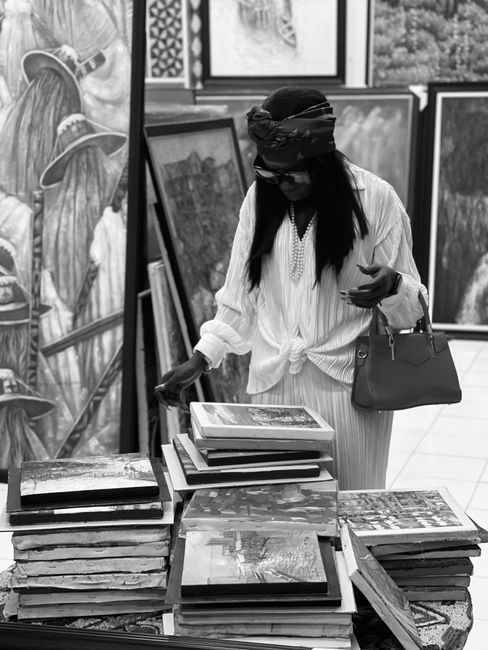
Now, let's delve into some specific art styles and what they might suggest about the artist. Remember, these are just general observations, and every artist is unique. Don't feel constrained by these interpretations – let your style be a fluid and evolving expression of yourself.
A. Realism: The Truth Seeker
Realism aims to depict subjects as accurately as possible, often with meticulous detail. If you're drawn to realism, you might be a keen observer of the world, with a deep appreciation for detail and accuracy. You value truth and honesty in your art, and you strive to capture the essence of your subject matter without embellishment. You might be a patient and disciplined individual, with a strong work ethic and a commitment to mastering your craft.
B. Impressionism: The Light Chaser
Impressionism focuses on capturing fleeting moments and the effects of light and color. If you're an impressionist, you might be a romantic and sensitive soul, with a deep appreciation for beauty and the ephemeral nature of life. You're drawn to the beauty of the everyday, and you strive to capture the feeling of a particular moment in time. You might be an intuitive artist, trusting your instincts and allowing your emotions to guide your brushstrokes.
C. Expressionism: The Emotional Outpourer
Expressionism seeks to convey emotions and inner experiences, often through distorted forms and exaggerated colors. If you're an expressionist, you might be a passionate and intense individual, with a strong need to express your emotions. You're not afraid to be vulnerable and authentic in your art, and you use your work to process your feelings and make sense of the world. You might be a deeply empathetic person, with a strong connection to your own emotions and the emotions of others.
D. Surrealism: The Dream Weaver
Surrealism explores the realm of dreams and the subconscious mind, often with bizarre and illogical imagery. If you're a surrealist, you might be a curious and imaginative individual, with a fascination for the unknown. You're drawn to the mysteries of the human mind, and you use your art to explore your own subconscious thoughts and desires. You might be a playful and whimsical person, with a good sense of humor and a love for the absurd.
E. Abstract Art: The Essence Distiller
Abstract art focuses on non-representational forms and colors, often with no recognizable subject matter. If you're an abstract artist, you might be a free-thinking and independent individual, with a strong sense of self. You're not afraid to experiment and break the rules, and you use your art to explore pure form and color. You might be a contemplative person, with a deep appreciation for simplicity and the power of suggestion.
F. Minimalism: The Less-Is-More Advocate
Minimalism, whether in art or design, embraces simplicity and essential forms. If minimalism resonates with you, you may value clarity, functionality, and a sense of calm. Your approach to art and life could be marked by thoughtful curation and the elimination of unnecessary distractions, revealing an eye for what truly matters.
G. Pop Art: The Culture Commentator
Pop Art draws inspiration from popular culture and mass media, often using bold colors and repetitive imagery. If you are drawn to Pop Art, you're likely an engaging observer of society with a critical eye. Your art may reflect the trends, icons, and materials that shape our world, challenging conventional norms and provoking thought through familiar imagery.
H. Digital Art: The Tech-Savvy Creator
Digital Art spans across multiple styles, from photobashing to pixel art. If you're a digital artist, you likely embrace technology and innovation. Your approach involves seamless integration of tools and techniques. Whether you use a tablet or code, your creative process is continuously evolving.
I. Street Art/Graffiti: The Urban Storyteller
Street Art and Graffiti brings art to public spaces. If you are passionate about street art, you might be a bold individual who uses art as a form of social commentary and expression. This type of art reflects your desire to engage with communities through visuals. You may strive to promote change using urban canvases.
The Fluidity of Style: Embrace Your Artistic Evolution

It's important to remember that your art style is not fixed or static. It's a living, breathing entity that evolves over time as you grow, learn, and experience new things. Don't be afraid to experiment with different styles, techniques, and mediums. Allow yourself to be influenced by other artists, but always stay true to your own unique voice.
Think of your artistic journey as a winding road, with unexpected detours and breathtaking vistas. Embrace the challenges and celebrate the successes. Most importantly, have fun! Art is a gift, a privilege, and a powerful tool for self-discovery and connection.
The Power of Inspiration: Influences in Your Work
Your artistic style often reveals a tapestry of influences – the artists you admire, the cultures you explore, and the experiences that resonate with you. Consider these sources as guiding stars, helping you refine your voice and expand your creative horizons.
A. Art History: Do you find yourself drawn to the Renaissance masters, the Impressionist painters, or the avant-garde movements of the 20th century? Studying art history can provide a rich foundation for understanding different styles and techniques, and it can inspire you to experiment with new approaches.
B. Nature: Are you inspired by the beauty of the natural world? Do you find yourself drawn to landscapes, seascapes, or botanical illustrations? Nature can be a powerful source of inspiration, providing endless opportunities for observation and creative expression.
C. Culture: Are you influenced by the art, music, and traditions of different cultures? Exploring different cultures can broaden your perspective and introduce you to new ways of seeing the world.
D. Personal Experiences: Do your personal experiences shape your art? Do you use your art to process your emotions, tell your stories, or express your beliefs? Personal experiences can add depth and authenticity to your work, making it truly unique and meaningful.
Finding Your Artistic Tribe: Connecting with Like-Minded Souls

One of the greatest joys of being an artist is connecting with other creative individuals. Sharing your work, exchanging ideas, and supporting each other's growth can be incredibly rewarding. Here are a few ways to find your artistic tribe:
A. Online Communities: Join online forums, social media groups, and art websites dedicated to your specific interests. These platforms offer opportunities to share your work, receive feedback, and connect with artists from around the world.
B. Local Art Groups: Look for local art groups or clubs in your area. These groups often host workshops, exhibitions, and other events that provide opportunities to meet fellow artists and learn new skills.
C. Art Classes and Workshops: Taking art classes or workshops can be a great way to improve your skills, learn new techniques, and connect with other artists.
D. Art Exhibitions and Events: Attend art exhibitions, gallery openings, and art fairs. These events provide opportunities to see new work, meet artists, and learn about the latest trends in the art world.
Embrace the Imperfect: The Beauty of Authentic Expression
Remember, there's no right or wrong way to make art. The most important thing is to be authentic and true to yourself. Don't be afraid to experiment, make mistakes, and learn from your experiences. Embrace the imperfect, and celebrate the beauty of your unique artistic expression.
Your art style is a reflection of your soul. It's a window into your inner world, and a testament to your creativity and imagination. So, embrace your style, celebrate your uniqueness, and never stop creating!
Post a Comment